
Last Updated: November 5, 2026
Quick Summary
For outdoor vaping, pick titanium if you session in wind or cold, want the lightest kit, or prefer quick on-demand draws. Pick stainless steel if you want longer, warmer sessions with steadier heat. Match the metal to the weather and your session length.
- Stainless steel holds heat longer, while titanium heats and cools quickly.
- The Helix Tip weighs just over 3 grams, one of DynaVap's lightest titanium tips.
- The M 7 Tip's finless design reduces heat transfer to the midsection by up to 20%.
- A torch needs no battery, while induction heaters use a battery you must keep charged.
- Wipe the Cap down after outdoor use and never soak it in water or solvent.
Table of Contents
- Stainless Steel vs Titanium: The Core Differences
- Titanium vs Stainless Steel Vaporizer Tip: A Side-by-Side Comparison
- Which Metal Performs Better Outdoors?
- The Best Portable Dry Herb Vaporizer for Outdoor Use
- DynaVap Torch vs Induction Heater: Which Suits Outdoor Sessions?
- How to Clean a DynaVap Vaporizer After Outdoor Use
- Picking Your Tip: Stainless Steel or Titanium?
- Frequently Asked Questions
Stainless Steel vs Titanium: The Core Differences
Choosing between stainless steel and titanium for outdoor vaping comes down to one trade-off: stainless steel holds heat longer, while titanium sheds it faster. That single difference shapes everything else, from how your session feels in the wind to how much your kit weighs in a jacket pocket. At DynaVap, we build tips in both metals because neither one wins everywhere. Below, we'll walk through what actually changes when you step outside, and which tip suits the way you session.
Stainless steel is a dense, iron-based alloy that absorbs and retains heat well. Titanium is a lighter, stronger metal that heats and cools quickly. In practice, that means a stainless steel tip keeps giving you vapour between draws, while a titanium tip responds fast and gets out of the way.
How Each Metal Handles Heat
Heat behaviour is where the two metals part company most clearly. Stainless steel's greater thermal mass means it holds onto heat, so your chamber stays warm through a slower session. Titanium's lower mass means it heats up quickly and cools down quickly, which suits short, sharp sessions where you want a draw and then to pocket the device.
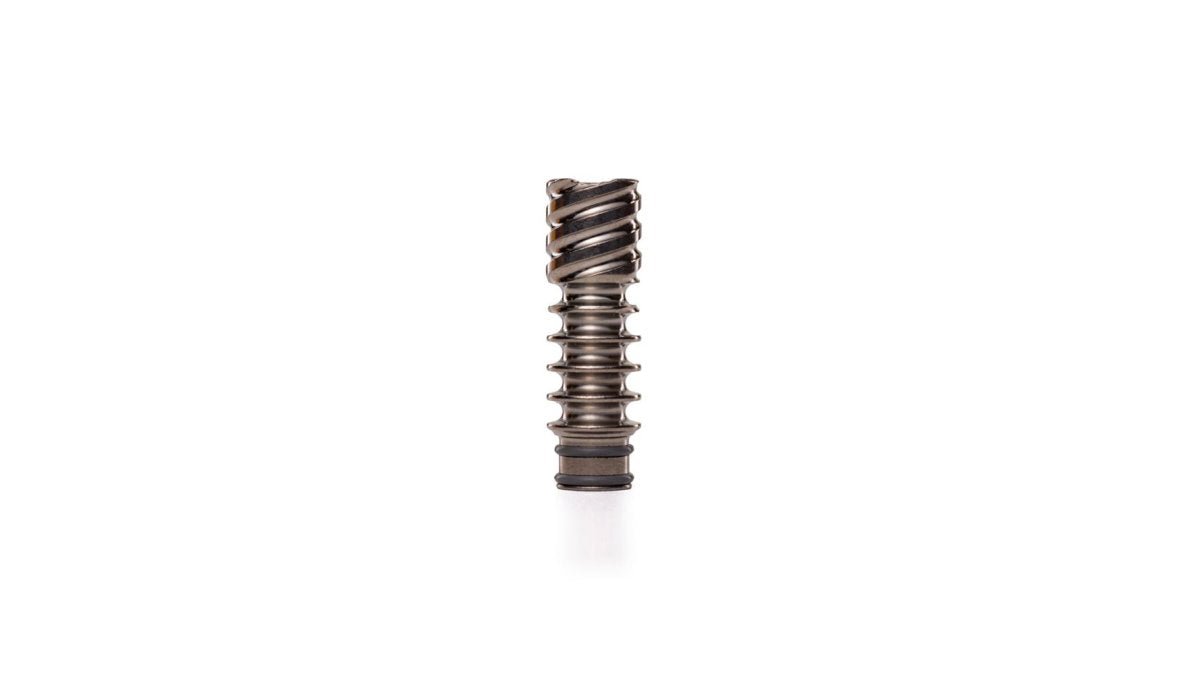
The M 7 Tip shows this well: its finless design puts more mass in the chamber and less in the stem, reducing heat transfer to the midsection by up to 20%. Titanium tips like the Helix take the opposite approach, using a triple-helix design that cuts mass while increasing surface area so the tip heats fast and cools rapidly.
Weight, Strength and Portability
Weight matters more outdoors than most people expect. Titanium is the lighter of the two, and the Helix Tip weighs just over 3 grams, making it one of DynaVap's lightest titanium tips. A lighter tip means less heat creeping into your stem and a device that sits comfortably in a pocket on a long walk.
Stainless steel is heavier, but it is tough and forgiving. The B2 Tip in medical-grade stainless steel is built for regular use and easy maintenance, which matters if your device lives in a rucksack. Both metals resist warping well; titanium has the edge on strength-to-weight, stainless steel on sheer heft and heat stability.
Feature |
Stainless Steel |
Titanium |
|---|---|---|
Heat retention |
High, holds heat longer |
Lower, cools faster |
Heat-up response |
Slower, steadier |
Fast and responsive |
Weight |
Heavier |
Lightweight |
Best for |
Slower, longer sessions |
Quick sessions, portability |
Example tip |
M 7, B2 |
Helix, Halo, 5-Fin |
Titanium vs Stainless Steel Vaporizer Tip: A Side-by-Side Comparison
A titanium vs stainless steel vaporizer tip comparison really comes down to how you session, but the materials themselves behave quite differently when they heat and cool. That matters outdoors, where your device may go from a cold pocket to a warm hand to a hot tip in minutes. Titanium's lower expansion means less stress on the tip and stem over time, which is one reason it feels so solid in changing conditions.
Here is how the current DynaVap lineup breaks down by metal:
- Stainless Steel Tip: B2 (£30.00): a straightforward 0.075g microdose-ready tip with a serrated, notched design for quick loading.
- Stainless Steel Tip: M 7 (£27.20): a finless, high-mass tip built for dense, consistent extraction and better heat retention.
- 5-Fin Titanium Tip (£43.00): five fins for heat distribution and three helical channels for airflow, with a scratch-resistant DuraDyn finish.
- Titanium Tip: Halo (£55.00): fast heat-ups and even distribution, with an adjustable chamber for full 0.1g or half-bowl microdosing.
- Titanium Tip: Helix (£67.00): DynaVap's most complex standard-size titanium tip, with a triple-helix design for flavour and airflow.
If you want to see a stainless steel tip in context, you can browse the B2 stainless steel tip and compare it against the titanium options before deciding. For a closer look at how the metals differ in the hand, the M 7 XL gives you the stainless steel experience in a longer format, while the HyperDyn shows what titanium can do in a bigger chamber.

Which Metal Performs Better Outdoors?
Titanium suits quick sessions outdoors, because it heats up fast. Stainless steel suits longer sessions when you do not mind a little extra weight. The honest answer: match the metal to the weather and the session length.
Wind, Ambient Temperature and Heat Loss
Wind can pull heat away from the tip, so on gusty or cold days a quick titanium session can be easier to manage. On a mild, still day, stainless steel's steadier heat suits a more relaxed session.
Ambient temperature also changes how each metal feels in the hand. A titanium tip cools quickly once you set it down, which is handy when you want to pocket the device and keep walking.
Thermal Expansion and Long-Term Oxidation
Oxidation is the other long-term story. Stainless steel relies on a chromium-rich oxide layer to resist corrosion, and that layer renews itself as long as the metal is not damaged. Titanium forms a very thin, very stable oxide film that is highly resistant to further change. In damp outdoor air, stainless steel can show surface discolouration if it is stored wet, while titanium tends to shrug off moisture. Neither metal is a safety worry when cared for, but titanium's stability is a nice bonus for gear that lives in a rucksack.
Allergy and Sensitivity Considerations
Some people are sensitive to nickel, which is present in many stainless steels. Titanium is generally considered more biocompatible and is often chosen by people who react to nickel-containing metals. If you have known metal sensitivities, titanium tips like the Helix or Halo are the safer bet. DynaVap's stainless steel tips are made from medical-grade alloys, but the nickel content is still there, so it is worth knowing your own skin before you choose. A quick test against your skin before a long trip can save you discomfort later.
Durability and Long-Term Oxidation
Both metals are built for regular use. DynaVap finishes its titanium tips with a DuraDyn treatment for scratch resistance, and the B2 Tip uses medical-grade stainless steel.
The Best Portable Dry Herb Vaporizer for Outdoor Use
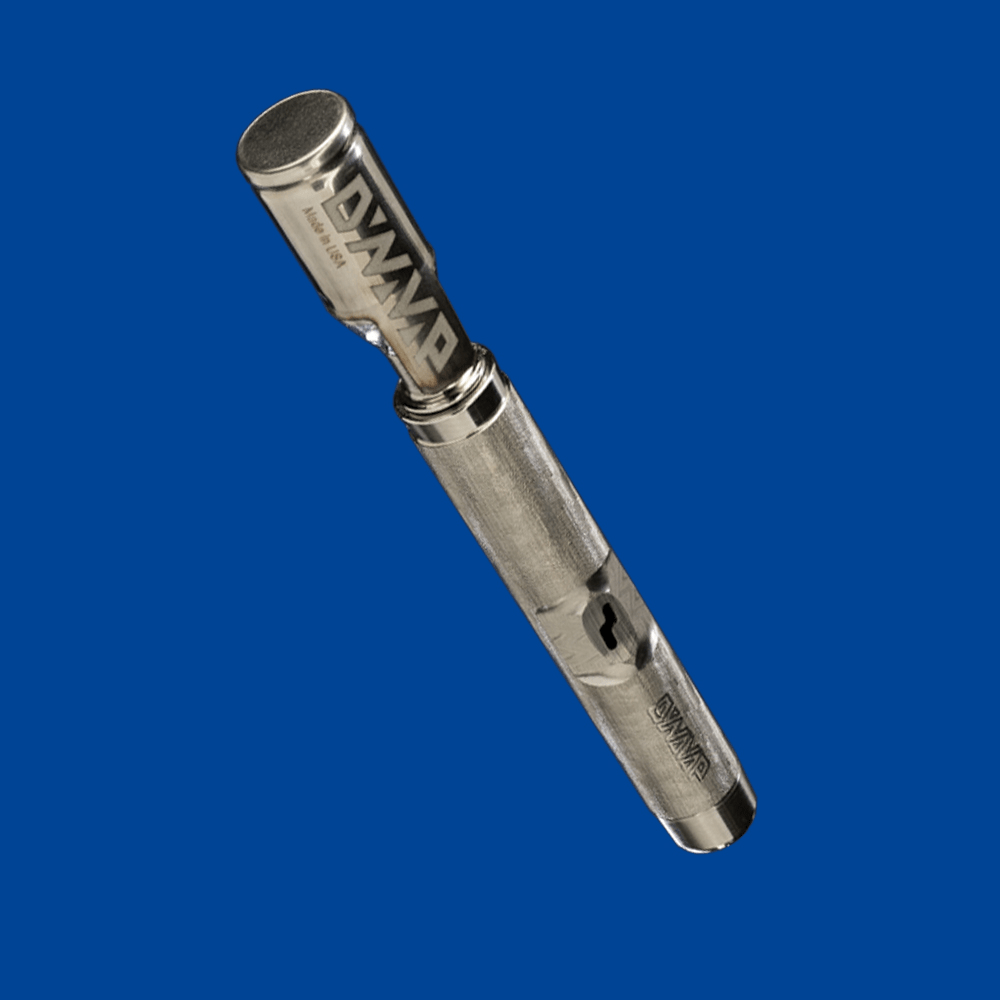
A DynaVap with a titanium tip is a strong choice for outdoor sessions. It is pocket-sized, battery-free and works wherever you can use a torch.
For outdoor portability, we would point you toward the titanium tips. The Halo Tip is designed to heat up fast and distribute heat evenly, with a lightweight multi-fin design. The Helix Tip, at just over 3 grams, is one of DynaVap's lightest titanium tips.
If you want to see the full range, you can browse portable vaporizers built for battery-free sessions.
DynaVap Torch vs Induction Heater: Which Suits Outdoor Sessions?
A torch needs no battery and works anywhere you have a flame, which makes it a convenient choice for outdoor sessions.
Torches are the classic outdoor choice: small, light and independent of any power source. The trade-off is that wind can disrupt the flame, so you learn to cup your hand or find shelter.
Induction heaters do use a battery, which is the key thing to plan for. On a short trip, a charged heater is convenient to use. On a multi-day hike with no charging, a torch is the safer bet. You can check out an induction heater with batteries if you prefer the consistency and do not mind planning your charging.
How to Clean a DynaVap Vaporizer After Outdoor Use
Cleaning after an outdoor session is simple: wipe the Cap down, never soak it. Outdoor sessions leave dust, grit and residue, so a quick clean keeps everything working smoothly.
- Let the device cool fully before handling.
- Wipe the Cap with a soft cloth or a lightly dampened wipe; never soak the Cap in water or solvent.
- Brush out the tip and chamber to clear loose residue.
- Check the O-rings and replace any that look worn.
- Store everything dry before your next trip.
For a fuller walkthrough, follow our guide on how to clean a vaporizer cap without water, which covers dry methods and compatible solvents step by step.
Picking Your Tip: Stainless Steel or Titanium?
Pick titanium if you session outdoors in wind or cold, want the lightest kit, or prefer quick on-demand draws. Pick stainless steel if you want longer, warmer sessions, a steadier heat, and a tip that shrugs off regular use. Both are durable, modular and built to last, so the choice is really about how you session.
For new users, the B2 and M 7 stainless steel tips are a friendly starting point. Returning customers upgrading an older device often move to the VonG X, WoodWynd or HyperDyn for a fresh feel. Whichever you choose, the modular design means you can swap metals later without replacing the whole device.
If you want to explore the titanium side, you can browse DynaVap titanium and see how each tip fits into a setup.
Frequently Asked Questions
Is titanium or stainless steel better for outdoor vaping?
It depends on how you session. Titanium tips like the Helix and Halo heat up and cool down quickly. Stainless steel tips such as the M 7 hold heat longer, which suits slower, fuller sessions.
What is the difference between stainless steel and titanium vaporizer tips?
The main differences are thermal mass, weight and heat transfer. Stainless steel is denser, so it stores more heat and takes longer to cool, which suits slower, fuller extractions. Titanium is lighter and heats and cools quickly. Both are durable metals, and DynaVap finishes its titanium tips with a scratch-resistant DuraDyn treatment for daily use.
Is a titanium vaporizer lighter than a stainless steel one?
Yes. Titanium is noticeably lighter for the same part. The Helix Titanium Tip weighs just over 3 grams, which makes a real difference when the device is in a jacket pocket or a pack on a long walk.
Can you use an induction heater outdoors?
You can, but remember that induction heaters use a battery, so their runtime is limited and cold weather drains cells faster. A torch needs no battery, so it does not depend on charging. If you use an induction heater outdoors, charge it fully beforehand.
Are stainless steel and titanium vaporizer parts easy to clean?
Let the device cool, then wipe the Cap down rather than soaking it, and brush out the tip and chamber to clear any buildup.
The metal you choose shapes every outdoor session, from how fast you are back in your pocket to how your device holds up season after season. At DynaVap, we build both stainless steel and titanium tips so you can match the metal to the moment. Our devices are battery-free, modular and pocket-sized, with a 90-day money-back guarantee and a 4.7/5 rating from 10,000+ reviews. Get started with DynaVap and find the tip that fits your next adventure.