
Table of Contents
- Why Buy Modular Dry Herb Vaporizers Online in 2026
- What Makes a Vaporizer Modular?
- Battery-Free vs Battery-Powered: Which Suits You?
- Induction Heater vs Torch for Vaporizers
- Customising Vaporizer Components: Tips for Every User
- How to Clean a Dry Herb Vaporizer Properly
- Top Modular Dry Herb Vaporizers to Buy Online
- Start Your Modular Journey Today
- Frequently Asked Questions
Last Updated: September 10, 2026
Why Buy Modular Dry Herb Vaporizers Online in 2026
Shopping for a modular dry herb vaporizers setup online has become the smartest route into combustion-free sessions. You get the full range of tips, stems, caps and accessories in one place, often with bundle pricing and a money-back guarantee you would never see on a market stall. At DynaVap, we've watched this shift closely: people want devices they can repair, upgrade and understand, not sealed units that die in a drawer.
A modular dry herb vaporizer is a device built from separate, swappable parts, such as a tip, cap, stem and mouthpiece, so you can replace or upgrade any single component instead of the whole unit.
That design matters because it changes how long a device lasts. When one part wears out, you swap it. When your preferences change, you adapt the same core device. The 5 sections below cover exactly how to choose, heat, customise and clean one, so you can buy with confidence rather than guesswork.
What Makes a Vaporizer Modular?
Modularity means the parts come apart and go back together by hand, with no soldering and no proprietary tools. A typical modular setup separates into four zones:
- Tip - holds the herb chamber and sits in the stem
- Cap - the click-based heat indicator that tells you when to stop heating
- Stem or body - the vapour path and the part you hold
- Mouthpiece - where vapour reaches you, often the easiest piece to swap
Because each zone is separate, a cracked stem does not write off the tip, and a worn cap does not mean a new device. That is the practical difference between modular and sealed.
Battery-Free vs Battery-Powered: Which Suits You?
Battery-free wins for anyone who travels, camps or simply forgets to charge things. A battery-free device uses an external heat source, so there is no lithium-ion battery to flatten mid-trip and no charging cable to pack.
Battery-powered devices offer convenience at home but introduce the classic failure points: charging cycles, cold-weather battery drain and eventual cell replacement. Battery-free designs sidestep all three.
The trade-off is honest: battery-free means carrying a heat source. If you want a device that works the same on day one and year five, and that you can pop in a pocket without a charging ritual, battery-free is the better fit. If you never leave a desk with a USB port, a battery unit is fine.
| Factor | Battery-Free | Battery-Powered |
|---|---|---|
| Heat source | Torch or induction heater | Internal battery |
| Charging needed | No | Yes, regularly |
| Cold-weather performance | Unaffected | Reduced |
| Lifespan | Years, parts replaceable | Limited by cell |
| Best for | Travel, camping, daily carry | Desk-bound use |
Induction Heater vs Torch for Vaporizers
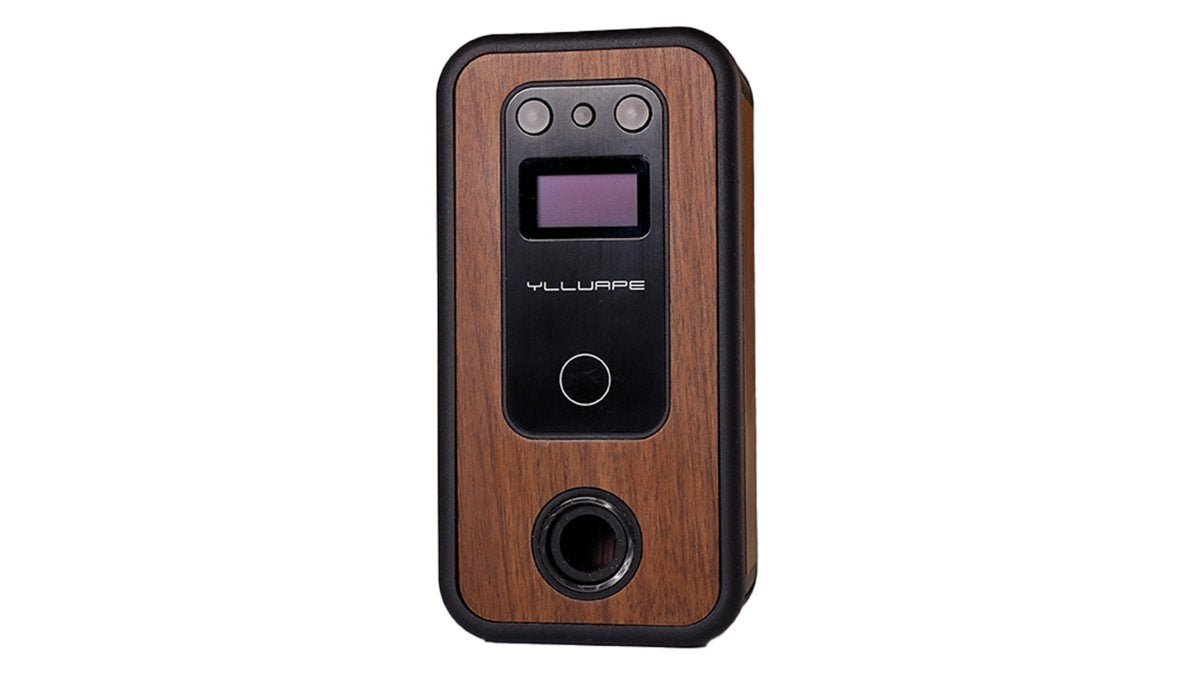
Both heating methods work, and the right pick comes down to where and how you use your device. A torch gives you full control and needs nothing but fuel. An induction heater gives you consistency and works well in wind or low light, though note that induction heaters do use a battery, so they need charging like any electronic accessory.
Torches suit outdoor use, cost less upfront and never run out of charge, only fuel. Induction heaters suit indoor sessions, shaky hands, or anyone who wants the same result every time without flame technique.
What most guides miss is that this is not a permanent choice. Many people start with a torch, then add an induction heater for indoor use and keep the torch for the trail. Because the device itself is modular, the heating method is just another accessory.
Torch basics that actually matter
A torch is the simplest heat source you can own. There is no battery to charge, no cable to pack and no firmware to think about. What matters is the flame and how you move it:
- Use a proper torch, not a soft flame. A kitchen lighter or candle flame will soot up the cap and heat unevenly.
- Aim at the cap, not the tip. The cap is the heat indicator, and the tip holds your herb. Heating the tip directly scorches the load.
- Keep the flame moving. A stationary flame creates a hot spot. A slow rotation spreads heat evenly around the cap.
- Respect the click. There is one click during heat up and one click during cool down. Stop at the first click, take your draw, then wait for the cool-down click before reheating.
- Refill before you travel. A half-empty torch is the most common reason a session stalls outdoors.
Induction heater basics that actually matter
An induction heater removes flame technique from the equation. You insert the device, wait for the click, and draw. That consistency is why many people keep one on a desk at home.
- It uses a battery. Unlike a torch, an induction heater needs charging, so treat it like any other electronic accessory and top it up between sessions.
- It is wind-proof and light-independent. Great for a balcony, a garage or a dim room where a flame is awkward.
- It is not a replacement for a torch, it is a companion. The two solve different problems.
How to choose between them
| Situation | Better fit | Why |
|---|---|---|
| Camping, hiking, festivals | Torch | No battery, no charging, works anywhere with fuel |
| Desk sessions at home | Induction heater | Consistent result, no flame technique needed |
| Shaky hands or low light | Induction heater | No aiming or rotating required |
| Long trips without power | Torch | Fuel is easier to carry than charge |
| Mixed indoor and outdoor use | Both | Torch for the trail, induction heater for home |
The modular point is the one most buyers miss. Because the device is built from swappable parts, you are not choosing a heating method for life. You are choosing one for now, and you can add the other later without replacing the device itself.
Customising Vaporizer Components: Tips for Every User
Customising is where modular devices earn their keep. You are not locked into one configuration, and small changes shift the whole experience.
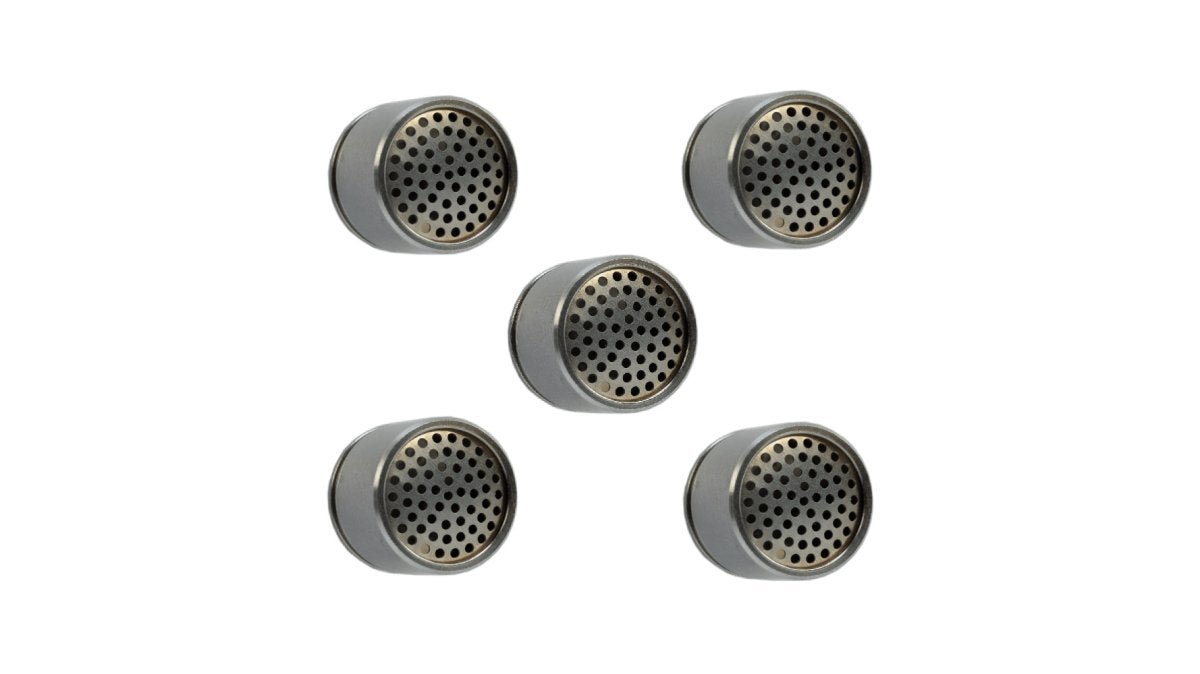
- Swap the tip for a different chamber size. The standard tip on most devices is a regular size in the 0.1g range, which suits micro-dosing and everyday sessions.
- Change the stem for length and cooling. A longer stem gives vapour more distance to travel, which feels smoother.
- Try a different mouthpiece to change draw resistance and feel.
- Add a water piece adapter if you want to run your device through glass.
New users should keep it simple: learn the device as it arrives, then change one part at a time so you can feel what each component actually does. Returning users who already know their preference can jump straight to a larger chamber or a titanium build.
How to Clean a Dry Herb Vaporizer Properly
Cleaning a dry herb vaporizer comes down to one rule: clean the parts that collect residue, and never soak the cap. The cap contains the click disc, and soaking it can trap moisture and damage the mechanism. Wipe the cap down only.
Modular devices make this easier than sealed ones. Because the tip, stem and mouthpiece come apart by hand, you can clean each zone on its own schedule instead of wrestling with a single sealed body. A stem that tastes dull gets cleaned without touching the tip. A chamber that is running hot gets scrubbed without dismantling the whole device.
A part-by-part routine
- Let the device cool fully before disassembly.
- Take the tip, stem and mouthpiece apart.
- Soak the metal and glass parts in isopropyl alcohol for around 30 minutes.
- Scrub the chamber with a pipe cleaner or cotton bud.
- Rinse thoroughly and let everything dry completely.
- Wipe the cap with a cloth, never submerge it.
- Reassemble and do a dry heat cycle before your next session.
What each part actually needs
| Part | What collects | How to clean it |
|---|---|---|
| Tip / chamber | Resin and plant residue | Soak in isopropyl alcohol, scrub with a pipe cleaner |
| Stem | Condensed vapour, flavour carry-over | Soak in isopropyl alcohol, rinse and dry fully |
| Mouthpiece | Residue and lip contact | Soak or wipe, depending on material |
| Cap | Minimal surface residue | Wipe down only, never soak |
How often to clean
Clean every week or two with regular use. A clogged vapour path reduces airflow and dulls flavour long before the device actually stops working. If you notice a tighter draw or a flatter taste, that is your cue, not a schedule.
Common cleaning mistakes
- Soaking the cap. The click disc can retain moisture and stop clicking correctly, which leaves you guessing when to stop heating.
- Reassembling while damp. Trapped moisture affects flavour and can encourage residue build-up.
- Skipping the dry heat cycle. A quick dry cycle after reassembly burns off any lingering moisture before your next session.
- Using harsh abrasives on the chamber. A pipe cleaner or cotton bud is enough; abrasives scratch the surface and make future cleaning harder.
Top Modular Dry Herb Vaporizers to Buy Online
The best modular devices are the ones built around parts you can actually buy, replace and upgrade. Here is how the range breaks down for new and returning users.

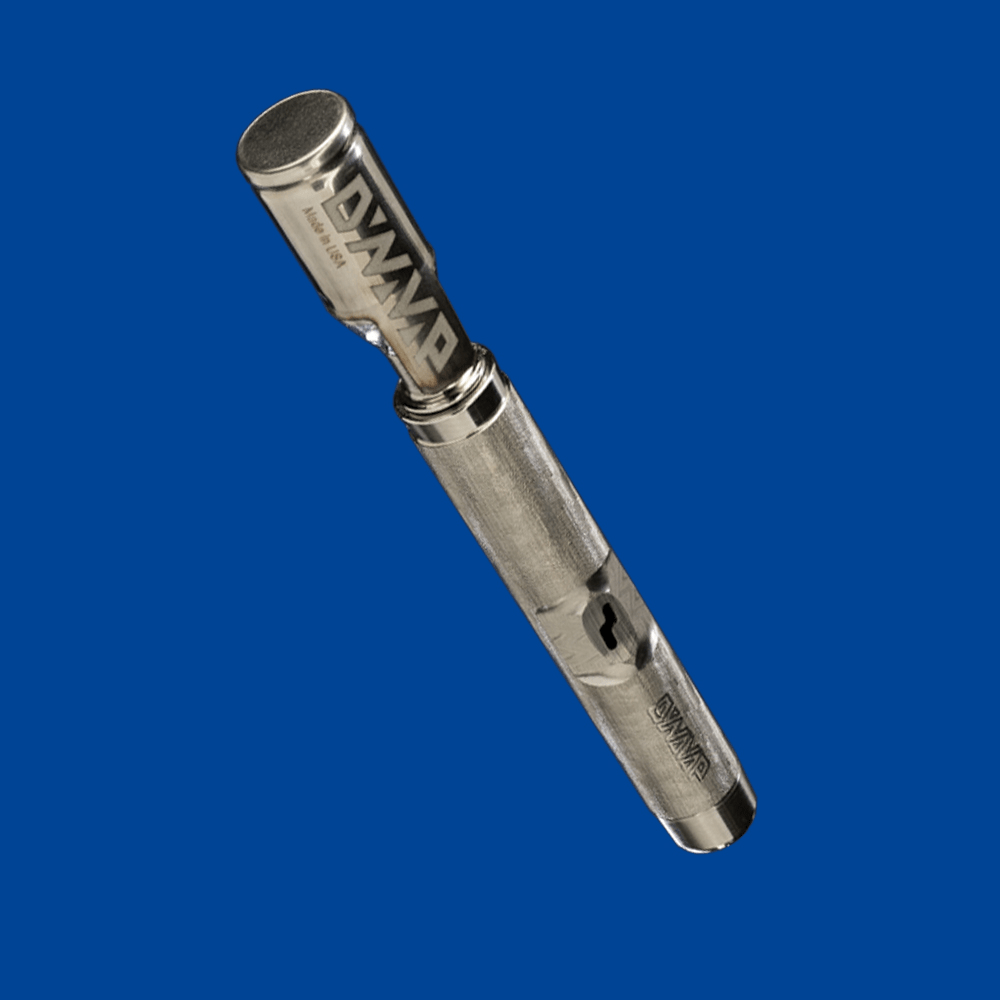
For new users, the M 7 and M 7 XL are the natural starting points. Both are stainless steel, battery-free and built for daily carry, with the XL adding extra length for cooler vapour. The M 7 is available at £99.00 and the M 7 XL at £119.00.

For returning users, the VonG X and WoodWynd suit anyone who wants to run their device through glass or prefers a warmer, more tactile body. The HyperDyn is the big-bowl option, with a chamber averaging 0.25g and a titanium build, priced at £249.00.
| Device | Best For | Chamber | Battery |
|---|---|---|---|
| M 7 | New users, daily carry | Standard 0.1g | None |
| M 7 XL | New users wanting cooler vapour | Standard 0.1g | None |
| VonG X | Glass and water piece users | Standard 0.1g | None |
| WoodWynd | Warm feel, returning users | Standard 0.1g | None |
| HyperDyn | Big-bowl sessions | 0.25g | None |
DynaVap devices are rated 4.7/5 from over 10,000 reviews, and buyers tend to say the same thing. As one verified customer put it, it "looks the beauty but acts like a beast."
Start Your Modular Journey Today
Choosing a modular device is really a decision about how long you want your kit to last and how much control you want over it. The learning curve is shorter than it looks, and every part you can swap is a part you never have to replace wholesale.
DynaVap builds battery-free, combustion-free devices with a modular design, durable stainless steel and titanium construction, and a 90-day money-back guarantee, so you can try one without risk. Get started with DynaVap and find the setup that fits how you actually use it.
Frequently Asked Questions
What are the benefits of a modular dry herb vaporizer?
Modular dry herb vaporizers let you swap parts like tips, caps, and stems to suit your session. You get better control over airflow and flavour, plus easier cleaning. Battery-free models from DynaVap mean no charging worries. They are durable, often made from stainless steel or titanium, and can save material because you use less per session. Many users find they stretch their stash up to three times further compared to smoking.
How do I customise my DynaVap device?
Customising is simple. You can change the tip, cap, stem, and mouthpiece to alter airflow, vapour coolness, and look. For example, adding a wooden stem changes the feel, while a titanium tip heats faster. Most parts are interchangeable across models, so you can experiment. Start with a new mouthpiece or an XL stem, then try different caps. It is a fun way to personalise your device without buying a whole new unit.
Are battery-free vaporizers better for long-term use?
Battery-free vaporizers like DynaVap have fewer parts that wear out, so they often last longer. There is no battery to degrade, and the stainless steel or titanium build handles drops well. You heat with a torch or induction heater, so you are never stuck waiting for a charge. For travellers and outdoor users, this reliability is a big plus. With basic cleaning, a DynaVap can serve you for years.
What is the difference between a torch and an induction heater?
A torch gives you manual control and works anywhere without power. You aim the flame at the cap and wait for the click. An induction heater uses a battery to heat the cap electronically, offering consistent results with less technique. It is easier for beginners and works well indoors. Both are valid; many users own both. Torches are more portable, while induction heaters add convenience at home.