
Table of Contents
- Manual vs Electric Dry Herb Vaporizers: The Core Differences
- Quick Comparison: Manual vs Electric Vaporizers
- Manual Vaporizers: The Case for Battery-Free Freedom
- Electric Vaporizers: Convenience and Consistency
- Induction Heater vs Torch Lighter: Choosing Your Heat Source
- How to Avoid Scorching Dry Herbs with a Manual Device
- Dry Herb Vaporizer Maintenance Guide: Keeping Your Device Pristine
- Which Should You Pick? A Decision Framework
- Frequently Asked Questions
Last Updated: September 4, 2026
Manual vs Electric Dry Herb Vaporizers: The Core Differences
The debate between manual vs electric dry herb vaporizers comes down to one central question: do you want total control with zero dependency on batteries, or do you prefer set-and-forget consistency at the push of a button? At DynaVap, we have spent years perfecting the manual approach, and we believe it offers a purer, more engaging experience for most users. The choice shapes everything from your daily ritual to your long-term costs, so it is worth getting right before you spend any money.
Manual devices use thermal extraction, where you apply heat from an external source until an internal mechanism signals the optimal moment. Electric units rely on an internal heating element powered by a lithium-ion battery. This fundamental difference drives every other comparison you will read below.
How Each Type Heats Your Herb
Electric vaporizers typically use either conduction heating, where the chamber walls directly touch the herb, or convection heating, which passes hot air through the material. They maintain a set temperature through a digital control loop, which is excellent for consistency but can sometimes produce a drier, less nuanced vapour.
Manual devices like those from DynaVap rely on precision heating from a butane torch or an induction heater. You control the heat-up time and where you apply the flame, which directly influences the flavour profile and vapour density. Many enthusiasts find this hands-on method delivers a fuller expression of the herb's terpenes, as you can stop heating the moment you hear the cap click, avoiding unnecessary degradation of the material.
Portability and Reliability in the Field
An electric vaporizer is only as good as its charge. If you are hiking or camping for a weekend, a dead lithium-ion battery turns your device into a paperweight. You then need to find a power source, which is not always practical.
Manual vaporizers are battery-free. You only need a heat source, and a simple refillable butane torch weighs almost nothing and takes seconds to refill. This makes a manual device exceptionally reliable in the field. You are trading the convenience of a button for the freedom of never worrying about charging, which for many outdoor enthusiasts is a decisive advantage. The stainless steel construction of a device like the M 7 XL also shrugs off drops and knocks that would crack a circuit board.

Quick Comparison: Manual vs Electric Vaporizers
To see the trade-offs at a glance, here is a summary of how the two approaches compare across the factors that matter most to buyers.
Factor |
Manual Vaporizer |
Electric Vaporizer |
|---|---|---|
Heat Source |
Butane torch or induction heater |
Internal battery-powered element |
Portability |
Unlimited, no charging needed |
Limited by battery life |
Heat Control |
User-controlled, click indicator |
Digital, set temperature |
Flavour |
Excellent, user-dependent |
Good, consistent |
Durability |
High, no electronics |
Variable, electronics can fail |
Maintenance |
Simple, wipe-down care |
Deeper cleaning of parts |
Long-Term Cost |
Lower, no battery replacement |
Higher, battery degrades |
Best For |
Ritual, control, outdoor use |
Convenience, consistency |
Manual Vaporizers: The Case for Battery-Free Freedom
Choosing a manual vaporizer means embracing a more deliberate session. There is no screen to read and no menu to scroll; there is just you, your herb, and a heat source. This simplicity is the core of its appeal. You are not fighting a piece of software to get the hit you want; you are learning a skill that rewards attention with exceptional vapour.

Precision Heating and Flavor
The signature feature of a DynaVap manual device is the click. The Captive Cap is engineered to produce an audible click when the tip reaches the optimal vapourisation temperature. This gives you a precise, repeatable signal without needing to monitor a digital readout. You heat until you hear the click, then you inhale.
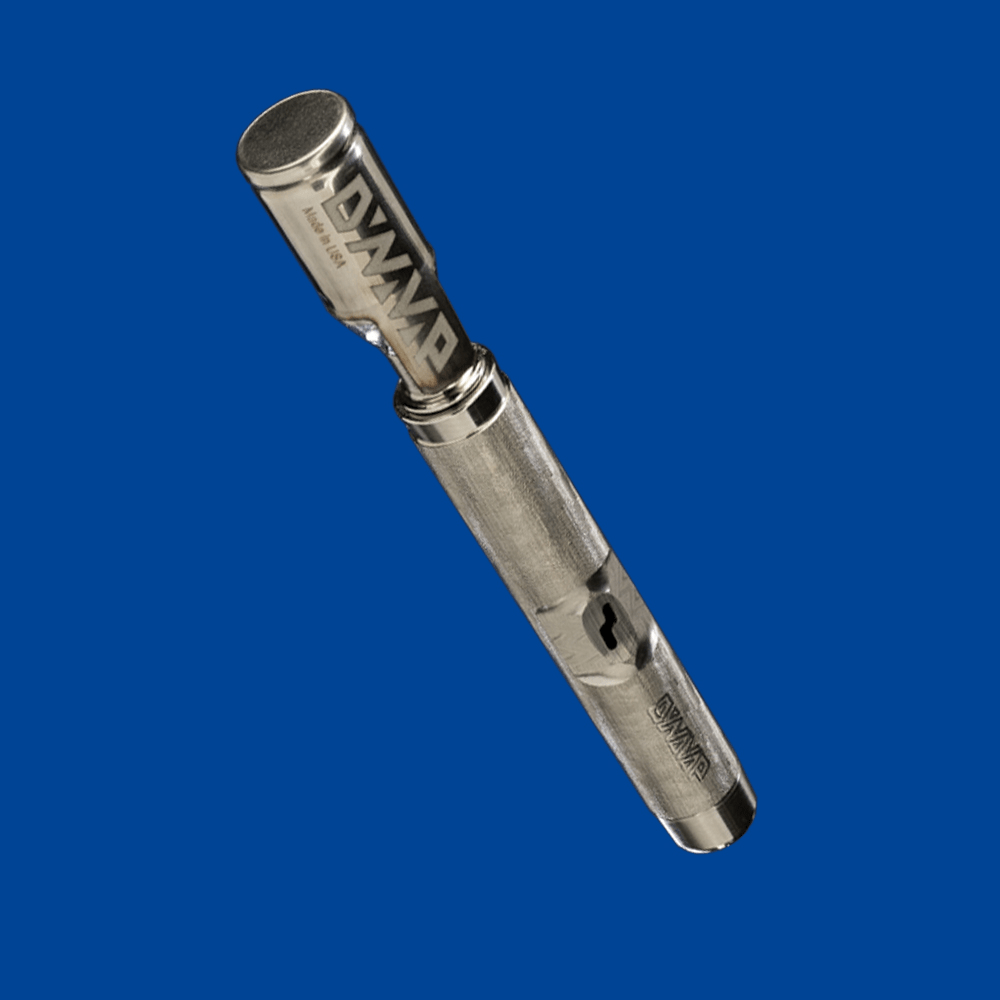
This method allows you to fine-tune your experience. Heat higher on the Cap for a lighter, more flavourful hit, or heat closer to the bottom of the Cap for a denser, more strong extraction. The M 7 XL, with its finless tip design, offers up to a 20% reduction in heat transfer from tip to stem, keeping your fingers cooler during extended sessions. The result is a flavour profile that many users find superior to electric conduction units, which can sometimes overheat the outer layer of the herb before the centre is fully extracted.
Durability and Long-Term Cost
A manual vaporizer is essentially a precision piece of metal. The M 7 XL is made from stainless steel, meaning there are no fragile electronics, no screens to crack, and no internal wiring to short out. This construction leads to a significantly longer lifespan than most electric devices, which typically rely on batteries that degrade after a few hundred charge cycles.
The long-term cost of ownership is lower with a manual device. You will eventually need to replace a butane torch, which costs a few pounds, but you will not face the expense of replacing a built-in lithium-ion battery or a failed heating element. DynaVap backs its devices with a 90-day money-back guarantee, allowing you to test the experience risk-free. For a budget-minded user, this durability means the initial purchase price is spread over many more years of reliable use.
Electric Vaporizers: Convenience and Consistency
Electric vaporizers are undeniably easy to use. You load the chamber, set your desired temperature, and wait for the device to heat up. The learning curve is nearly flat, making them a popular choice for beginners who want a predictable session without thinking about technique. They offer a consistent experience every time, which has a clear appeal.
Battery Life and Charging
The main practical drawback of an electric device is its dependency on the battery. Most units offer anywhere from one to two hours of use per charge, which can be fine for a day out but becomes a concern on longer trips. Recharging requires access to a power outlet or a portable power bank, adding weight to your kit. The charging time itself can be an hour or more, interrupting the flow of a session.
Environmental Impact of Battery Disposal
There is an often-overlooked environmental cost to electric vaporizers. Lithium-ion batteries have a finite lifespan and eventually need replacing. Disposing of them improperly contributes to electronic waste, and while recycling schemes exist, many users simply throw old devices away. Over a decade of use, a single electric vaporizer user might dispose of several batteries, whereas a manual device requires no battery replacement at all. This makes the manual approach a more sustainable choice for the environmentally conscious consumer.
Induction Heater vs Torch Lighter: Choosing Your Heat Source
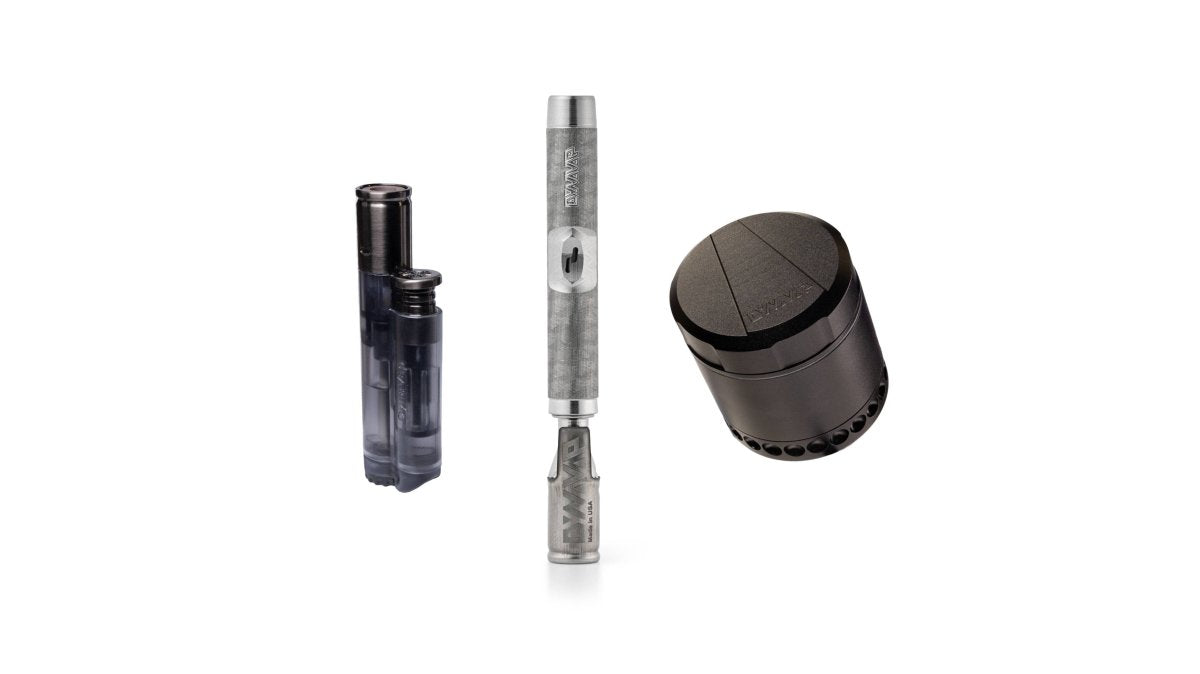
For owners of a manual vaporizer, the choice of heat source is the next big decision. You have two primary options: a butane torch or an induction heater. A torch lighter, such as the Honest Single Torch at £11.00, is affordable, portable, and wind-resistant, making it ideal for outdoor use. It requires a refillable butane supply and a steady hand to heat the cap evenly.

An induction heater, like the YLL 3.0 at £139.00, uses an electromagnetic field to heat the cap without a flame. It offers a more consistent heat-up time and removes the learning curve of spinning the device. The trade-off is that these units are battery-powered and require charging. The Wand with Adaptor at £149.00 offers similar convenience with a sleek design. For home use, the consistency of an induction heater is a genuine pleasure; for travel, the simplicity of a torch is hard to beat. Many users eventually own both, using the induction heater at home and a torch on the go.
How to Avoid Scorching Dry Herbs with a Manual Device
A common concern for new users is scorching their material. This happens when you apply too much heat on the same spot and don’t rotate the device during torch heating, pushing the herb past vapourisation into combustion. The key to avoiding this is respecting the click and rotating your device during torch heating. When you hear the cap click, stop heating immediately. The click is your signal that the tip has reached the correct temperature.
Another essential tip is to respect the cool-down click. After you inhale, the cap will click again when it has cooled below the vapourisation threshold. You must wait for this second click before reheating. If you ignore it and apply heat again, you risk overheating the tip and scorching your load. Heating technique also matters. Aim the flame at the middle of the cap rather than the very base, and rotate the device slowly to ensure even heating. With a little practice, you will find the sweet spot that delivers dense vapour without any risk of burning.
Dry Herb Vaporizer Maintenance Guide: Keeping Your Device Pristine
Proper maintenance keeps your device performing at its best and extends its lifespan. For a manual vaporizer like the M 7 XL, the routine is straightforward. After each session, once the device has cooled, you should brush out any loose herb from the tip chamber. A standard pipe cleaner can be used to wipe the inside of the condenser tube to remove any resin buildup.
For deeper cleaning, you can disassemble the device and wipe down the individual parts. A crucial warning: never soak the Cap in any liquid. The Cap contains the mechanical clicking discs, and soaking it can damage them permanently. The correct way to clean the Cap is to wipe it down with a soft, dry cloth or a cotton bud. This removes any external residue without risking damage to the internal mechanism. Regular maintenance is quick and keeps your device tasting fresh, ensuring every session is as good as the first.
Which Should You Pick? A Decision Framework
If you are trying to decide between a manual and an electric device, consider your lifestyle and priorities. The following framework can help you make the right call.
- Choose a manual vaporizer if you value durability, enjoy a hands-on ritual, want unlimited portability for outdoor trips, or want to minimise your long-term costs and environmental impact. The DynaVap M 7 XL is an excellent starting point for new customers.
- Choose an electric vaporizer if you prioritise absolute convenience, want a minimal learning curve, and are happy to manage battery charging as part of your routine.
For those coming from smoking, a manual device often provides a more satisfying ritual that mimics the tactile experience of packing and lighting a bowl. For those who simply want the fastest path from herb to vapour, an electric unit is a solid choice.
Choosing between manual and electric dry herb vaporizers is a personal decision shaped by how and where you vape. If you value freedom from charging cables, a durable build that lasts for years, and a more connected, controlled session, a DynaVap manual vaporizer is the better fit. Our devices use precise thermal extraction to deliver a cleaner, combustion-free experience, and our modular stainless steel designs are built to be your daily companion. Explore the M 7 XL or the versatile VonG range to find the device that suits your style. Get started with DynaVap and discover the difference a truly portable, battery-free vaporizer makes.
Frequently Asked Questions
What is the main difference between manual and electric dry herb vaporizers?
The core difference is the heat source. Manual vaporizers, like the DynaVap M 7 XL, use an external heat source such as a butane torch or induction heater. You control the heating process. Electric vaporizers have a built-in battery-powered heating element, so you set a temperature and press a button. This makes electric models more automated, while manual devices offer more direct control and never run out of battery.
Are manual vaporizers more efficient than electric ones?
Yes, many users find manual vaporizers more efficient. With precise heating, you can fully extract the active compounds from your dry herbs in fewer, more potent hits. The DynaVap's click-based indicator helps you find the sweet spot, allowing your material to last longer. Electric devices can be efficient too, but they often require larger bowls and longer sessions to achieve the same level of extraction, meaning you may use more herb over time.
Do I need an induction heater for a manual vaporizer?
No, an induction heater is an optional accessory. A simple butane torch lighter is all you need to heat a manual vaporizer. However, an induction heater, like The Wand, offers a hands-free, flameless heating experience that is consistent and works well outdoors in windy conditions. It removes the learning curve of spinning the device with a torch. It is a matter of preference and convenience, not a requirement.
How do I avoid scorching my dry herbs when using a manual device?
The key is to respect the click. Heat the cap of your manual vaporizer with a torch until it makes a distinct clicking sound, then stop immediately. This indicates the optimal temperature for vaporisation. If you heat past the click, you risk combustion. Also, aim the flame at the middle or lower part of the cap for a slower, more flavorful heat-up, which helps prevent hot spots and scorching.
Which type of vaporizer is better for beginners?
Electric vaporizers are generally easier for beginners because they automate temperature control. However, manual devices with a clear click indicator, like the DynaVap M 7 XL, have a short learning curve and offer a more ritualistic experience. They are also more forgiving on the wallet long-term, with no batteries to replace. For many, the choice comes down to whether you prefer a simple button press or a hands-on approach.
Are manual vaporizers more durable than electric models?
Typically, yes. A manual vaporizer is essentially a machined piece of metal, like stainless steel or titanium, with no fragile electronics, screens, or internal wiring to fail. This makes them virtually indestructible and ideal for travel. Electric vaporizers have a limited lifespan due to their batteries and heating elements, which will eventually degrade and require replacement. A manual device can last a lifetime with proper care.