
Last Updated: November 20, 2026
Quick Summary
Yes, you can use dry herb vapes for aromatherapy blends, as long as you load them with dried, finely ground botanicals such as lavender, chamomile or peppermint. Keep essential oils out of the chamber, because they leak, damage the O-rings and leave hard-to-clean residue.
- Use genuinely dry, clean, finely ground herbs so they heat evenly and airflow stays good.
- Lavender, chamomile, peppermint, eucalyptus, lemon balm and hibiscus are popular choices for blends.
- Never put essential oils in a dry herb vaporiser; use a diffuser for oils instead.
- Start with a small amount and stop if you cough, feel dizzy or notice discomfort.
- Wipe the Cap with a wipe instead of soaking it, and empty the chamber after every session.
Table of Contents
- What Aromatherapy Vaporisation Means in a Dry Herb Vaporiser
- Herbs You Can Vaporise Besides Cannabis
- Essential Oils in a Dry Herb Vaporiser: Why They Do Not Mix
- How to Use a Dry Herb Vaporiser for Your Aromatherapy Blend
- Safety, Device Materials and When to Speak to a Doctor
- Dry Herb Vaporiser Cleaning After Botanical Sessions
- Choose Your DynaVap for Your Next Botanical Session
- Frequently Asked Questions
What Aromatherapy Vaporisation Means in a Dry Herb Vaporiser
Aromatherapy vaporisation is the practice of heating dried plant material so its aromatic compounds release as vapour. A dry herb vaporiser does this without burning the material, which is why many people find it smoother than a joint or pipe, and why dry herb vapes have become a popular way to enjoy botanicals.
The key difference from a diffuser is the source. A diffuser works with liquid essential oils. A dry herb vaporiser works with ground, dried botanicals placed in a chamber.
- Dried botanicals: plant material such as lavender buds or chamomile flowers
- Essential oils: concentrated liquid extracts, not suited to a dry chamber
- Vapour: the aromatic cloud you inhale from the mouthpiece
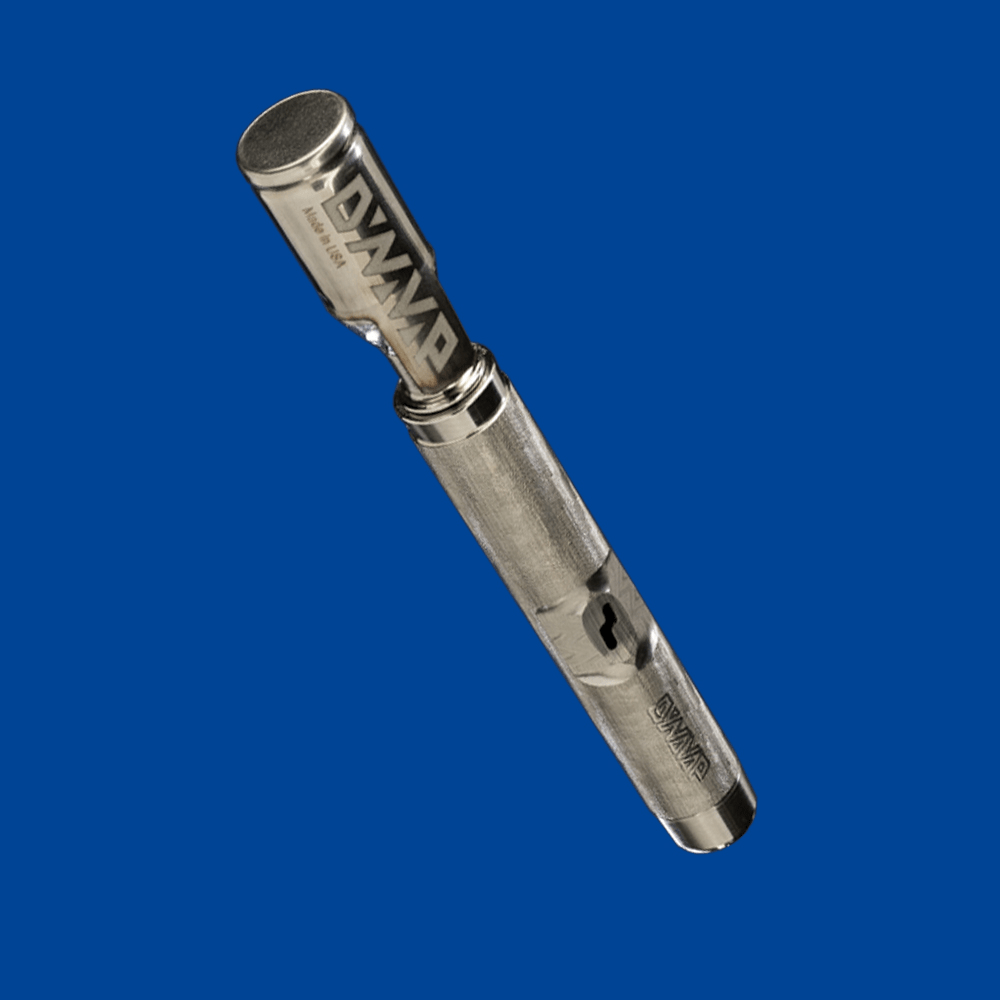
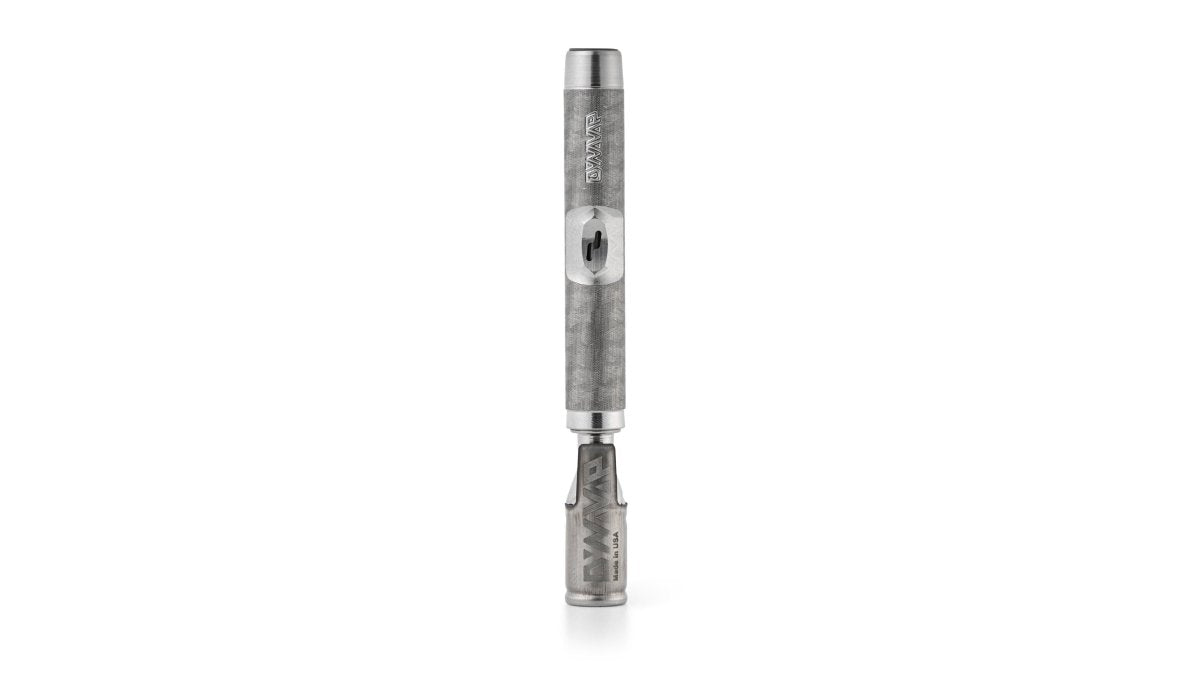
With a DynaVap, you load the Tip chamber, heat the Cap with a torch or induction heater, and inhale when the Cap clicks. You do not need a battery, which keeps the setup simple on the go.
Herbs You Can Vaporise Besides Cannabis
Many common herbs work in a dry herb vaporiser. Lavender, chamomile, peppermint, eucalyptus, lemon balm and hibiscus are popular choices, and blue lotus turns up in herbal blends too. The trick is picking material that is genuinely dry, clean and finely ground, because moist or sticky herbs clog the chamber and give poor vapour.
- Lavender: floral and calming in aromatherapy blends
- Chamomile: mild, soft flavour
- Peppermint: cooling and crisp
- Eucalyptus: strong, clearing aroma
- Lemon balm: gentle, citrus-leaning
- Hibiscus: tart and fruity
Preparing Herbs Before They Go in the Chamber
Start with material that feels dry and papery, not spongy. If it is damp, spread it out and let it air dry fully before use, dryness helps the herb heat evenly and release its aroma, which matters for anyone using dry herb vapes regularly. Grind finely but not to a powder, and discard stems or woody bits that will not vaporise well. Blend in small batches so you can adjust the ratio without wasting material.
Screening Before You Inhale
Inhaling any heated plant material carries some risk. Before you try a new herb, consider a few practical checks:
- Allergies: if you react to a plant in food or on skin, do not inhale it
- Asthma or breathing conditions: speak to a doctor before using any vaporiser
- Pregnancy and breastfeeding: check with a healthcare professional first
- Medication: some herbs may interact, so ask a pharmacist or doctor if you are unsure
- Children and pets: keep herbs and devices well out of reach
If you have any health concern, speak to a qualified healthcare professional. Herbs are not a substitute for medical advice.
Traditional Use Versus Evidence
A sensible approach is to try one herb at a time, start with a small amount, and stop if you cough, feel dizzy or notice any discomfort.
Always check that any herb you buy is legal where you live and sold for its intended use. A dry herb vaporiser is designed for dried botanicals, keep essential oils out of the chamber, as covered below.
Essential Oils in a Dry Herb Vaporiser: Why They Do Not Mix
Do not put essential oils in a dry herb vaporiser. Oils are liquid, so they can leak through the chamber, damage the O-rings and leave residue that is hard to clean. Oil also does not heat in the same way dry material does.
Dry herb blends and essential oils are different products. Keep them separate. Use a diffuser or inhaler for oils, and a dry herb vaporiser for dried botanicals.
How to Use a Dry Herb Vaporiser for Your Aromatherapy Blend
Here is a focused, cannabis-free walkthrough from dry herb to clean device. The process is the same for most botanicals, and a DynaVap keeps it simple because there is no battery in the device itself, you heat the Cap with a torch or an induction heater.
Step 1: Prepare Your Blend
Start with dry herbs. If the material feels damp or spongy, let it air dry fully before use. Grind finely but not to a powder, a fine, even grind gives better airflow and a more consistent session. Use a clean grinder reserved for herbs, discard stems or woody bits, and blend in small batches so you can tweak the ratio.
Step 2: Load the Chamber
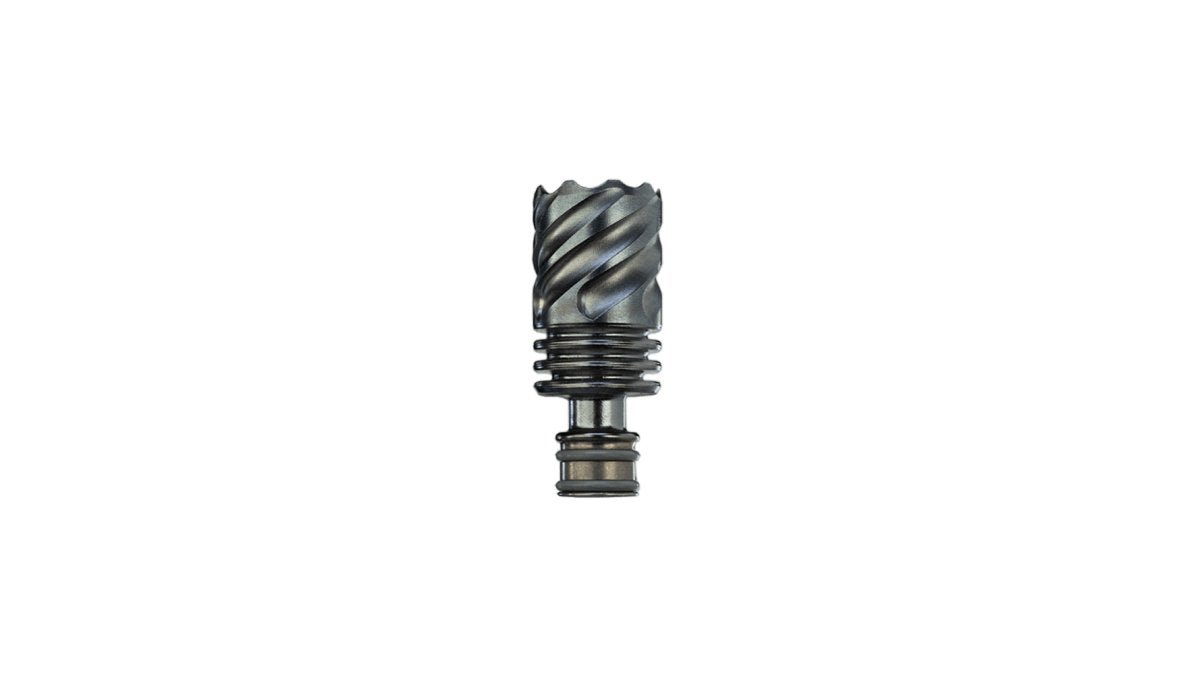
Remove the Cap and load the ground herbs into the Tip chamber. The standard Tip on most devices is a regular size in the 0.1g range, so a small pinch is plenty. Pack lightly, overpacking blocks airflow and makes the session harder to draw. Place the Cap back on the Tip.
Step 3: Heat and Inhale
Heat the Cap with a butane torch or an induction heater. Induction heaters use a battery, so charge yours before you head out. The Cap will click once when it reaches the right point. Then inhale slowly from the mouthpiece.
Watch out: do not keep heating after the click. Stop, let the device cool, and avoid burning the herbs. Once the Cap clicks again to signal it has cooled, your session is finished.
Step 4: Clean Up After a Botanical Session
Empty the chamber while it is still warm but not hot, then wipe the Tip and stem and clear any residue from the screen. Never soak the Cap, wipe it down with a dry or lightly dampened cloth or a cleaning wipe instead. Soaking can damage the components and the seals. Let the parts dry before reassembling, and store the device in its tin case once fully dry.
- Empty the chamber after every session
- Wipe the Cap with a wipe, do not soak it
- Clean the screen and mouthpiece regularly
- Store the device in its tin case once fully dry
Device Compatibility and Material Safety
A dry herb vaporiser is built for dried botanicals, not liquids. Do not put essential oils in the chamber, oils can leak through, damage the O-rings and leave residue that is hard to clean. Check the materials for each device you buy: DynaVap tips and stems are made from stainless steel, and the B uses a food-grade silicone stem. Follow the manufacturer's instructions rather than improvising.
For a full cleaning walkthrough, read our guide on how to clean a Dynavap vaporizer and how to clean a vaporizer cap without water.
Here is a quick overview of the four steps for vaporising a dry herb blend, from preparation to cleaning.
| Step | What to do | Time or frequency |
|---|---|---|
| Prepare your blend | Air dry herbs fully, grind finely, discard stems | Small batches |
| Load the chamber | Load ground herbs into the Tip, pack lightly | A small pinch (0.1g range) |
| Heat and inhale | Heat the Cap until it clicks, then inhale slowly | One click to heat, one to cool |
| Clean up | Empty chamber, wipe Cap with a wipe, do not soak | After every session |
Safety, Device Materials and When to Speak to a Doctor
Safety comes first. Start with a small amount and see how you feel. Stop if you cough, feel dizzy or notice any discomfort.
Check the materials for each device you buy.
- Do not use the device if you have asthma or a breathing condition without checking with your doctor first
- Speak to a doctor before using aromatic herbs if you are pregnant, breastfeeding or taking medication
- Keep herbs away from children and pets
If you have any health concern, speak to a qualified healthcare professional. Herbs are not a substitute for medical advice.
Dry Herb Vaporiser Cleaning After Botanical Sessions
Clean your device after each session to keep the flavour clean and the airflow smooth. Never soak the Cap. Wipe it down with a dry or lightly dampened cloth or a cleaning wipe instead. Soaking can damage the components and the seals.
Empty the chamber, wipe the Tip and stem, and clear any residue from the screen. Let the parts dry before reassembling.
- Empty the chamber after every session
- Wipe the Cap with a wipe, do not soak it
- Clean the screen and mouthpiece regularly
- Store the device in its tin case once fully dry
Regular cleaning keeps your next session tasting fresh. For a full walkthrough, read our guide on how to clean a Dynavap vaporizer. For a full walkthrough, read our guide on how to clean a Dynavap vaporizer and how to clean a vaporizer cap without water.
Choose Your DynaVap for Your Next Botanical Session
Pick the device that suits how you plan to use it. The M 7 is an entry-level choice at £99.00 and a good fit for new users. If you want a larger chamber for bigger sessions, the M 7 XL at £119.00 gives you more room.
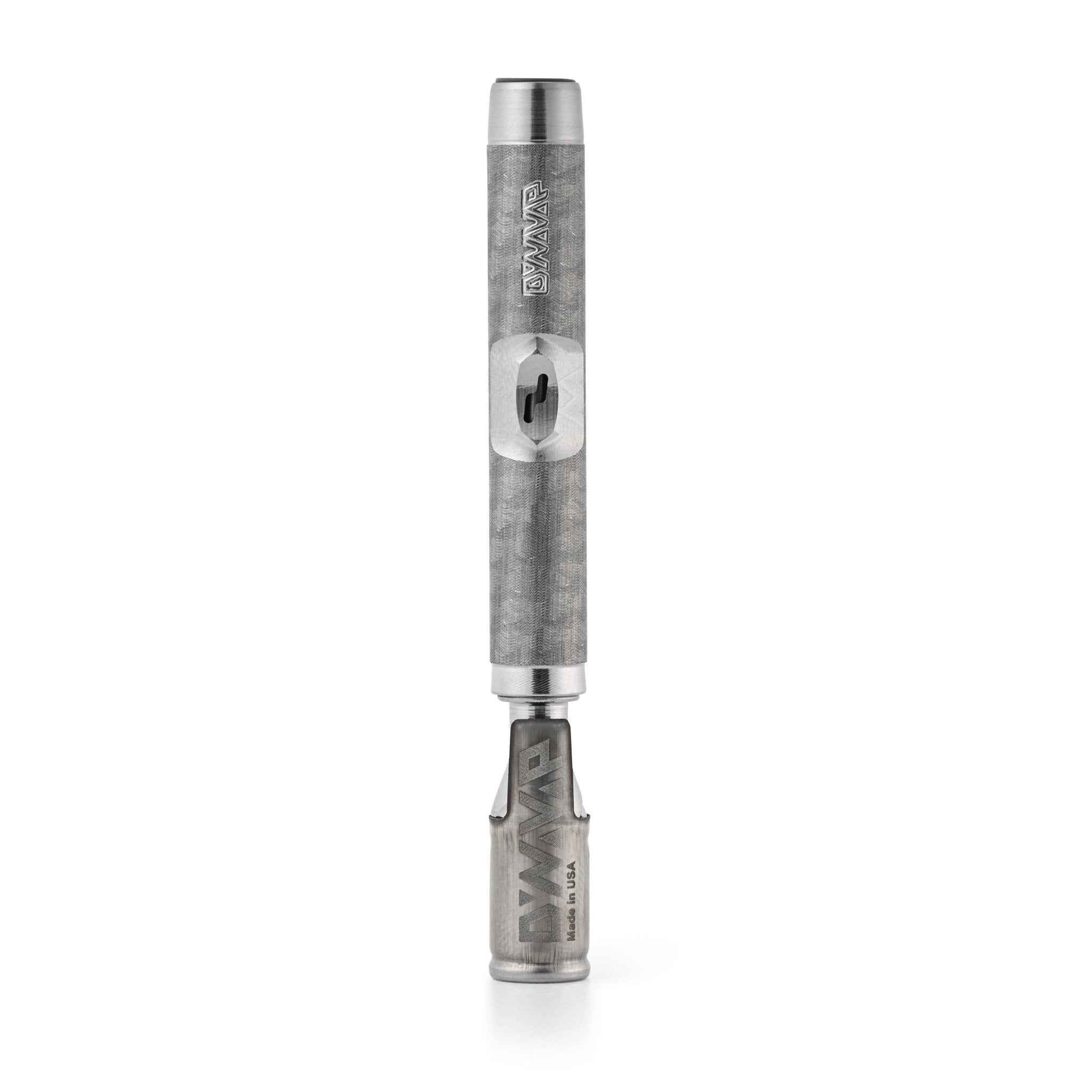
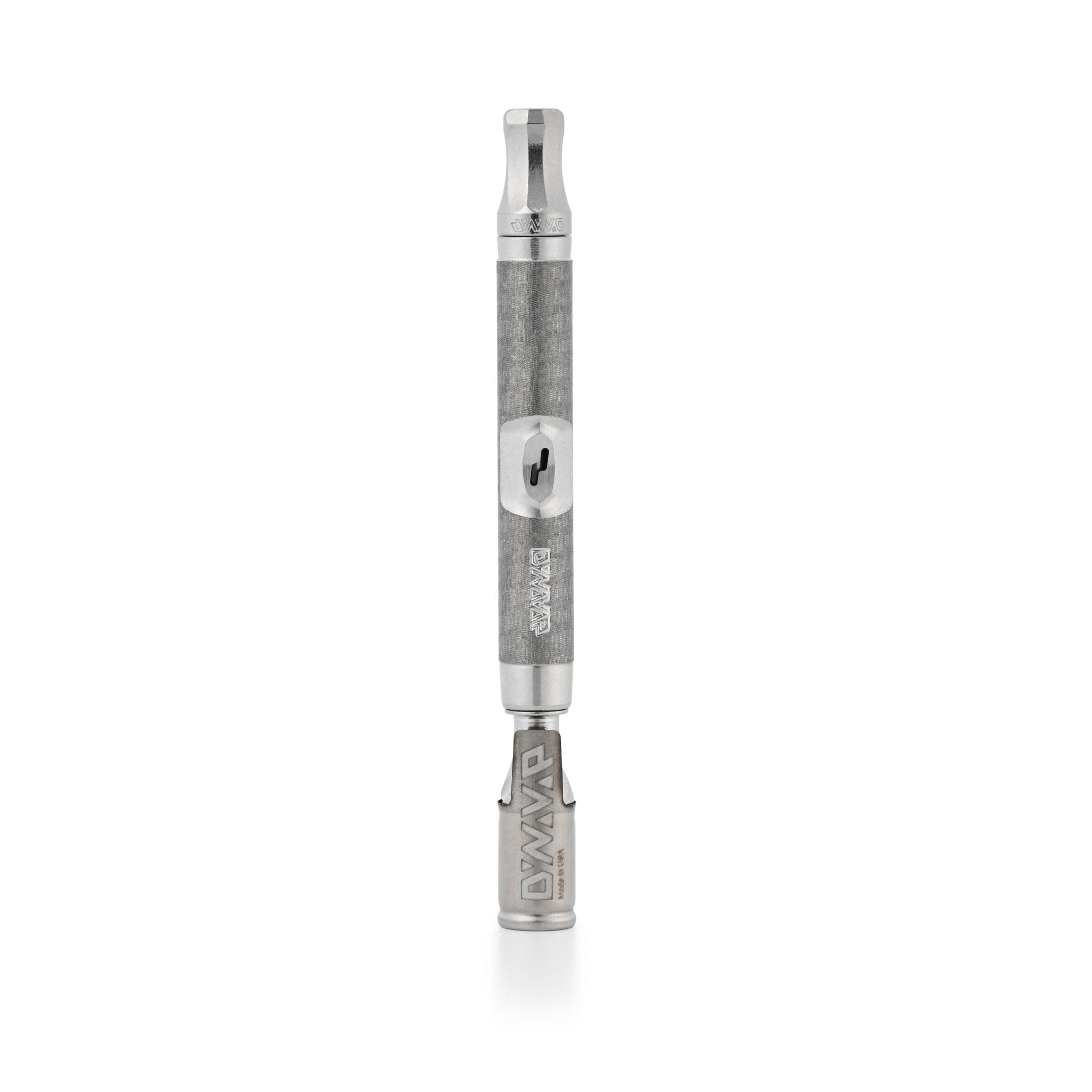
Both models are stainless steel, battery-free and portable, so they fit a travel bag or pocket. Whichever you choose, load only dried botanicals and keep essential oils out of the chamber.
Frequently Asked Questions
Can you use a dry herb vaporiser for aromatherapy blends?
Yes, you can heat dried botanicals such as lavender, chamomile and peppermint in a DynaVap, provided the material is a dry plant blend and not an oil. Grind the herbs finely, pack them into the Tip chamber and heat the Cap with a torch or Induction Heater until it clicks once. Start with a small amount, since the Tip holds roughly 0.1g. Results depend on the herb, so keep your expectations realistic.
Can you put essential oils in a dry herb vape?
No. Essential oils are liquids and are not designed for the dry herb chamber. Placing oil into the Tip can clog the screen, leave residue that is difficult to clean and may damage the stainless steel parts over time. DynaVap is built for dried plant material, so use dried botanicals in the chamber and keep essential oils for separate, purpose-made products.
Which dried herbs can be used in a dry herb vaporiser?
Many people use dried lavender, chamomile, peppermint, eucalyptus and hibiscus in a dry herb vaporiser. Choose herbs that are completely dry, free from mould and sold for their intended use. Check local regulations before buying any botanical. Start with one herb at a time so you can notice how each one draws and tastes in your DynaVap.
How do you clean a dry herb vaporiser after using herbs?
Let the device cool fully, then remove the Cap and brush out loose plant material. Wipe the outside of the Cap, Tip and stem with a dry or lightly damp cloth. Never soak the Cap in liquid. Use a wipe down only, and allow the parts to dry completely before reassembling. Regular cleaning keeps the airflow clear and helps your DynaVap perform consistently between sessions.