
Table of Contents
- Why Maintaining Your Dry Herb Vaporizer Matters
- How to Clean Your Vaporizer Cap Without Water
- DynaVap Maintenance Kit and Essential Tools
- DynaVap Cleaning Frequency and Long-Term Care
- Frequently Asked Questions
Last Updated: September 4, 2026
Why Maintaining Your Dry Herb Vaporizer Matters
Keeping your device clean is the single biggest factor in how long it lasts and how good every session tastes. Residue builds up along the air path, restricting airflow and muting flavour. Learning how to maintain dry herb vaporizers properly protects the components that make the device perform at its best.
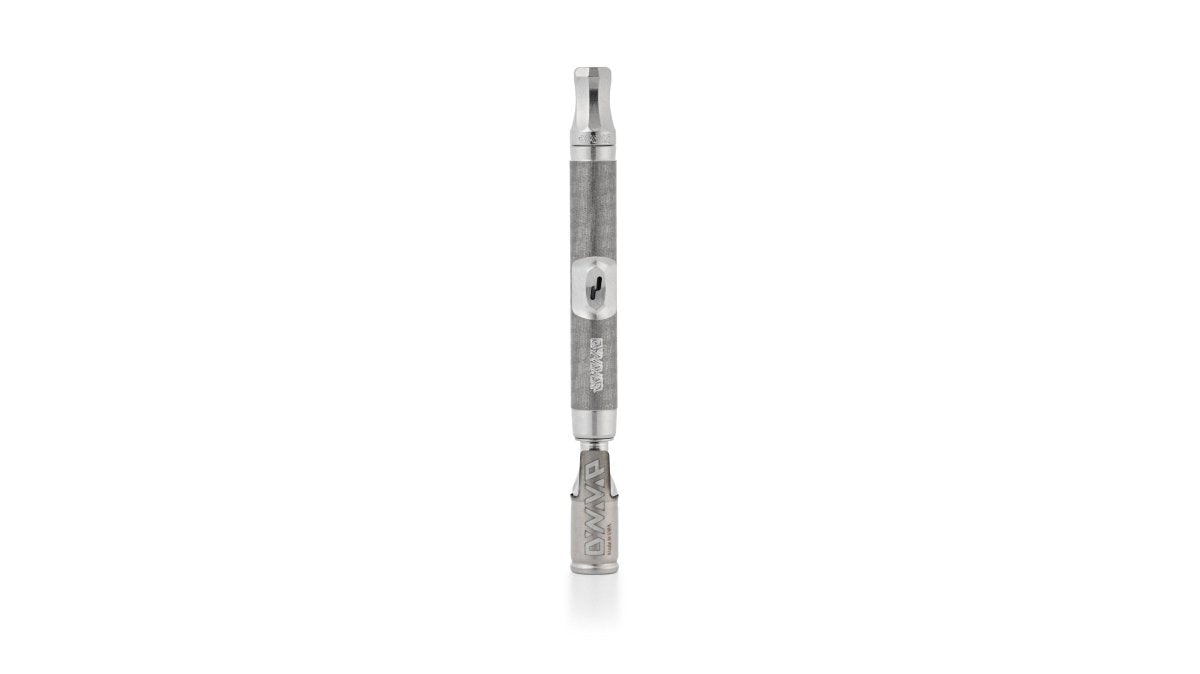
A well-cared-for vaporizer delivers the full flavour profile of your material, session after session. DynaVap devices are modular and simple to take apart, so a quick routine keeps everything tasting fresh. A full clean takes only a few minutes once you know what you are doing.
How to Clean Your Vaporizer Cap Without Water
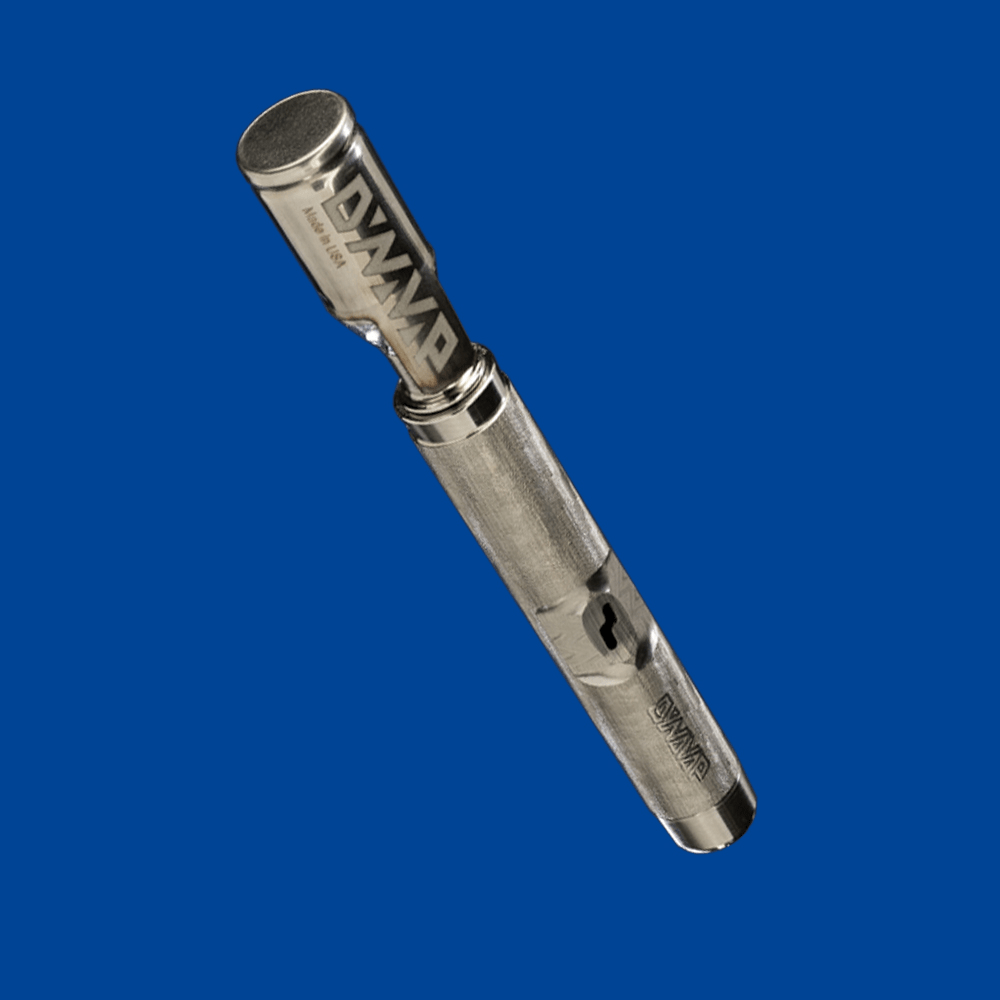
The cap is the one part of your DynaVap that should never be soaked or submerged. Water can get trapped inside the cap and ruin the clicking disc that tells you when it is ready, so the correct method is a dry wipe down only.
Wait until the cap is completely cool, then wipe the outside with a dry cloth or cotton swab to remove soot. For stubborn buildup, use a cotton swab lightly dampened with isopropyl alcohol, but never let liquid pool around the rim or inside. Let it air dry fully before reattaching.
DynaVap Maintenance Kit and Essential Tools
Having the right tools on hand makes cleaning easier and keeps your device in top condition.
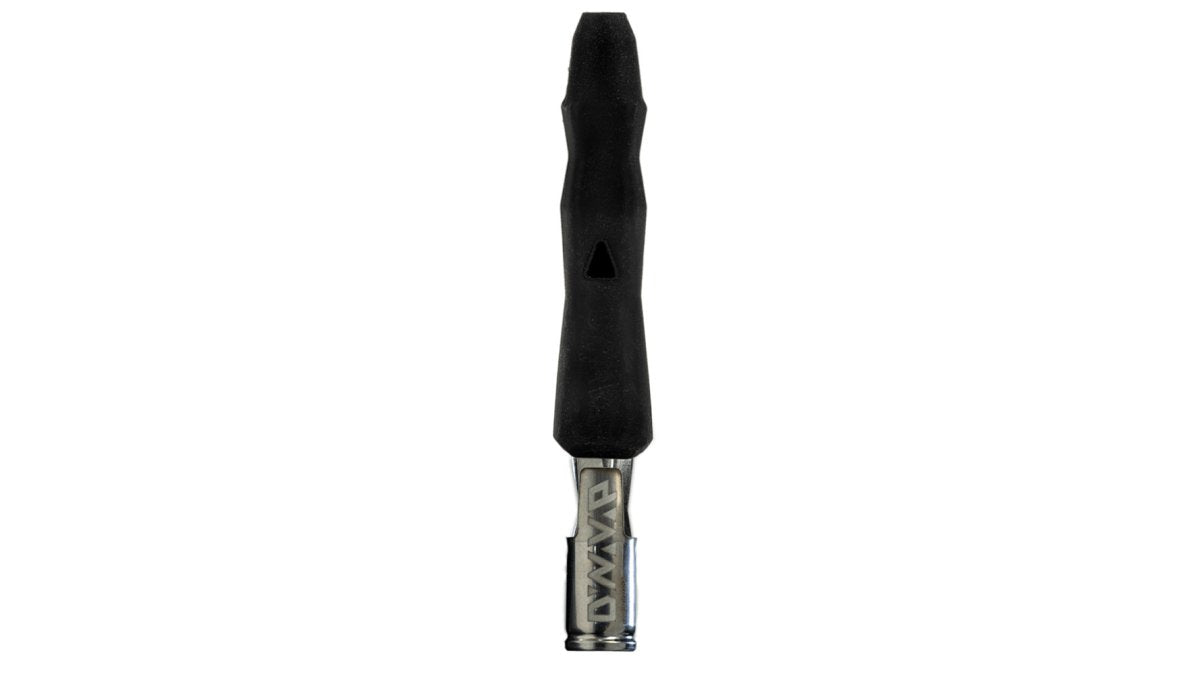
The DynaKit: Maintenance includes cotton pipe cleaners for the condenser and replacement o-rings. The DynaKit: Basic adds stainless steel CCD screens and a Fat Mouthpiece for water piece compatibility. Replacement screens are also sold separately in stainless steel and titanium versions.


DynaVap Cleaning Frequency and Long-Term Care
A light cleaning every week or two keeps things tasting fresh, while a full deep clean once a month handles residue buildup. Daily users may want to clean more often, especially the condenser and tip.
For a regular clean, disassemble the device and wipe down each part. The tip, condenser, and body can be soaked in isopropyl alcohol to break down resin, then rinsed with warm water and dried thoroughly before reassembly. The CCD screen benefits from a soak too, and a quick brush clears any fine particles. Regular upkeep of reusable devices extends their usable lifespan and keeps them performing consistently.
Long-term storage matters just as much as cleaning. Keep your DynaVap in a dry place away from direct sunlight, and store it disassembled or with the cap off so no moisture gets trapped inside. O-rings last longer when they stay lightly lubricated, and checking them during each deep clean catches wear before it becomes a problem. A little preventative attention goes much further than replacing parts after they fail.
Regular maintenance keeps your device performing at its best for years. Get started with a DynaVap maintenance kit.
Frequently Asked Questions
How often should I clean my dry herb vaporizer?
Light cleaning after every few sessions keeps your air path clear and vapour quality consistent. A deeper clean with isopropyl alcohol every two weeks maintains optimal performance. The DynaVap cleaning frequency depends on how often you use your device—regular users benefit from weekly maintenance to prevent residue buildup in the heating chamber and condenser.
Can I use water to clean my vaporizer cap?
No. Never soak the cap or expose it to water. Instead, wipe it down with a dry cloth or cotton swab to remove any residue. For the cap specifically, a simple wipe-down keeps it clean without risking water damage to internal components. The DynaVap maintenance kit includes cotton pipe cleaners perfect for this task.
What tools do I need for DynaVap maintenance?
The DynaVap Maintenance Kit (£12.00) includes cotton pipe cleaners and replacement o-rings, which cover most routine maintenance needs. You'll also want isopropyl alcohol for deeper cleaning of metal components like the tip and condenser. Replacement screens such as the Stainless Steel CCD (£8.00) or Titanium CCD (£12.00) should be kept on hand for when your current screen needs retiring.