
Last Updated: November 1, 2026
Quick Summary
Yes, does stainless steel affect vapor flavor profile, but less than most people claim. Stainless steel holds heat evenly, which gives a smooth, rounded taste, yet material quality, heat control, airflow and cleanliness shape flavor far more than the metal itself.
- Stainless steel is denser and holds heat longer, while titanium heats and cools faster between cycles.
- Coil material ranks below material quality, heat control, airflow and cleanliness in shaping vapor.
- Start with a partly open airport and draw slowly and steadily to keep flavor bright.
- Wipe the Tip and chamber with a soft cloth while slightly warm, and never soak the Cap.
- The B2 Tip has a 0.075g chamber, and the M 7 Tip adds extra mass and an Adjust-a-Bowl.
Table of Contents
- How Stainless Steel Coils Shape the Flavor You Taste
- Stainless Steel vs Titanium Vaporizer: Which Suits Your Session
- Why Coil Material Matters Less Than You Think
- How to Clean a Stainless Steel Vaporizer Without Muting Flavor
- Vaporizer Airflow and Flavour: The Variable That Changes Everything
- Stainless Steel in Power Mode and Temperature Control
- Picking Your First Stainless Steel Tip
- Frequently Asked Questions
How Stainless Steel Coils Shape the Flavor You Taste
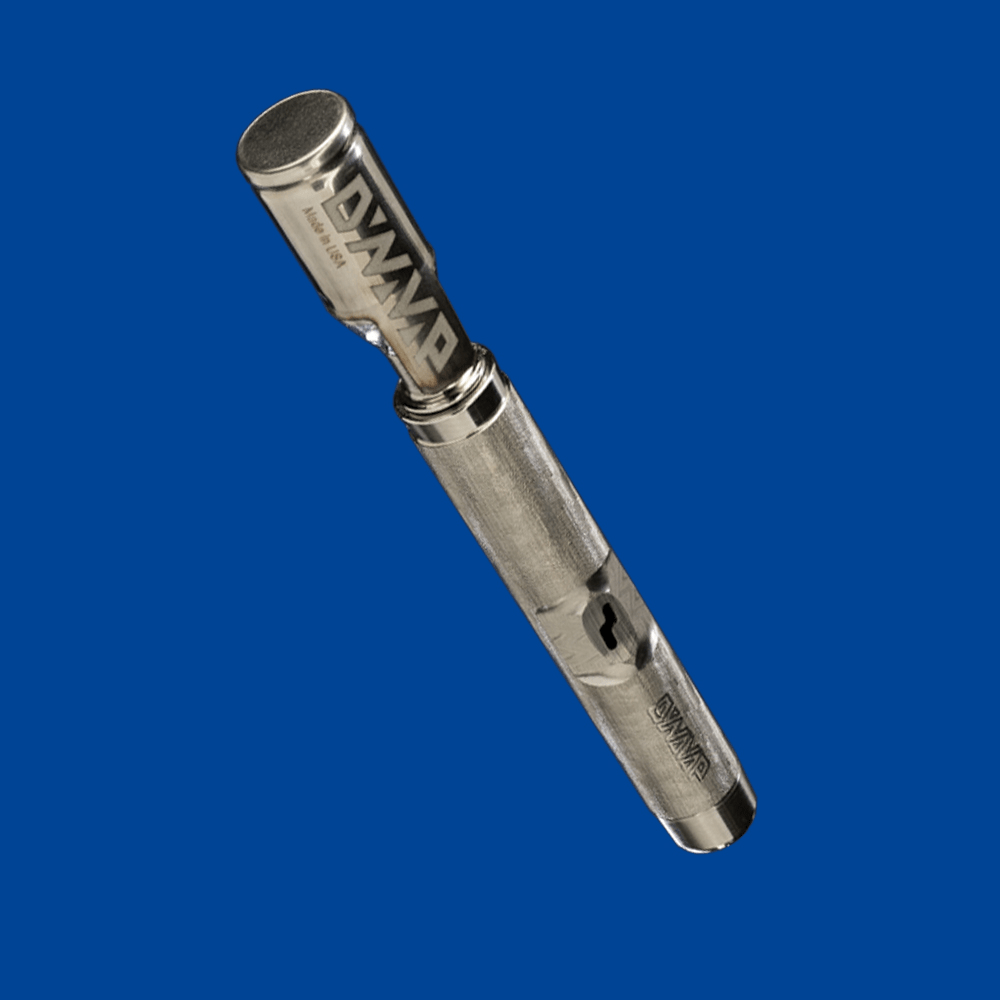
Does stainless steel affect vapor flavor profile? In short, yes, but less than most people claim. The coil material plays a supporting role, while your material, your heat, and your airflow do most of the work. At DynaVap, we build stainless steel Tips because the metal holds heat evenly, and even heat is what protects the flavour you are chasing.
In a dry herb vaporizer, the Tip transfers heat to your material. Stainless steel heats up steadily and holds that heat well, which is why many users find it gives a smooth, rounded taste rather than a sharp spike.
Three things decide how much steel matters:
- How evenly the heat spreads across the chamber
- How fast the metal ramps up and cools down
- Whether the metal reacts with anything in your material
The stainless steel debate is real, but it sits further down the list than most guides admit. Below, we break down where steel wins, where titanium has the edge, and how to get the cleanest flavour from either.
Stainless Steel vs Titanium Vaporizer: Which Suits Your Session
Stainless steel and titanium both deliver clean flavour, but they behave differently in your hand. Stainless steel is denser and holds heat longer. Titanium heats and cools faster, so it responds quicker between cycles.
Here is how the two compare in practice:
| Factor | Stainless Steel | Titanium |
|---|---|---|
| Heat retention | High, steady hold | Lower, cools fast |
| Ramp-up speed | Slower, even | Fast, responsive |
| Weight | Heavier | Lighter |
| Flavour character | Rounded, full | Crisp, quick |
| Best for | Long, slow sessions | Fast repeat sessions |
For a slow session where you want every bit of flavour drawn out, the M 7 Tip is a good fit: extra mass in the chamber holds heat where it matters and gives you dense, even extraction.
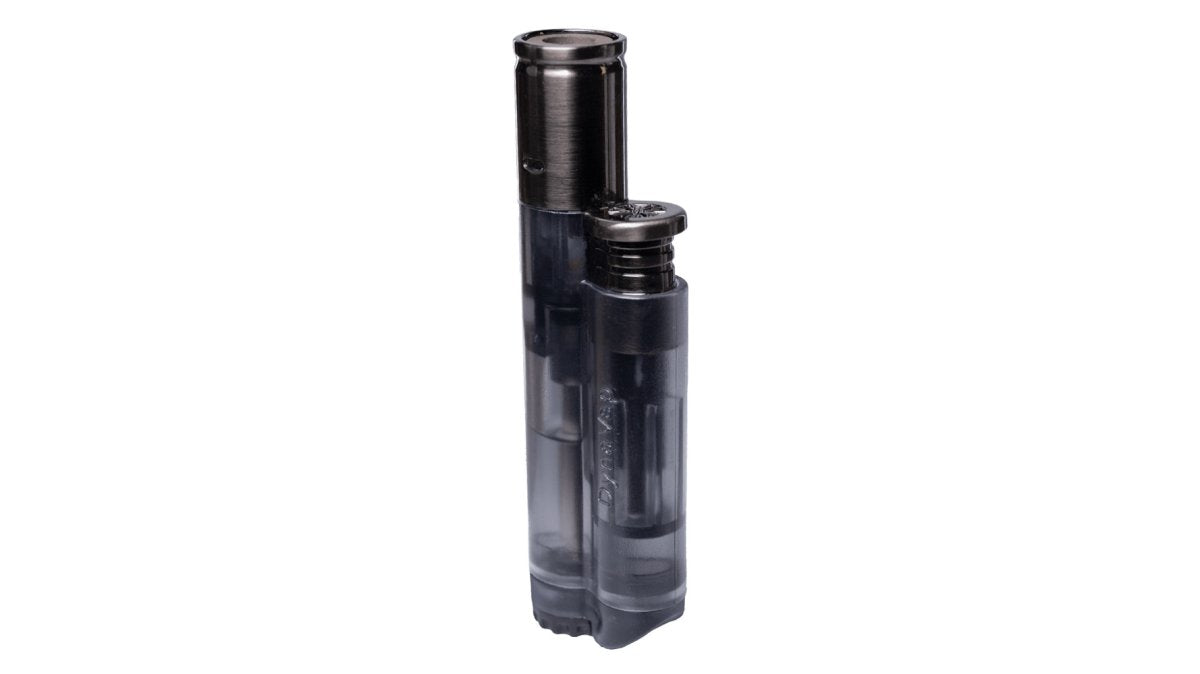
If you want to see the device itself, you can view the stainless steel M 7 vaporizer and judge the build for yourself.
Titanium suits people who heat, take a draw, and go again quickly. Neither metal is "better" in a vacuum. Match the metal to your rhythm and the flavour question mostly answers itself.
Why Coil Material Matters Less Than You Think
Here is the part most guides get wrong: coil material is not the main driver of flavour. It is one variable among several, and usually not the loudest one.
What actually shapes your vapour, in rough order of impact:
- Material quality and moisture. Fresh, well-cured herb tastes better in any device.
- Heat control. Too much heat scorches and mutes flavour fast.
- Airflow. Restricted airflow traps stale vapour and flattens the taste.
- Cleanliness. A dirty chamber coats everything in old residue.
- Coil material. Real, but further down the list.
How to Clean a Stainless Steel Vaporizer Without Muting Flavor
A clean Tip is the cheapest flavour upgrade you can make. Residue builds up session after session, and old residue is what turns a bright taste dull. Regular wiping keeps the Tip in good shape, so a short, regular routine is the easiest way to keep flavour clean.
Follow this routine:
- Let the device cool fully before you touch it.
- Wipe the Tip and chamber with a soft cloth while it is still slightly warm.
- Clear loose material from the chamber with a small brush.
- Wipe the Cap down only. Never soak the Cap in liquid.
- Replace the screen when airflow starts to feel tight.
Watch out: soaking the Cap can trap moisture and damage it. A wipe down is all it needs.
Diagnosing dull or burnt flavour
Before you blame the metal, run through the usual suspects in order. A burnt or muted taste is almost always one of these, not the stainless steel itself:
- Overheating. Too much heat scorches material and mutes flavour fast. Ease off the torch or induction heater and respect the click.
- A gunky Tip or screen. Residue coats the chamber and carries old flavour into every draw. A wipe-down and a fresh screen usually fix it.
- Stale vapour. Restricted airflow traps vapour in the chamber. Keep the screen clear and the airport adjustable.
- Damp or poorly cured material. No metal saves wet herb. Check your material before you swap hardware.
- Worn screen or loose fit. A clogged or ill-fitting screen changes airflow and heat spread. Replace it when draw feels tight.
A common pattern is blaming the metal for a problem that follows you to the next device. If switching materials doesn't fix the taste, the cause was never the steel.
Keeping stainless steel in good shape
Over many sessions the screen is usually the first part to dull airflow. A short, regular routine, wipe, brush, replace the screen, keeps your device working well.
For a full walkthrough, our step-by-step DynaVap cleaning guide covers the whole process in detail. Keep the routine short and regular, and your flavour stays clean session after session.
Vaporizer Airflow and Flavour: The Variable That Changes Everything
If you only change one thing to improve taste, change your airflow. Airflow is how much air moves through the chamber as you draw. More air means cooler vapour and a lighter, brighter flavour. Less air means denser, warmer vapour with heavier notes.
The trick is balance. Too little airflow and the vapour sits and goes stale. Too much and the taste turns thin. Adjusting the airport on your device lets you tune this draw by draw.
A few practical tips:
- Start with a partly open airport and adjust to taste.
- Draw slowly and steadily rather than hard.
- Keep the screen clear so air moves freely.
If you want to go deeper into pulling the full flavour range from your material, our guide on how to get a full terpene profile walks through it step by step.
Airflow is also where device design matters more than metal. A well-designed Tip with open airflow will out-taste a fancier metal with a choked draw every time.
Stainless Steel in Power Mode and Temperature Control
A quick comparison of how the common wire grades behave:
| Wire grade | TC support | Behaviour in power mode | Flavour note |
|---|---|---|---|
| Stainless steel (common grades) | Supported on many devices, but grade-specific | Steady, even ramp | Rounded, clean |
| Kanthal | Not usable in TC (resistance barely shifts) | Simple, forgiving | Neutral, slightly slower to respond |
| Nickel | Supported, but low resistance and fiddly | Rarely used in power mode | Can taste metallic if overheated |
| Titanium | Supported, but needs its own profile | Fast ramp, easy to overshoot | Crisp, quick |
DynaVap takes a different path entirely. Our devices are battery-free and use a click-based indicator. There is one click during heat up and one click during cool down, which tells you when to draw. You heat with a torch or an induction heater. Induction heaters do use a battery, so factor that in if you're travelling. For consistent heat every time, see the induction heater option we offer.
Picking Your First Stainless Steel Tip
New to DynaVap? Start with the B2 Tip. It is our straightforward stainless steel Tip, with a serrated design that makes loading and clearing quick. Its 0.075g chamber suits smaller sessions and microdosing without fuss.
The M 7 Tip is the step up, with extra mass in the chamber and more control over your extraction. Its Adjust-a-Bowl lets you halve the chamber for smaller sessions.
A quick way to choose:
- Brand new and want simple: B2 Tip.
- Want more control and bigger clouds: M 7 Tip.
- Coming back to DynaVap: the VonG X, WoodWynd, and HyperDyn suit experienced hands.
You can browse the M 7 stainless steel tip to see the specs up close.

The standard Tip on most devices is a regular size in the 0.1g range, so you are not losing out by starting simple. Pick the Tip that matches your session style and grow from there.
Frequently Asked Questions
Does stainless steel affect the taste of vapor when it is clean?
A quick wipe down after each session keeps your Tip clean.
How does stainless steel compare with titanium or ceramic for vapor flavor?
Stainless steel holds heat longer, which can give you denser, fuller extractions across a session. Titanium heats and cools faster, so sessions feel snappier. Ceramic is inert but more fragile. None of them adds a flavor of its own when clean. The bigger difference is how each material holds heat and how that shapes your draw, not the taste itself.
Can residue on a vaporizer's stainless steel parts affect flavor?
Swap the CCD screen when draw feels tight and wipe the tip after use. Never soak the Cap, just wipe it down.
Does the material of a vaporizer affect flavor more than airflow or cleanliness?
Cleanliness and airflow usually matter more. A dirty stainless steel vaporizer will taste worse than a clean titanium one, every time. Material affects how heat is retained and released, which shapes density and smoothness. Get the cleaning and airflow right first, then choose stainless steel or titanium based on how you like to session.
The flavour question comes down to control: steady heat, open airflow, and a clean device. That is exactly what DynaVap is built for, with battery-free heating, a click-based indicator, and modular stainless steel and titanium parts that last. Get started with DynaVap and taste your material the way it was meant to taste.