
Table of Contents
- What Is a Full Terpene Profile and Why It Matters
- Step 1: Understanding Your Certificate of Analysis (COA)
- Step 2: Identifying Common Cannabis Terpenes and Their Effects
- Step 3: Terpene Boiling Points and Heat Control
- Step 4: Terpene Preservation Techniques for Maximum Flavour
- Step 5: Choosing the Better Dry Herb Vaporizer for Flavour
- The Entourage Effect: How Terpenes Work Together
- Frequently Asked Questions
Last Updated: September 2, 2026
What Is a Full Terpene Profile and Why It Matters
A full terpene profile is the complete breakdown of aromatic compounds in your cannabis material, showing which terpenes are present and their concentrations. Terpenes are volatile organic compounds that give cannabis its distinctive aroma and flavour, and they work alongside cannabinoids to shape your experience.
Most people think cannabinoids alone determine effects. That's incomplete. The entourage effect, the synergistic interaction between cannabinoids, terpenes, and other compounds, means two strains with identical THC levels can produce markedly different experiences based on terpene composition. One might feel energising, another calming, purely because of terpene differences.
Getting a full terpene profile puts you in control. Instead of guessing based on strain name, you can make informed choices about what you're consuming. You'll know exactly what aromatic compounds you're getting and how to extract them optimally.
Step 1: Understanding Your Certificate of Analysis (COA)
Your Certificate of Analysis is the foundation of everything. This lab report comes with quality cannabis products and contains the terpene data you need, think of it as the instruction manual for your material.
A proper COA includes cannabinoid potency, residual solvents, microbial testing, and crucially, a complete terpene breakdown. The terpene section lists individual compounds by name alongside their percentage concentration, telling you how much of that terpene is present relative to total weight.

How to Read a COA for Terpene Data
Locate the terpene analysis section, look for a table labelled "Terpene Profile," "Terpenoid Analysis," or "Volatile Organic Compounds." The format varies between labs, but the structure is consistent: terpene name, percentage by weight, and sometimes additional notes.
Percentages typically range from 0.1% to 3% for individual terpenes in flower. Concentrates show higher percentages because plant material has been removed. Total terpene content sits at the bottom; quality material usually shows 1-3% total.
Check the analysis date. Terpenes degrade over time, especially with light, heat, or air exposure. A COA from six months ago doesn't reflect your current material's profile. Fresh COAs, ideally within the last month, give you accurate information.
Verify the testing lab's name and credentials. Reputable labs follow standardised protocols and can be verified through industry databases.
Dominant vs. Secondary Terpenes
Dominant terpenes are present in the highest concentrations, typically the top three to five compounds. These shape the primary aroma and flavour. If myrcene dominates, you'll notice earthy, herbal notes. If limonene dominates, citrus notes will be prominent.
Secondary terpenes are present in lower concentrations but still contribute to the overall experience, adding nuance and complexity. Understanding this hierarchy helps you predict what you'll experience: dominant terpenes set the tone; secondary terpenes provide texture.
Step 2: Identifying Common Cannabis Terpenes and Their Effects
Cannabis contains over 100 different terpenes. Knowing the most common ones transforms how you interpret your COA.
Key Terpenes You'll Find on Lab Reports
Myrcene is the most abundant terpene in cannabis, with an earthy, herbal aroma and hints of clove. It's associated with relaxing, sedative effects and appears frequently in indica-dominant strains. When myrcene dominates, expect a grounded, calming experience.
Limonene smells like citrus, lemon, orange, grapefruit. It's the second most common terpene and appears in both sativa and indica strains. Limonene is linked with uplifting, mood-boosting effects. High limonene profiles tend to feel more energising.
Caryophyllene has a spicy, peppery aroma reminiscent of black pepper and cloves. It's unique because it interacts directly with cannabinoid receptors, making it genuinely bioactive. Caryophyllene-dominant profiles often feel warming and grounding.
Pinene smells like fresh pine or rosemary. It's associated with alertness and mental clarity. Materials with strong pinene presence tend to feel more focused.
Linalool carries floral, lavender-like notes and is calming. Linalool-dominant profiles often feel soothing and gentle.
Terpinolene smells herbal with hints of pine and citrus. It's associated with creative, uplifting effects and appears in sativa-dominant strains.
These six terpenes account for the majority of what you'll see on most COAs. Learning to spot them gives you the knowledge to make informed choices before you even begin extraction.
Step 3: Terpene Boiling Points and Heat Control
Different terpenes vaporise at different temperatures. Understanding boiling points lets you control which compounds you extract and experience.
The practical reality: myrcene, the most abundant terpene, begins to vaporise at lower temperatures. Pinene follows shortly after. Limonene vaporises at a slightly higher point. Caryophyllene, one of the heavier terpenes, requires more heat. Linalool sits somewhere in the middle. These compounds don't all vaporise at once, they vaporise in sequence.
This means you can shape your experience by controlling how you heat your material. Gentle, careful heating lets you experience delicate, volatile terpenes first, citrus notes from limonene, floral whispers of linalool, herbal complexity of pinene. As you continue, heavier compounds like caryophyllene and myrcene fully vaporise, bringing warmth, spice, and deeper earthiness.
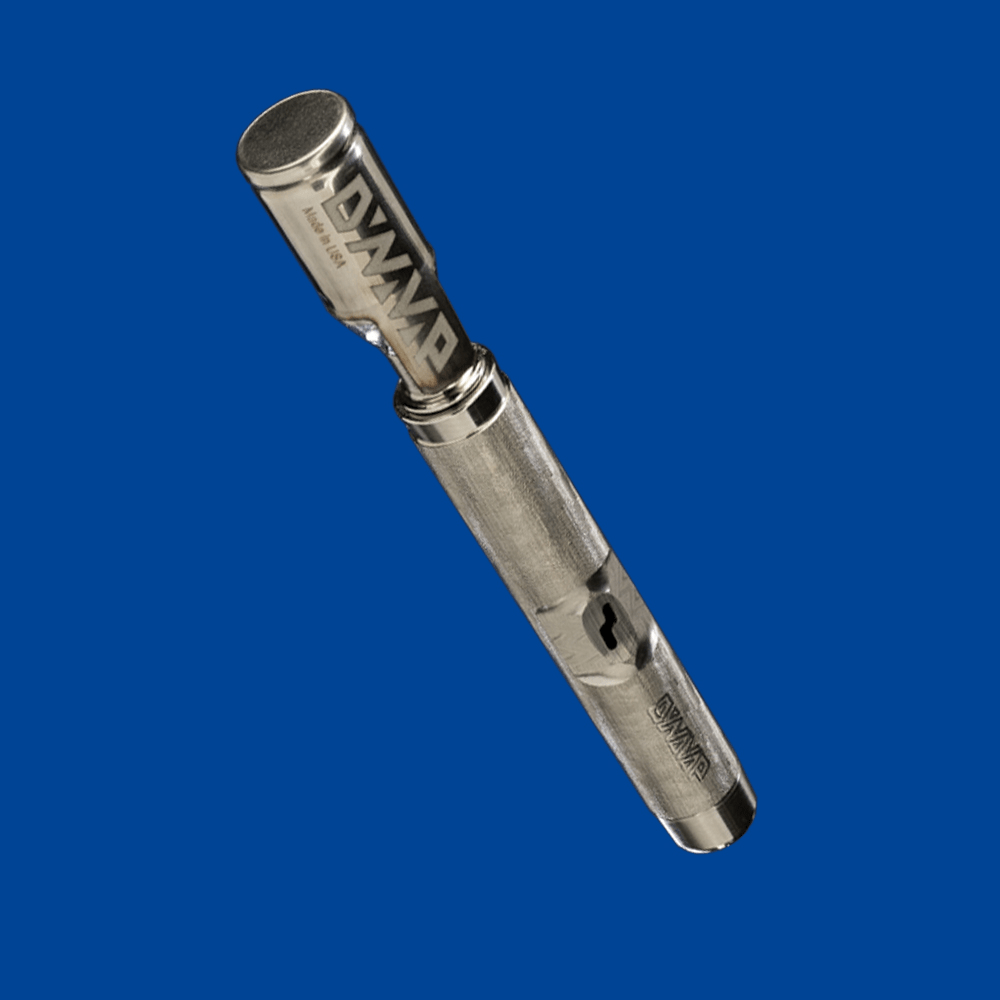
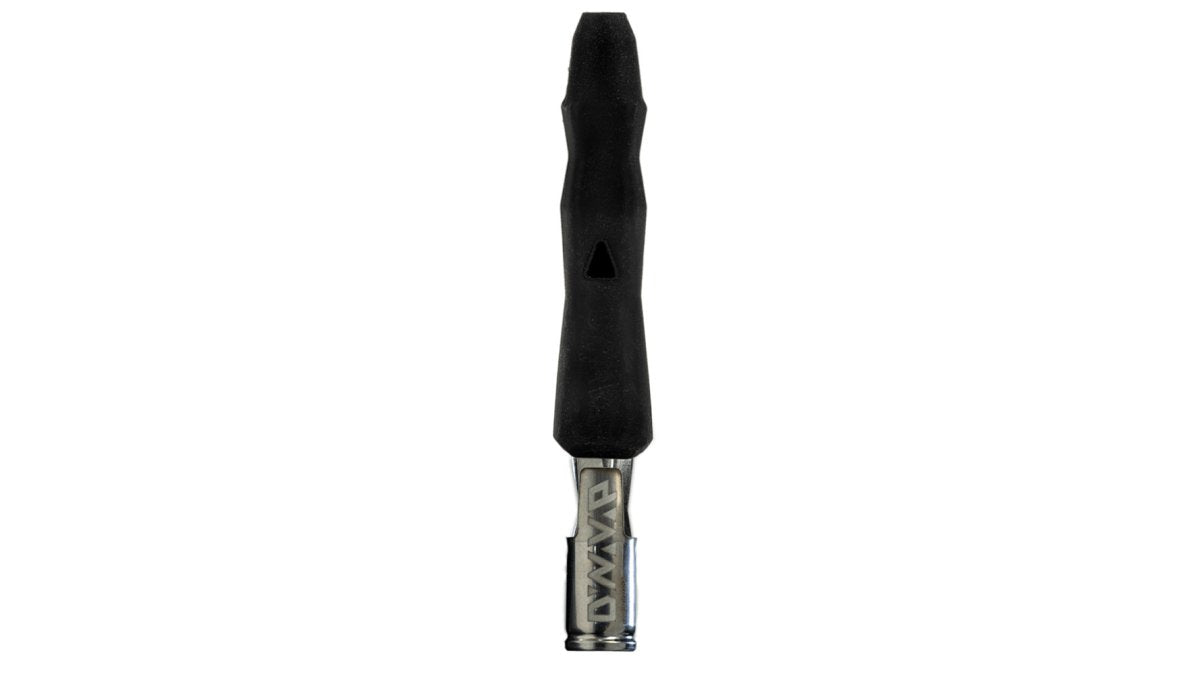
Most users find that a slower, more deliberate approach to heating preserves the full terpene profile better than rushing. With a torch-heated device like DynaVap's B2 or M 7, you heat until you hear the click, that audible signal tells you you've reached the optimal point where cannabinoids are active but you haven't overheated and degraded volatile compounds. You can take a draw, let the material cool slightly, then reheat for another cycle. Each cycle extracts a slightly different balance of compounds.
Induction heaters offer consistent, repeatable heat across sessions. Because heating is even and controllable, you can dial in exactly how you want to extract your material. Induction heaters do use a battery, but that trade-off buys you precision. Many returning customers prefer this approach because once you've found your ideal extraction point, you can replicate it perfectly every time.

The practical takeaway: lower heat emphasises delicate, volatile terpenes. Moderate heat balances terpenes and cannabinoids. Your heating method and technique directly influence which parts of your full terpene profile you experience most prominently. Torch heating gives you direct tactile control; induction gives you consistency. Both preserve terpene complexity better than devices that overheat material.
Step 4: Terpene Preservation Techniques for Maximum Flavour
Storage matters profoundly. Terpenes begin degrading the moment cannabis is harvested. Your full terpene profile is not static, it changes over time.
Terpene Degradation Timeline
In the first two weeks post-harvest, terpene loss is minimal with proper storage. This is when your COA is most accurate. After four weeks, most materials have lost 10-15% of original terpene content, even in ideal conditions. After three months, losses accelerate to 20-30%. After six months, you're experiencing a noticeably different terpene profile than the original lab report showed.
This is why the COA date matters. A report from six months ago doesn't reflect your current material. Prioritise recently tested material. If a COA is more than a month old, assume terpene content is lower than reported.
Light is the primary culprit. Ultraviolet light degrades terpenes rapidly, direct sunlight can degrade 50% of terpene content in days. Heat accelerates degradation exponentially. Oxygen exposure causes oxidation, transforming terpenes into different compounds that may smell stale.
Practical Storage for Terpene Preservation
Keep material in airtight containers away from direct light. Metal or Glass jars with rubber seals work well because glass doesn't interact with terpenes the way some plastics do. Use opaque or dark glass. Store in a cool, dark place, ideally around 15-18°C. This temperature range slows degradation without freezing material.
Humidity control matters too; aim for 55-65% relative humidity. Too dry and material becomes brittle and degrades faster. Too moist and mould risk increases.
Never soak the cap or any vaporizer components in water or cleaning solutions. Instead, wipe down the cap and other parts with a dry cloth after each session. This prevents water damage and maintains component integrity that affects heat distribution and extraction quality.
Temperature stability during storage is critical. Fluctuating temperatures cause terpenes to vaporise and condense repeatedly, degrading them. A consistent, cool environment is far better than a warm one that varies throughout the day.
Grinding and Consumption Timing
When ready to use your material, grind it just before consumption. Grinding increases surface area, which accelerates terpene degradation through oxidation. Fresh grinding preserves more volatile compounds. If you grind material and wait an hour before using it, you'll notice the aroma has already faded, that's terpene loss in real time.
If you're using a device like the M 7 XL or VonG X, you can load smaller amounts and consume immediately, minimising the window between grinding and extraction. This preserves more delicate, volatile terpenes.
Storage preserves what you have, but time degrades it regardless. Buy fresher material when possible, store it properly, and consume it within a reasonable window. Your full terpene profile is most accurate in the first month after testing.
Step 5: Choosing the Better Dry Herb Vaporizer for Flavour
Not all vaporizers extract terpenes equally. The heating method, temperature control, and airflow design all influence which compounds you experience from your full terpene profile.
Convection heating, where hot air passes through material, tends to preserve terpene complexity better than conduction heating, where material sits directly on a hot surface. Convection is gentler and more even.
Battery-free vaporizers offer an advantage: they don't rely on electronic temperature sensors that can overheat or underheat material. Manual heating with a torch gives you direct control. DynaVap's devices use a click-based cap system that indicates optimal temperature without requiring you to monitor numbers. You heat until the cap clicks, signalling you've reached the right temperature for balanced extraction of cannabinoids and terpenes.
For those preferring induction heating, consistent, repeatable heat lets you dial in exactly how you want to extract your full terpene profile across multiple sessions. Induction heaters do use a battery, but that trade-off provides precision.
The key is choosing a device that lets you control heat precisely. DynaVap's B2 and M 7 models are popular starting points for new users because they're straightforward and reliable. Returning customers often prefer the VonG X, WoodWynd, or HyperDyn for their refinements and customisation options.
The Entourage Effect: How Terpenes Work Together
The entourage effect is why a full terpene profile matters more than any single compound. This is the synergistic interaction between cannabinoids, terpenes, and other plant compounds that produces effects greater than any single component alone.
Myrcene increases cell membrane permeability, potentially allowing cannabinoids to cross the blood-brain barrier more efficiently. Caryophyllene binds directly to cannabinoid receptors, creating effects independent of THC or CBD. Limonene modulates serotonin and dopamine, influencing mood in ways that synergise with cannabinoid effects.
A strain with 20% THC and a myrcene-dominant terpene profile will produce a different experience than a strain with identical THC levels but a limonene-dominant profile. The cannabinoid potency is the same; the terpene composition changes everything.
Understanding your full terpene profile helps you predict and shape your experience. If you want relaxation, seek materials with high myrcene and linalool. If you want focus, prioritise pinene and terpinolene. These choices actually matter, you're not just chasing THC percentages.
Destroying terpenes through overheating diminishes the entourage effect. Preserving them through careful, controlled heating lets you experience the full synergy the plant offers.
Getting a full terpene profile transforms you from a passive consumer into an informed user. You'll read your COA with confidence, understand what terpenes you're getting, and make choices that align with what you actually want to experience. Proper storage, controlled extraction, and understanding the entourage effect mean you'll get more from your material. DynaVap EU's precision heating approach ensures you're extracting terpenes efficiently without degrading them, so you experience the complete profile your material offers. Start by requesting COAs for your material, learn the dominant terpenes, and adjust your extraction technique accordingly.
Frequently Asked Questions
Q: What is a good terpene profile?
A: A good terpene profile contains a diverse range of aromatic compounds, typically with total terpene content between 1-3% or higher. Look for a Certificate of Analysis that lists multiple dominant terpenes (myrcene, limonene, caryophyllene, pinene, or linalool) rather than just one. Strain-specific profiles matter too—each strain has its own signature terpene makeup. The best profiles show clearly labelled dominant and secondary terpenes, which tells you the product has been properly tested and preserved.
Q: How does thermal extraction preserve delicate terpenes in a full terpene profile?
A: Thermal extraction using a combustion-free vaporizer heats your material to specific boiling points without burning it, which preserves volatile organic compounds like terpenes. Unlike smoking, which destroys many aromatic compounds through combustion, precise heating allows terpenes to vaporise intact. Battery-free devices with click-based heating indicators—such as DynaVap's modular vaporizers—give you consistent thermal extraction without monitoring temperatures, ensuring you capture the full terpene profile every session.
Q: Do higher terpene levels change the intensity of the experience?
A: Higher total terpene content generally means more pronounced aroma and flavour, but intensity depends on which terpenes are dominant. Myrcene, known as the 'mother of all terpenes,' influences the overall profile significantly. However, terpene percentage alone doesn't determine effects—the entourage effect means how different cannabinoids and terpenes work together matters more than raw percentages. A well-balanced profile with 2% total terps can be more effective than a higher-percentage profile with poor terpene diversity.
Q: What is the mother of all terpenes?
A: Myrcene is often called the 'mother of all terpenes' because it's the most abundant terpene found in cannabis and many plants. It contributes earthy, herbal notes and is believed to influence how other cannabinoids and terpenes interact in the entourage effect. Strains high in myrcene tend to have more sedative characteristics. Understanding myrcene's role in your product's Certificate of Analysis helps you predict the overall experience before use.
This article was written using GrandRanker