
Table of Contents
- What Is Manual Thermal Extraction and How Does It Work
- What You'll Need Before Your First Session
- Step-by-Step Manual Thermal Extraction Technique
- Understanding Thermal Extraction Click Feedback
- How to Avoid Scorching Dry Herbs
- Advanced Heating Tips for M 7 and HyperDyn Users
- Cleaning, Maintenance, and Session Management
- Frequently Asked Questions
Last Updated: September 1, 2026
What Is Manual Thermal Extraction and How Does It Work
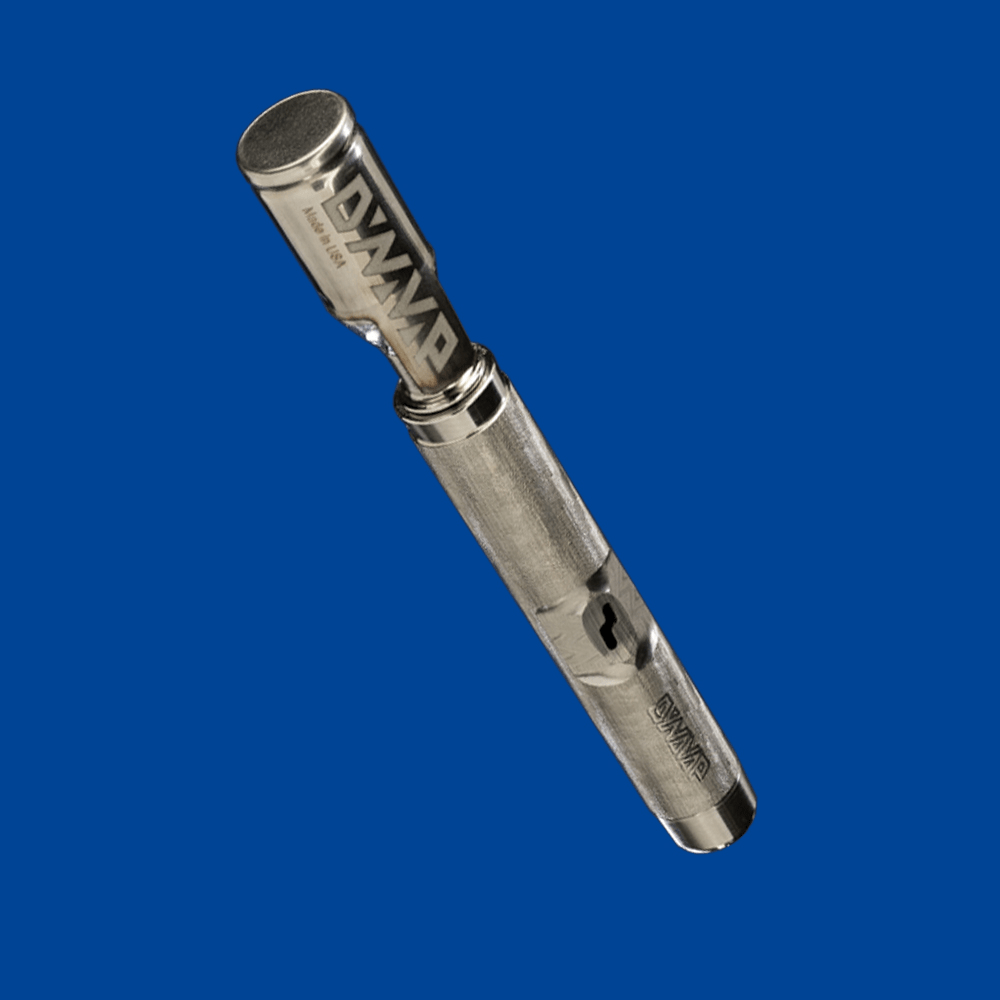
Manual thermal extraction is the process of applying an external heat source to a specially designed vaporizer cap, which then transfers that heat into a packed herb chamber through conduction and convection, releasing vapour without combustion.
There is no flame contacting the dry herb directly, no burning, and no smoke. Instead, heat migrates through the metal cap and into the biomass at a controlled temperature, vaporising terpenes and active compounds while leaving combustion byproducts behind. The result is a cleaner, more flavour-forward experience that preserves the terpene profile in a way that lighting up simply cannot.
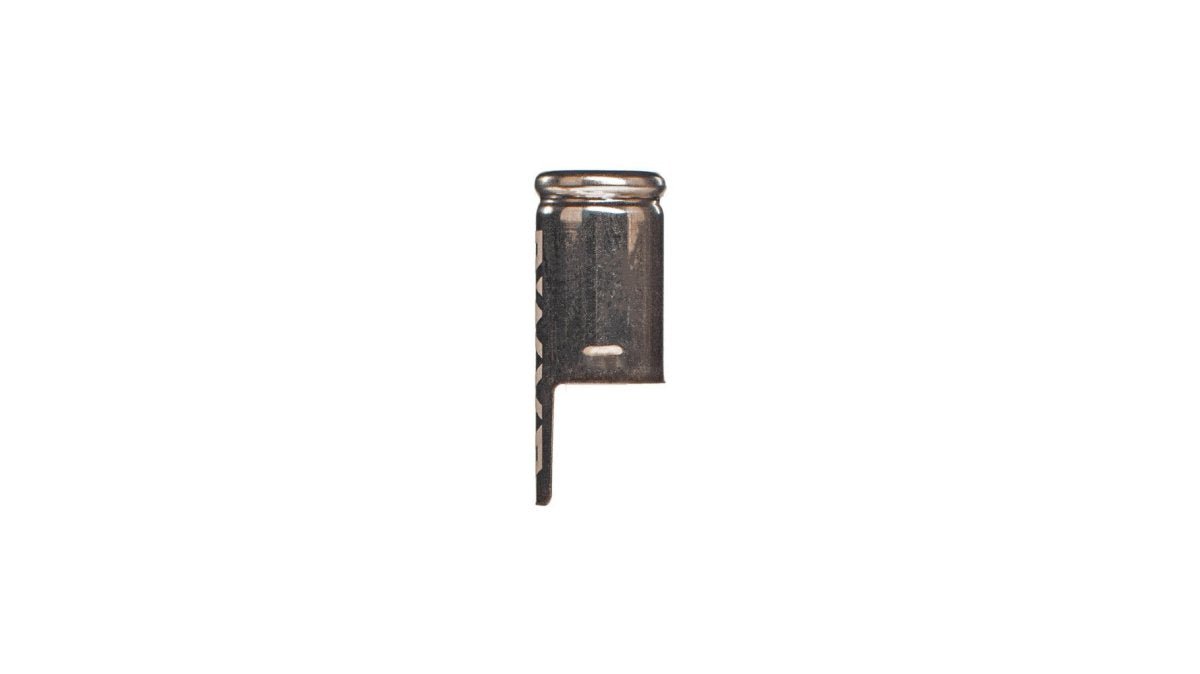
Heat travels from the torch flame into the cap's thermal mass, soaks inward, and reaches the herb chamber at a temperature determined by how long and where you apply heat. The audible click you hear is a bimetallic disc inside the cap expanding to signal that optimal vaporisation temperature has been reached. Master the heat-up cycle, and everything else follows.
What You'll Need Before Your First Session
Grind Consistency and Chamber Loading
Grind consistency is one of the most overlooked variables in manual thermal extraction. Material that is too coarse creates uneven heat distribution; material ground too fine restricts airflow and produces a harsh draw.
The ideal texture sits between the two: a medium-fine grind with no large chunks and no powder. A purpose-built grinder such as the DynaGrynd uses mill-style grinding technology that prepares material gently and consistently, preserving the delicate terpene profile before heat even enters the equation.

For chamber loading, fill the tip loosely and avoid packing tightly. A light tamp is fine. Overpacking restricts airflow and raises draw resistance.
Choosing Your Heat Source
Your heat source controls the speed and character of your heat-up cycle. Two main options exist: torch lighters and induction heaters.
Torch lighters offer the most direct control. A single-flame torch gives you a slower, more deliberate heat-up that is ideal for learning. The DynaTorch (Single Flame) is purpose-built for this, fitting naturally in the hand and delivering a consistent, focused flame. The Honest Single Torch is a reliable, refillable alternative with an adjustable flame and a non-slip grip.
For new users, a single-flame torch is the better starting point. It teaches you the relationship between heat application and the click, which is the foundation of technique.
Step-by-Step Manual Thermal Extraction Technique
Here is the full process from pack to inhale:
- Grind and load your material into the tip, filling the chamber loosely with a medium-fine grind.
- Fit the cap onto the tip, ensuring it seats fully and rotates freely.
- Hold the device between your thumb and index finger near the mouthpiece end, keeping the cap end pointing away.
- Apply the torch flame to the lower third of the cap, rotating the device slowly and steadily. Keep the flame tip approximately 1-2 cm from the cap surface.
- Listen and feel for the click. Stop applying heat immediately when you hear it.
- Wait one to two seconds, then begin your draw.
- Draw slowly and steadily for 5-8 seconds, controlling airflow with your finger over the carb hole if your device has one.
- Repeat from step 4 for subsequent hits until extraction is complete.

Heat-Up Cycle and Positioning
Where you position the flame on the cap changes everything. Heating the very tip of the cap produces a faster, hotter extraction that frontloads vapour density but risks scorching if you overshoot. Heating the lower third of the cap, closer to the condenser, produces a slower, more even heat-up cycle that is gentler on the terpene profile.

For most sessions, the lower-third position is the right starting point. As you build familiarity with your device's thermal mass and click timing, you can experiment with positioning to tune the experience.
Airflow Control and Draw Technique
Draw resistance and airflow control separate a good session from a great one. Most DynaVap devices feature a carb hole on the condenser. Covering it fully produces a more restricted draw with denser vapour. Partially uncovering it introduces cooler air, reducing vapour density but smoothing the experience.
Start with a fully covered carb and a slow, steady draw. If the vapour feels too harsh, partially uncover the carb on your next hit. A common mistake is drawing too fast. A rapid draw pulls cool air through the chamber before the material has fully extracted, producing thin, unsatisfying vapour. Slow down.
Understanding Thermal Extraction Click Feedback
The click is the single most important signal in manual thermal extraction. The cap on every DynaVap device contains a bimetallic disc that flexes at a calibrated temperature, producing an audible and tactile click. According to materials science principles behind bimetallic strips, bimetallic components respond predictably to temperature changes, which is what makes the click a reliable indicator. This click signals that the cap has reached optimal vaporisation temperature.
Two clicks matter: the click on the way up (heat-up click) tells you to stop applying heat and begin your draw. The cool-down click signals that the cap has dropped below vaporisation temperature, at which point reheating is needed for another hit.
A single click is the standard signal. If you consistently hear double-clicks, move your flame position lower on the cap and slow your heat-up cycle.
How to Avoid Scorching Dry Herbs
Scorching is the most common problem new users encounter, and it is almost always a technique issue rather than a device fault.
The primary causes of scorched dry herb are: heating past the click, applying the flame too close to the cap surface, heating the top of the cap rather than the lower third, using a multi-flame torch without adjusting distance, and drawing too slowly after the click. The fix is the same principle: less heat, more control. A single-flame torch at 1-2 cm distance, applied to the lower cap, with rotation, is the safest and most consistent approach for preserving the full terpene profile.

Temperature Stepping for Full Terpene Preservation
Temperature stepping is an advanced technique that extracts different compound classes across multiple heat cycles at progressively higher temperatures. Different terpenes and active compounds vaporise at different temperatures, so a single high-temperature extraction misses the nuance available from a more graduated approach.
A practical temperature-stepping sequence works like this:
- First hit: Heat the lower third of the cap slowly for a cooler extraction. This captures the most volatile terpenes and delivers the strongest flavour hit.
- Second hit: Move the flame slightly higher on the cap or hold it slightly closer. The extraction temperature rises, accessing a different compound profile.
- Third hit: Heat more aggressively for a final, higher-temperature extraction that clears the remaining biomass.
This approach, informed by terpene vaporisation temperature research, means a single chamber load delivers a layered session rather than a single-note extraction.
Advanced Heating Tips for M 7 and HyperDyn Users
Returning users who have moved to the M 7, M 7 XL, VonG X, WoodWynd, or HyperDyn will notice that different device geometries and materials respond differently to heat input. The underlying physics of manual thermal extraction remain the same, but the thermal mass and heat retention characteristics vary between devices.
The HyperDyn features a different thermal profile to the standard M series. Its construction means heat soaks through the cap more evenly, which rewards a slightly more deliberate heat-up cycle. Rushing the HyperDyn's heat-up produces inconsistent results. Take an extra second or two on the heat-up and let the thermal mass distribute heat before the click arrives.
For the M 7 and M 7 XL, the standard technique applies cleanly. These are the devices we recommend for users new to the DynaVap system, as their thermal mass and click timing are forgiving and predictable.
Material-Specific Extraction Profiles
Not all dry herb material behaves the same way in a manual thermal extraction device. Moisture content, density, and grind consistency all affect how heat moves through the biomass and how quickly the chamber reaches extraction temperature.
Drier material extracts faster and at lower temperatures. If your herb is particularly dry, reduce your heat-up time slightly and keep the flame on the lower third of the cap to avoid jumping past the ideal extraction window.
Denser material or material with higher moisture content requires more heat to reach the same internal temperature. A slightly longer heat-up cycle and a second pass from the flame after the cool-down click may be needed to achieve full extraction efficiency.
Environmental Variables That Affect Your Session
Environmental conditions have a significant effect on manual thermal extraction.
Cold temperatures reduce the thermal mass of the cap and extend the heat-up cycle. Outdoors in winter, you may find you need an extra second or two of flame application to reach the click.
Wind is the most disruptive environmental variable. Even a light breeze carries heat away from the cap surface. Cup your hand around the cap during heating, or use a windproof torch.
Altitude affects butane combustion efficiency in torch lighters, which can reduce flame temperature. At significant elevation, you may notice a longer heat-up cycle.
Humidity affects the material itself. High-humidity environments can raise the effective moisture content of your herb over time, so storage in an airtight container is worth the effort.
Cleaning, Maintenance, and Session Management
A clean device is a consistent device. Residue buildup in the vapor path, condenser, and cap affects both draw resistance and the purity of the terpene profile you taste.
After each session:
- Remove the cap and allow all components to cool completely before handling
- Use the built-in digger tool on The Cap to clear spent material from the tip chamber
- Wipe the condenser with a dry cloth or cotton bud to remove light residue
Weekly maintenance (for regular users):
- Soak the condenser, midsection, and tip in isopropyl alcohol for 20-30 minutes
- Rinse thoroughly with warm water and allow to dry fully before reassembly
Session management for efficiency:
- Pack only what you intend to use in a single session. Partially extracted material left in the chamber degrades in quality.
- Allow the device to cool fully between sessions when possible. Back-to-back sessions without cooling can cause residual heat to build up in the thermal mass, leading to inconsistent click timing.
- Store your device disassembled when not in use. This keeps the vapor path clear and prevents terpene residue from baking onto surfaces.
The Cap itself deserves particular attention. As the component that houses the bimetallic disc and signals optimal extraction temperature, it should be inspected regularly. A cap that has been overheated repeatedly may click at slightly different temperatures over time. Replacing it is straightforward and restores the precision that makes the system work.
Consistent maintenance is not just about hygiene. It is about extraction efficiency. A clean vapor path offers lower draw resistance, which means you spend less material achieving the same result.
Mastering manual thermal extraction takes a handful of sessions to get right. The core challenge is learning to trust the click, control your flame position, and slow down your draw. Once those three things click into place, the system rewards you with a level of flavour clarity and extraction control that most electronic devices cannot match. DynaVap devices are built around this exact principle: battery-free, combustion-free, and precise by design. If you are ready to move beyond guesswork, explore the full range and get started with a device built to make this technique second nature.
Frequently Asked Questions
How does manual thermal extraction differ from electronic heating?
Manual thermal extraction uses an external heat source, such as a butane torch, to heat the cap of your device to a precise temperature. Electronic vaporisers rely on internal battery-powered elements. The manual approach gives you direct, tactile control over the heat-up cycle with no battery dependency, making it fully portable anywhere you can carry a lighter. The trade-off is a short learning curve around torch positioning and draw timing, which most users master within a few sessions.
How do I know when my material has reached full extraction?
With a click-based device like a DynaVap, the audible click from the cap signals that the tip has reached optimal vaporisation temperature. When the material is fully extracted, vapour density drops noticeably and the flavour profile becomes thinner or slightly toasted. At that point, allow the cool-down click to sound before reloading. Colour change in the biomass from green to a light golden-brown also confirms thorough, combustion-free extraction without scorching.
What is the best heating technique to avoid scorching dry herbs?
Keep the flame tip roughly 1-2 cm below the cap and rotate the device slowly and continuously during the heat-up cycle. This distributes heat evenly around the thermal mass rather than concentrating it on one spot. Stop applying heat immediately after the first click sounds. Overheating past the click is the most common cause of scorching. Using a single-flame torch rather than a multi-flame torch gives you more precise, controlled heat input, which makes combustion far less likely.
Can you use already-vaped dry herbs again?
Already-vaped material, sometimes called ABV (already been vaped), retains some active compounds after the first extraction pass, particularly if you extracted at lower temperature steps. It can be used in a second, hotter session to recover residual content, though flavour and vapour density will be significantly reduced. Many users collect ABV over time for secondary use. Full extraction in the first session, achieved through proper heat-soaking and temperature stepping, minimises how much is left behind.
This article was written using GrandRanker