
Last Updated: November 18, 2026
Quick Summary
To avoid combustion, pack your tip loosely, heat the side of the Cap with a moving flame, and stop the moment you hear the click. Respecting that single click and keeping the device clean keeps you in vapour territory instead of burning your herb.
- Pack the tip loosely in the 0.1g range and never press the herb down hard.
- Aim the flame at the side of the Cap and keep the torch moving.
- There is only one click during heat up and one during cool down.
- Induction heaters remove the flame but need a charged battery.
- Wipe the Cap only and never soak it when cleaning.
Table of Contents
- Why Combustion Happens in a Thermal Device
- How to Pack a DynaVap Tip So It Heats Evenly
- How to Heat a DynaVap with a Torch Without Scorching It
- DynaVap Induction Heater Guide: What Changes and What Stays the Same
- Signs of Combustion in a Dry Herb Vaporiser and What to Do Next
- Cleaning and Maintenance That Keeps Combustion Away
- Choosing Your First DynaVap Setup
- Frequently Asked Questions
Why Combustion Happens in a Thermal Device
Combustion in a thermal device happens when the herb gets far hotter than it should. Instead of releasing vapour, the material actually burns. You get smoke, ash and a harsh, bitter taste that ruins the session.
The cause is usually too much heat, applied too long or too close. Pushing past the right point causes the herb to burn rather than release vapour. DynaVap devices are built around a simple click that signals when to stop. Respecting that click helps you stay in vapour territory.
To avoid combustion, you only need a few habits. Below, we'll show you exactly how to pack, heat and clean your device so burning rarely happens.
UK Government fire safety guidance for home heating devices
How to Pack a DynaVap Tip So It Heats Evenly
Pack loosely and leave room for air. A tip that's stuffed too tight blocks airflow, so heat builds unevenly and one spot scorches before the rest is ready.
The standard Tip on most devices is a regular size, in the 0.1g range. That's all you need. A fine grind helps, but don't cram it in. Aim for a light, springy fill, not a dense plug.
A common mistake is overpacking because it feels like better value. It isn't. A loose pack heats evenly and gives you fuller flavour.
- Grind your herb finely and evenly
- Fill the tip loosely, without pressing down hard
- Leave a small gap at the top
- Check the draw before you heat
If the pull feels tight, it's too full. Tip a little out and try again.
How to Heat a DynaVap with a Torch Without Scorching It
Aim the flame at the side of the Cap, not the tip. Keep the torch moving and stop the moment you hear the click. That single click during heat up is your signal to pull the flame away.
Holding the flame in one spot is the fastest route to combustion. Rotate the device and let the heat spread. When you hear the click, stop. There's only one click during heat up and one during cool down, so don't wait for a second one.
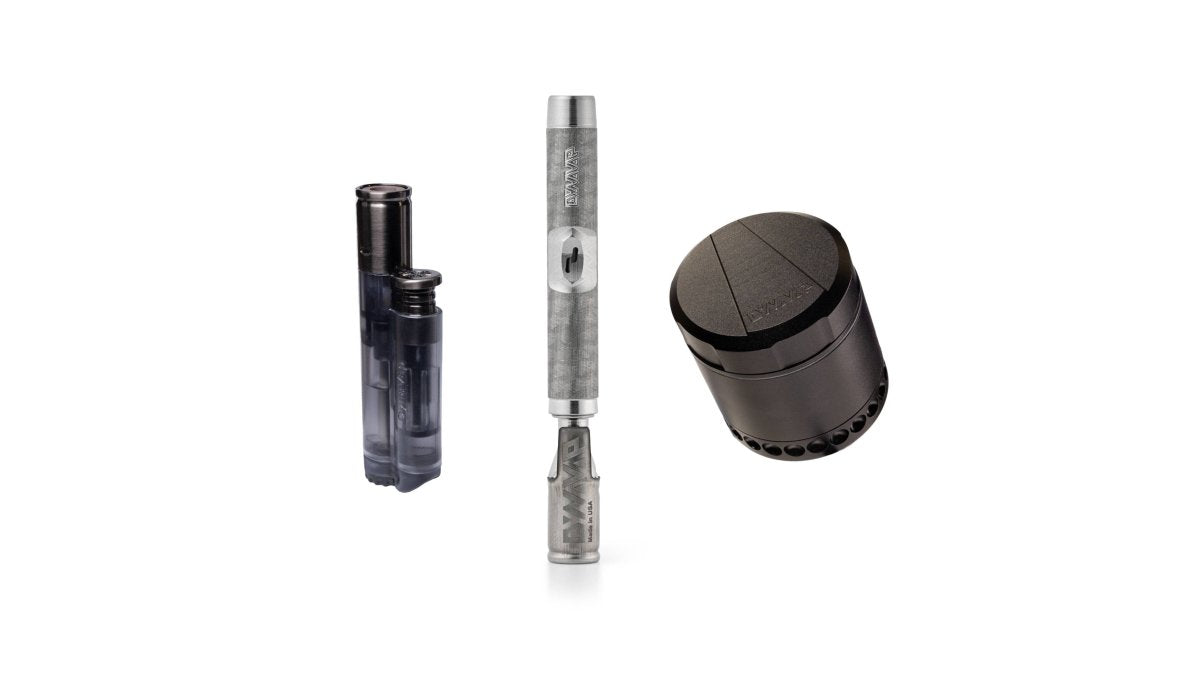
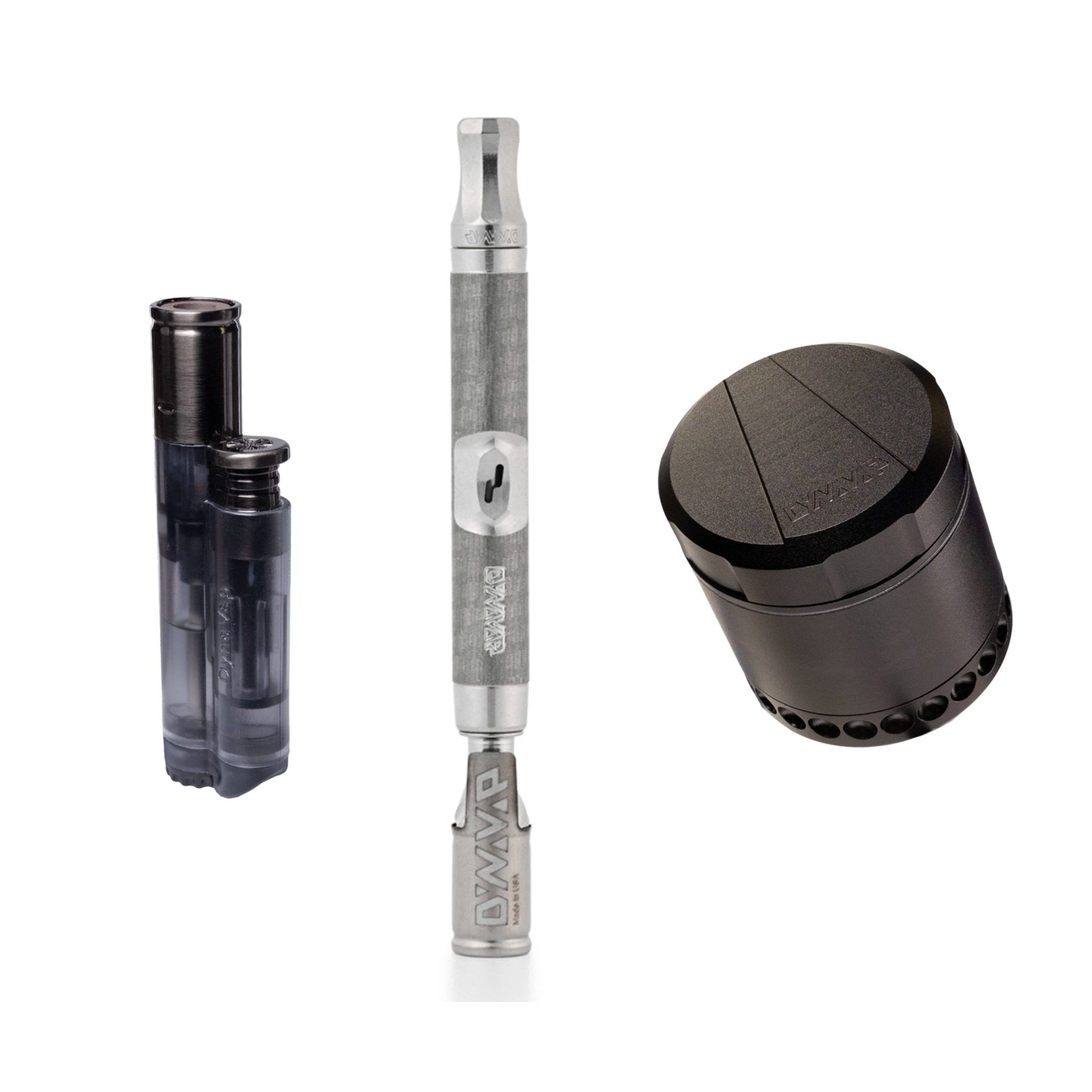
The DynaTorch is built for this job, with a single flame that's easy to control. If you're coming from a bigger jet lighter, expect to slow down. A gentle, even heat beats a fast blast every time.
DynaVap Induction Heater Guide: What Changes and What Stays the Same
Induction heaters take the flame out of the equation, but the click still rules. You drop the device in, wait for the click, and stop.
One thing to know: induction heaters do use a battery, so they need charging. They're brilliant for indoor sessions or when it's windy outside. A torch stays the better pick for travel and quick top-ups.
The YLL 3.0 Induction Heater with Batteries gives you that steady, repeatable heat. What stays the same is the click and the need to respect it. What changes is how forgiving the process feels.
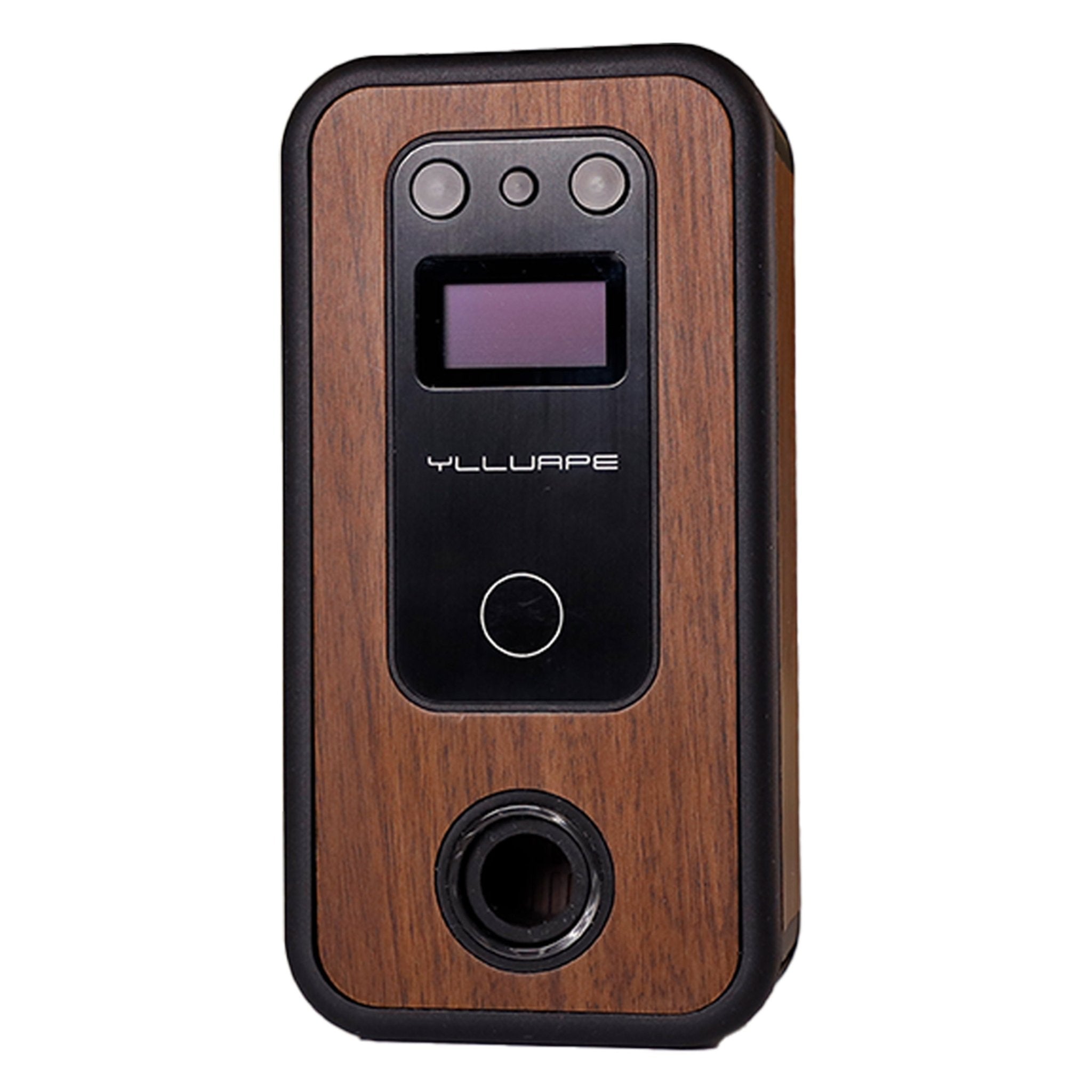
But that doesn't mean you can switch off. A few habits keep induction sessions safe and consistent:
- Check the battery level before you start, and charge it when it runs low.
- Keep the device seated properly in the heater.
- Wipe the Cap down between sessions.
An induction heater removes the flame but needs a battery, unlike a torch. That's the trade-off. A torch needs no charging, but it demands attention to flame placement. An induction heater needs a charged battery and a properly seated device. Either way, respect the click.
If you're moving from a torch to an induction heater, give yourself a session or two to adjust. The lack of flame can make you rush, but the click still comes when it comes. Wait for it, then stop. That single click during heat up and single click during cool down is your signal, just as it is with a torch.
Signs of Combustion in a Dry Herb Vaporiser and What to Do Next
Smoke, ash and a bitter taste are signs of combustion. If you catch it early, stop heating, let the device cool, and empty the tip.
Watch for these signals:
- Thin grey smoke instead of light vapour
- A harsh, burnt flavour on the first pull
- Blackened or ashy herb when you check the tip
- A lingering smoky smell
If it happens, don't panic. Let it cool fully, then clean the tip and Cap before your next session. Curious about how device design reduces the risk? Our guide on minimalist dry herb vaporizer design explains how the Cap regulates heat.
A replacement Cap also helps if yours has seen better days. A well-fitting Cap clicks reliably, and that click is your best defence against overheating.
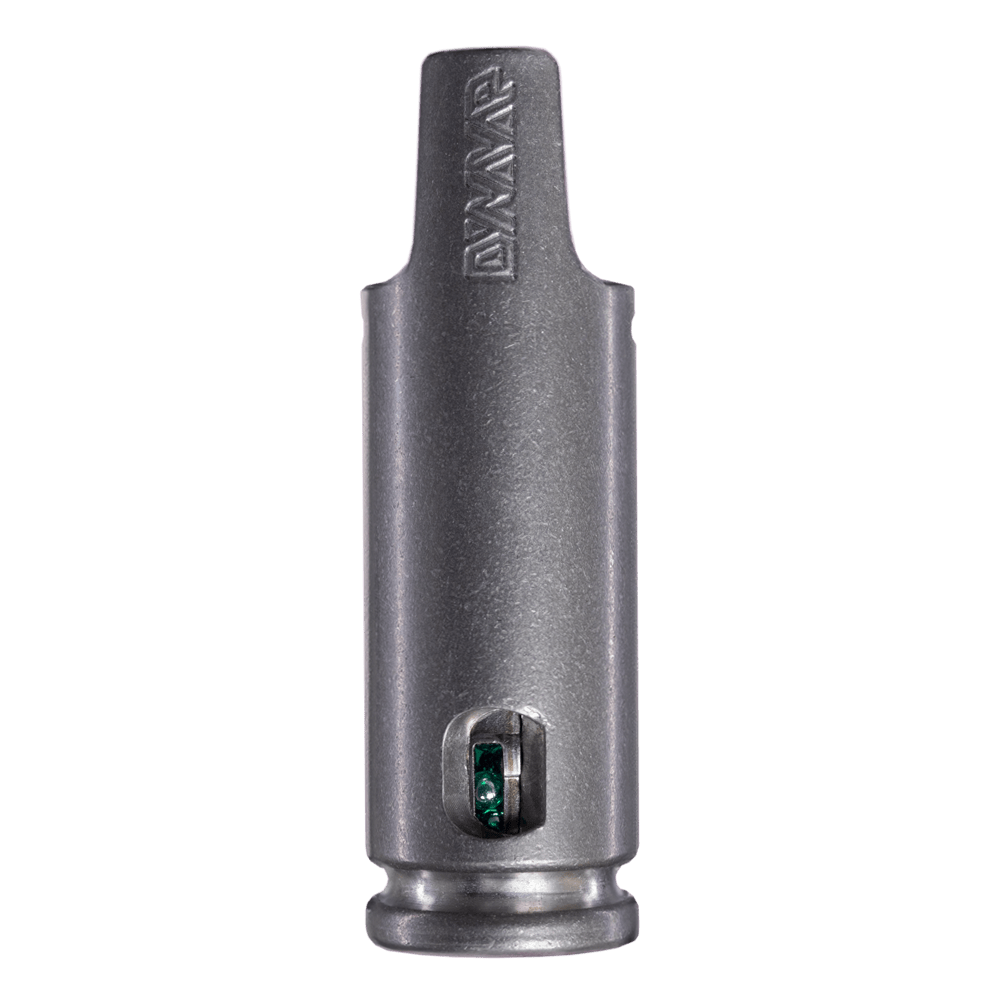
What most guides skip is what to do after combustion to make sure it doesn't become a habit. Here's a simple routine that turns a one-off into a lesson:
- Isolate and cool. Set the device down on a heat-safe surface and let it cool completely. Don't rush this by blowing on it or dunking it in water.
- Inspect the Cap and tip. Look for scorch marks, resin build-up, or a loose fit.
- Clean and reset. Wipe the Cap only, never soak it. Clean the tip and body and check that the tip is seated properly.
- Review your technique. Did you overpack? Did you hold the flame in one spot? Did you wait for a second click that never comes? Most combustion comes down to one of those three.
- Check your device's condition. If combustion happens repeatedly with the same device, inspect the Cap for damage.
Watch out: if you see smoke or smell burning during a session, stop heating immediately and let the device cool before handling the tip. Don't try to empty hot herb.
A routine inspection helps too. Check the Cap fit and wipe the tip and body regularly, and look for any resin build-up.
A DynaVap gives you a clear mechanical signal: the click. It depends on you respecting it and keeping the device clean.
If combustion happens, this simple routine turns a one-off into a lesson.
| Step | What to do |
|---|---|
| Isolate and cool | Set on a heat-safe surface, let cool completely |
| Inspect the Cap and tip | Look for scorch marks, resin build-up, loose fit |
| Clean and reset | Wipe the Cap only, never soak it |
| Review your technique | Overpacking, holding flame in one spot, waiting for a second click |
| Check device condition | Inspect the Cap for damage if it repeats |
Cleaning and Maintenance That Keeps Combustion Away
Keeping the device clean is a simple habit. A quick routine goes a long way.
Never soak the Cap. Wipe it down only. For the tip and body, a regular clean keeps airflow open and flavour fresh.
- Wipe the Cap with a cloth after sessions
- Clean the tip to keep the draw smooth
- Check the Cap fits snugly; a gentle squeeze fixes a loose one
- Store everything dry
Our storage and maintenance range has the bits that make this routine easy.
Choosing Your First DynaVap Setup
Start with the B2 or the M 7 and M 7 XL if you're new. Returning users may prefer the VonG X, WoodWynd or HyperDyn.
A starter pack takes the guesswork out of it. The M 7 XL Starter Pack bundles the device and essentials so you can get going straight away.
The 5 habits we've covered, loose packing, even heating, respecting the click, cleaning and choosing the right setup, are what keep combustion away. Nail those and you'll enjoy better sessions.
Ready to leave combustion behind? At DynaVap, we build battery-free vaporizers with a click-based indicator, modular design and durable construction, so you get a cleaner, more controlled experience. Rated 4.7/5 from 10,000+ reviews and trusted by over a million people worldwide, our devices are made to last. Get started with DynaVap and enjoy fuller flavour from every session.
Frequently Asked Questions
What causes a thermal vaporiser to combust?
Combustion almost always comes down to too much heat for too long. Holding a torch in one spot, heating past the click, packing the tip so tightly that air cannot move, or reheating a cap that has already clicked are the usual causes. Fix those four habits and you will avoid combustion in a thermal device almost every session.
How can I tell if my material has combusted?
The signs of combustion in a dry herb vaporiser are hard to miss: harsh acrid smoke rather than vapour, a burnt popcorn taste that lingers, and ash instead of browned material when you empty the tip. The vapour also turns thin and grey rather than thick and pale. If it happens, let the device cool fully, empty the tip, and wipe the cap down before your next session.
Can an induction heater help prevent combustion?
You still have to respect the click and stop heating when it sounds. Induction heaters do use a battery, so charge them before a long trip. A torch, such as the DynaTorch, needs no charging.
How should I pack a thermal vaporiser to avoid combustion?
Pack loosely. Fill the tip to about the rim with ground material and leave a small gap so air can pass through. A regular size tip holds roughly 0.1g, which is plenty for a session. If you tamp it down hard, the middle of the load overheats while the outside stays cool, and that is where combustion starts. A light, even fill heats far more predictably.