
Last Updated: November 7, 2026
Quick Summary
Long term performance of stainless steel devices depends on more than the alloy itself, including surface condition, cleaning habits and how the component is used. Stainless steel can resist corrosion, but no grade or finish is immune to damage. Routine inspection of surface, fit, airflow and seals helps show when a part needs attention.
- Stainless steel can resist corrosion, but it is not maintenance-free.
- Check surface, fit, airflow and seals during routine maintenance.
- Clean gently and avoid abrasive pads or forceful scraping.
- Wipe the Cap down only and never soak it.
- Clean, inspect, compare, then replace a part if damage or fit change remains.
Table of Contents
- What Long-Term Performance Means for Stainless Steel Devices
- Stainless Steel Corrosion Resistance and Why Grade Matters
- How Surface Finish and Manufacturing Affect Durability
- Repeated Use, Cleaning and Stress: What Wears a Device Down
- Stainless Steel Device Maintenance That Extends Service Life
- Stainless Steel Service Life and When to Replace a Part
- Keeping Your DynaVap Stainless Steel Tip in Top Condition
- Frequently Asked Questions
Long-Term Performance of Stainless Steel Devices Explained
What Long-Term Performance Means for Stainless Steel Devices
Long term performance of stainless steel devices depends on more than the alloy: surface condition, cleaning habits and the way a component is used all matter. At DynaVap, we make modular stainless steel dry herb vaporizers, so this guide focuses on practical care rather than medical-device claims. Stainless steel device performance is the ability of a component to keep working as intended through repeated use and routine maintenance. That means checking fit, airflow and visible condition, not assuming that a material name guarantees a particular lifespan.
Stainless steel devices are not all interchangeable. Grade, finish and component design influence corrosion resistance and wear, while the environment and cleaning process affect the surface over time. For a consumer device, the useful question is not simply “How long does stainless steel last?” It is “What should I inspect, and what care suits this part?”
A common mistake is treating “stainless” as “maintenance-free.” Stainless steel can resist corrosion, but that does not make every grade or finish immune to damage. Below, we explain how to assess the material, reduce avoidable wear and recognise when a part needs attention.
| What to check | What to look for | Practical response |
|---|---|---|
| Surface | Staining, pitting or rough patches | Clean gently; inspect again |
| Fit | Loose or unevenly seated parts | Check alignment and wear |
| Airflow | Unexpected restriction | Clean the relevant passage |
| Seals and screens | Deformation or damage | Replace the affected part |
Stainless Steel Corrosion Resistance and Why Grade Matters
Stainless steel corrosion resistance varies with alloy composition and surface condition; the label alone does not establish how a finished device will perform. For a consumer device, avoid assuming it is made from a particular grade unless the product information says so.
316L Stainless Steel Devices and Their Advantages
Check the manufacturer’s specification before relying on any grade claim for a particular component.
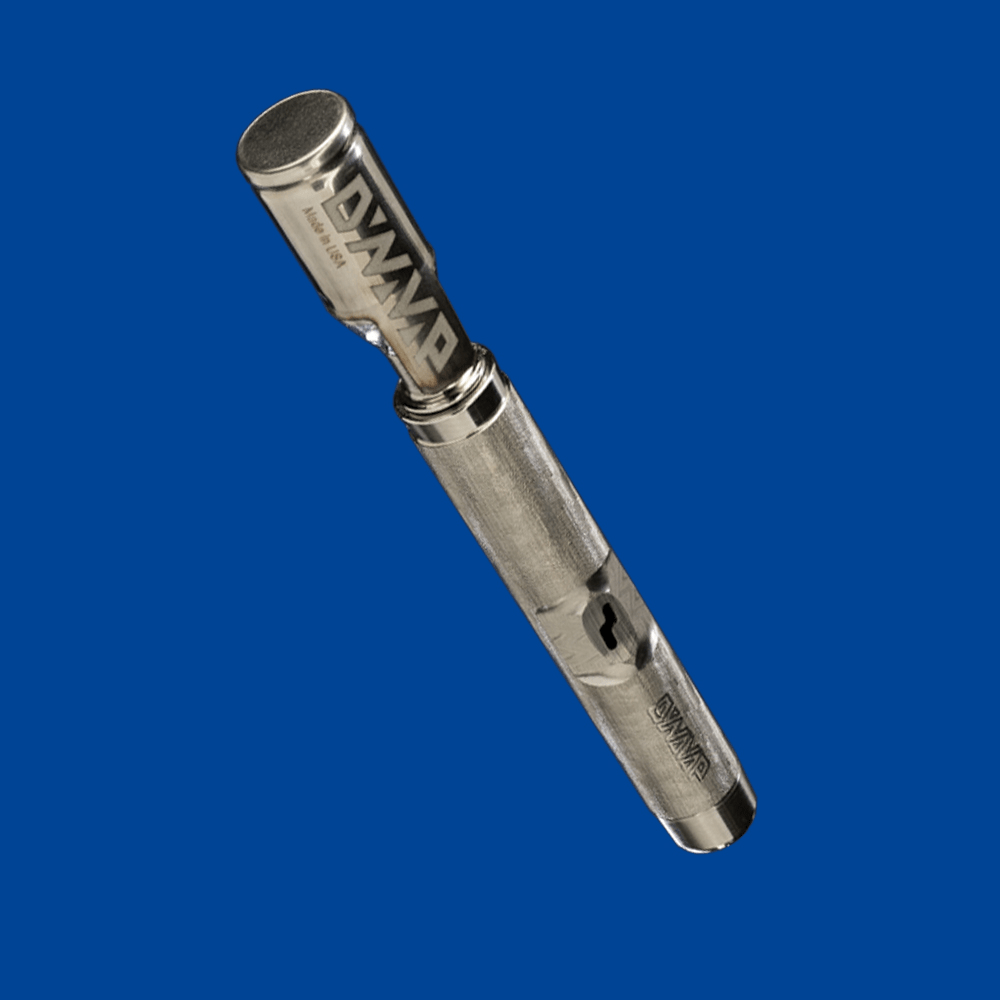
For everyday selection, focus on the stated material, the part’s function and how it will be cleaned. If you are comparing a DynaVap component, the Stainless Steel Tip: M 7 listing identifies the specific product material and design.

How Surface Finish and Manufacturing Affect Durability
Surface finish is one of the most under-discussed factors in long-term stainless steel performance. Two components made from the same grade can behave very differently over years of use depending on how the surface was prepared, finished and treated before assembly. For a consumer device, the useful question is not just "what grade is this?" but "how was this surface finished, and what does that mean for cleaning and wear?"
A smooth, consistent surface is easier to inspect and clean than one with tool marks, scratches or rough patches. Residue clings to imperfections, and those same imperfections can become initiation sites for pitting or crevice corrosion if moisture and contaminants sit there. That is why manufacturing process matters: machining, polishing, deburring and tumbling all leave different surface profiles, and each profile interacts differently with cleaning habits and environmental exposure.
Passivation is a surface treatment used with stainless steel to support the naturally forming passive layer that gives the material its corrosion resistance. Its presence should not be assumed for an individual product unless the manufacturer confirms it.
What most general material guides miss is the practical distinction between a material's potential and a finished part's condition. A well-chosen grade cannot compensate for poor fit or surface damage, and careful surface preparation cannot make every alloy suitable for every use. In a modular device, the fit between components, Tip to Cap, Tip to midsection, screen to Tip, matters as much as the alloy itself, because movement and repeated assembly can wear mating surfaces over time.
Gentle cleaning matched to the component is always the better long-term choice.
For a DynaVap component, the Stainless Steel Tip: M 7 listing identifies the specific product material and design. It should not be read as a guarantee of a particular service life; long-term performance still depends on how the part is cleaned, stored and handled. The practical takeaway is simple: treat surface condition as part of the device, not as a cosmetic detail, and inspect it alongside fit and airflow during routine maintenance.
Repeated Use, Cleaning and Stress: What Wears a Device Down
Repeated use does not wear a stainless steel device in a single predictable way. Instead, several mechanisms act together: surface residue builds up, mating parts move against each other during assembly and use, heat cycles expand and contract components, and cleaning introduces moisture and whatever is in the cleaning method. Understanding those mechanisms is more useful than looking for a universal cycle count, because no single number predicts when a particular part will need attention.
The main wear patterns to recognise are straightforward. Pitting shows as small, persistent dark spots that do not wipe away and often appear where residue has sat. Crevice effects show up where two surfaces meet, under a screen, around a seal, or where a Tip seats into a midsection, because those gaps hold moisture and residue longer than open surfaces. Mechanical wear shows as loosening fit, rounded edges on mating parts, or a screen that no longer sits flat. Thermal cycling from repeated heating and cooling is normal and expected, but it can gradually affect fit and seal condition over many uses.
Environmental and operational variables matter as much as the material. Water quality, storage conditions, handling and the cleaning method all change how a surface behaves over time. A device stored damp or cleaned with an aggressive method will age differently from one wiped down and stored dry. That is why the same grade can perform well in one routine and poorly in another.
Try this simple inspection after cleaning:
- Check the surface under good light for persistent staining or pitting that does not wipe away.
- Confirm removable parts sit in their intended position without rocking or looseness.
- Look for screens or seals that appear bent, split or misshapen.
- Check whether airflow or assembly feels different from usual.
- Stop using a visibly damaged part until you have checked the product guidance.
Watch out: a part that still looks fine but no longer seats correctly is a functional warning, not a cosmetic one. Fit and airflow changes are often the earliest sign that a component needs attention, well before visible damage appears.
This is where broad claims about "long-term performance" fall short: device lifespan depends on the part, its role and its use, not just the material family. A practical routine, clean gently, inspect in good light, compare fit and function with normal, and replace when damage remains, separates routine residue from real wear without guessing at a lifespan. For returning customers using the VonG X, WoodWynd or HyperDyn, the same inspection logic applies: check the mating surfaces and seals during routine maintenance, and treat any change in fit or airflow as a prompt to look closer.
Stainless Steel Device Maintenance That Extends Service Life
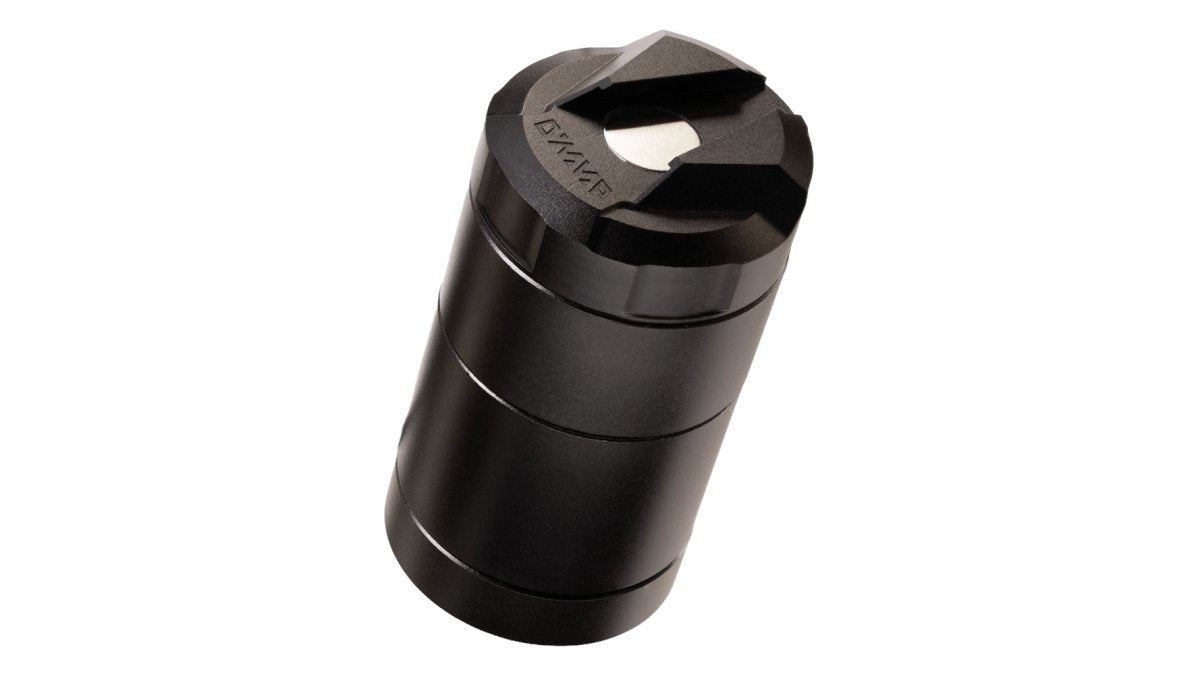
Stainless steel device maintenance works best when it is gentle, regular and matched to the component. Wipe the exterior with a suitable soft cloth, clear residue from accessible passages using the product’s care guidance, and inspect parts before reassembly. Do not soak the Cap; clean it with a wipe down only.
Avoid abrasive pads or forceful scraping, which can mark a surface. Seals, screens and the Cap have different roles, so follow instructions for each part. For step-by-step care, read how to clean a DynaVap vaporizer and how to clean a vaporizer Cap without water.
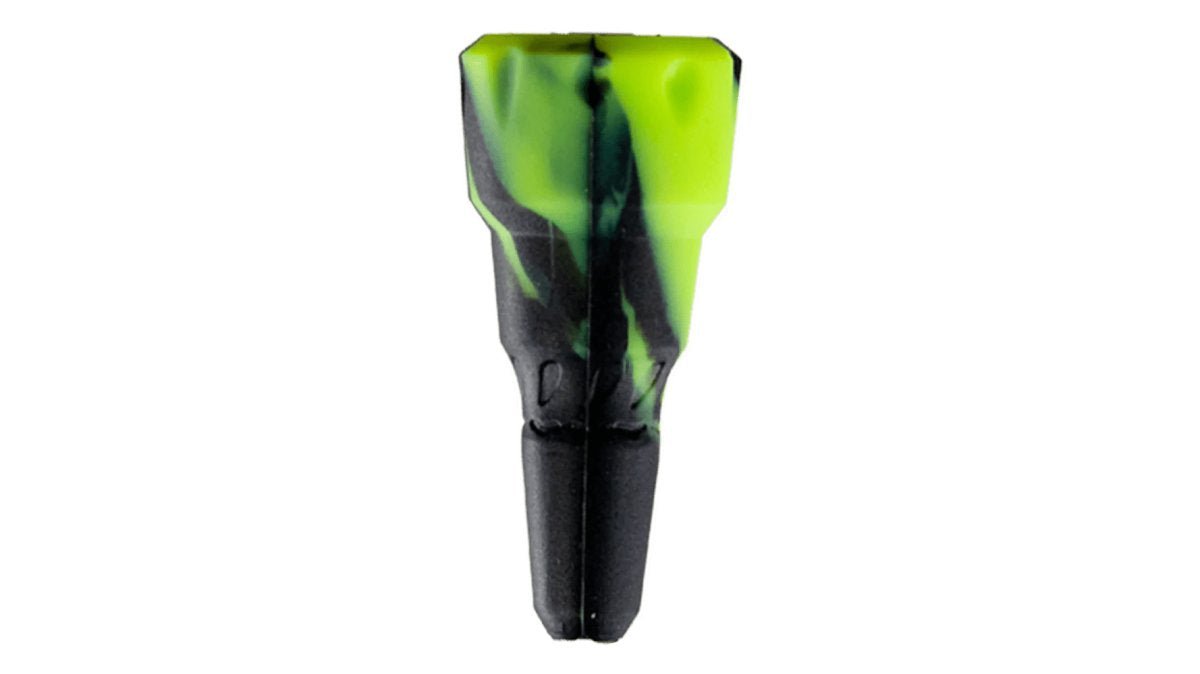
If an O-ring looks damaged or no longer sits correctly, inspect the matching component and replace it with a compatible part. The High-Temp O-Ring Kit comes standard on DynaVap Stainless Steel Tips (on The M), Titanium Tips and OmniVap Condenser and Mouthpiece Assemblies. Product-specific care instructions take precedence over general guidance.

Stainless Steel Service Life and When to Replace a Part
Stainless steel service life has no single reliable timetable: replace a part when damage, fit or function gives a clear reason, and follow the manufacturer’s guidance. Surface appearance alone can mislead. Residue may clean away, while persistent pitting, a distorted screen or a damaged seal can affect use.
A practical decision framework is clean, inspect, compare, replace. Clean the part using its instructions, inspect it in good light, compare its fit and function with its normal condition, then replace it if damage remains or function has changed. This helps separate routine residue from wear without guessing at a lifespan.
Do not keep using a component that is visibly damaged or will not fit as intended. For a worn screen, the Stainless Steel CCD replacement screens are listed as compatible with stainless steel and titanium Tips. Inspect the screen and use the product guidance to decide when to replace it.

Keeping Your DynaVap Stainless Steel Tip in Top Condition
A DynaVap stainless steel Tip benefits from careful handling, routine inspection and cleaning that follows its component-specific instructions. The M 7 Tip listing describes a finless design, added chamber mass and refined wall thickness intended to support heat retention and even extraction. Those are product design details, not a promise of a particular service life.
For a new customer choosing a stainless steel component, the M 7 Tip is the direct product match. Its listing also describes an adjustable bowl that can reduce chamber capacity by half. Check compatibility before fitting it to another component.
Keep the Cap to a wipe down only, and do not soak it. Inspect the Tip, screen and seals during routine maintenance; replace a part when it is damaged or no longer fits as intended. Stainless steel can be durable, but long term performance depends on treating each component according to its role.
A practical challenge with stainless steel devices is knowing which parts need cleaning and which need replacement. DynaVap offers modular components, including the M 7 stainless steel Tip, replacement screens and maintenance parts. Get started with DynaVap by choosing the component that matches your device and care needs.
Frequently Asked Questions
How long do stainless steel devices last?
Stainless steel devices can last for many years when they are made from a suitable grade, kept clean and dry, and handled with care. Lifespan depends on how often the device is used, how it is cleaned, and whether its surface stays intact. Inspect the device regularly for pitting, discolouration or loose fittings, as these are early signs that its service life is coming to an end and that a replacement part or device may soon be needed.
Does stainless steel corrode or tarnish over time?
Stainless steel resists corrosion because of a thin passive chromium oxide layer on its surface. This layer can be damaged by chlorides, residues left on the surface, and scratches, which may lead to tarnishing or small pits. Regular cleaning and drying remove the residues that cause problems. Staining that wipes away easily is usually cosmetic, while pitting or spreading discolouration should be treated as a sign of wear.
What is the difference between 304 and 316 stainless steel?
Both are common austenitic stainless steels, but 316 contains molybdenum, which improves resistance to chloride-containing environments and pitting. 316L is a low-carbon version of 316 that reduces the risk of sensitisation during welding. 304 remains suitable for many general-purpose uses where exposure is limited and cleaning is gentle.
How should stainless steel devices be cleaned and maintained?
Rinse the device after each use, wipe the surface with a soft cloth, and dry it thoroughly to prevent residue from sitting on the metal. Avoid abrasive pads that scratch the surface, as scratches can trap residue and encourage corrosion. Check seals, O-rings and screens regularly and replace them when they show wear. Keeping the device clean and dry is the single most effective step in protecting its long-term performance.