
Table of Contents
- Can You Reuse Vaped Dry Herb for Edibles?
- Is AVB Decarboxylated and Ready to Use?
- How to Store AVB Safely and Maintain Potency
- How to Make Edibles with AVB
- AVB Butter Recipe and Infusion Technique
- Common Mistakes to Avoid When Using AVB Edibles
- Maximising Your Material with DynaVap
- Frequently Asked Questions
Last Updated: October 5, 2026
Can You Reuse Vaped Dry Herb for Edibles?
Yes, you can absolutely reuse vaped dry herb edibles by infusing already-vaped material into oils, butters, and other recipes. After vaporizing, your material still contains cannabinoids that weren't fully extracted during the session. This leftover material, often called already-vaped bud (AVB) or ABV, can be infused into oils, butters, and other recipes to create edibles with real potency.

When you heat dry herb with a device like DynaVap, you're extracting cannabinoids through thermal extraction, but not everything. Some cannabinoids remain in the plant material, especially with brief sessions. Efficient devices matter because better extraction means less waste and more material available for reuse.
Why Residual Cannabinoids Remain After Vaping
Vaporization doesn't remove all cannabinoids from your material. Think of it like brewing tea: you can steep the leaves multiple times and still get flavour, even though the first steep is strongest.
Session duration matters: a quick heat extracts less thoroughly than a longer one. Finely ground herb extracts differently than loosely packed material. Device efficiency also varies, some vaporizers extract more completely, leaving less behind for reuse.
AVB colour indicates potency: lighter brown has more cannabinoids remaining, darker material has been more thoroughly extracted. Both work for edibles, but potency differs.
What Affects How Much Potency Stays Behind
Not all AVB is created equal. The amount of usable cannabinoids left depends on several variables working together.
Device type and heating method make a real difference. DynaVap uses torch or induction heating, giving you direct control over extraction depth.
Material quality affects what remains. Fresh, potent flower leaves more behind than lower-quality material. Fine grinding exposes more surface area for more complete extraction.
Session length and technique directly impact residual potency. A single quick draw leaves plenty behind; multiple draws extract more thoroughly. Packing density affects heat distribution.
Cannabinoid type matters too. Some THCa remains in the material after vaping, which is useful for edibles because edible preparation will decarboxylate any remaining THCa.
Is AVB Decarboxylated and Ready to Use?
AVB is already partially decarboxylated, vaporization has converted some THCa into active THC. You don't need to decarboxylate it again before using it in edibles.
However, it's not fully decarboxylated. Gentle heat during infusion completes the decarboxylation process. No-bake edibles won't fully activate remaining cannabinoids.
Use AVB in recipes with heat, butter infusions, baked goods, or warm oil infusions activate remaining cannabinoids better than cold mixing.
Assessing Your AVB: Colour, Aroma, and Condition
Before using AVB in edibles, check its condition. Colour is your first indicator.
Light brown AVB has the most remaining cannabinoids and produces noticeably potent edibles with better flavour.
Medium to dark brown AVB contains usable cannabinoids for moderate-potency edibles with less pronounced flavour.
Nearly black AVB has been very thoroughly extracted and produces lower-potency edibles; some people compost it instead.
Aroma matters too. Fresh AVB smells like toasted herb. Musty, sour, or off smells indicate mould or degradation, discard it.
Texture and dryness matter for storage. AVB should feel dry and crumbly. Discard any material that feels damp or shows visible mould.
How to Store AVB Safely and Maintain Potency
Proper storage keeps AVB usable for weeks or months. The main enemies are moisture, light, and heat.
Use airtight glass containers. Glass is better than plastic. Mason jars with tight-sealing lids work perfectly.
Store in a cool, dark place. A cupboard away from sunlight is ideal. Room temperature is fine; avoid warm spots.
Keep it dry. If AVB feels damp, spread it on a plate in a cool room for a few hours before storing. Don't use heat to dry it.
Label and date your containers. Write the date you collected the material. This helps you use older material first and track how long you've been storing it.
Moisture, Mould, and Storage Best Practices
Signs of mould: white fuzzy growth, dark spots, musty smell, or any visible discolouration beyond normal browning. If you see any of these, discard the material. Mould produces toxins that aren't safe to consume.
Prevention is simple. Keep containers sealed. Check stored material occasionally, open the jar, have a look, and reseal it. If you notice any moisture inside the jar, transfer the material to a new dry jar and discard the old one.
Shelf life: Properly stored AVB stays usable for 2-3 months. After that, cannabinoid degradation accelerates. It won't go bad suddenly, but potency drops noticeably. Use older material first.
Silica gel packets can help if you're storing material long-term or in a humid environment. Place a small packet in the jar to absorb excess moisture.
How to Make Edibles with AVB
Making edibles with AVB is straightforward. The most common approach is infusing it into fat, butter or oil, which then goes into recipes.
The basic process is: prepare your material, infuse it into fat over gentle heat, strain out the solids, and use the infused fat in any recipe that normally calls for butter or oil.
Grinding and Preparing Your Material
Start with clean, dry AVB. Pick through it briefly and remove any large stems or debris. You don't need to be obsessive, just remove obvious bits.
Grind it finely. Use a coffee grinder, food processor, or even a mortar and pestle. Fine grinding increases surface area, which means better infusion and more efficient extraction of remaining cannabinoids. Aim for a consistency like coarse flour.
Don't overdo the grinding. You want fine particles, not a powder that turns into sludge. Stop when it looks like breadcrumbs.
Measure your material. A typical starting point is 1 gram of AVB per serving of edible. This is a gentle starting amount. You can adjust based on the colour of your AVB and your own preferences.
Infusion Methods: Oil, Butter, and Alcohol
Butter infusion (cannabutter) is the most popular method. Butter absorbs cannabinoids well and works in nearly every recipe. You can bake with it, cook with it, or spread it on food.
Oil infusion works similarly. Coconut oil, olive oil, or other cooking oils all work. Oil is useful if you want to avoid dairy or prefer different recipes.
Alcohol infusion (tincture) is faster and more efficient but requires high-proof alcohol. The alcohol extracts cannabinoids quickly. You can then use the tincture in recipes, add it to drinks, or take it directly. This method is more advanced but very effective.
Each method involves gentle heat and time. The goal is to let the fat or alcohol extract cannabinoids from the AVB without overheating and degrading them.
AVB Butter Recipe and Infusion Technique
This is the most straightforward approach for making edibles. Cannabutter is versatile and simple to prepare.
Step-by-Step Cannabutter Preparation
What you need:
- 200g unsalted butter (roughly 7 ounces)
- 10-15g finely ground AVB
- A small saucepan
- A fine mesh strainer or cheesecloth
- A jar for storage
The process:
- Melt the butter gently. Place butter in a saucepan over low heat. You want it melted and warm, but not hot. If it starts to bubble vigorously, turn the heat down. Gentle heat preserves cannabinoids.
- Add your ground AVB. Stir it in thoroughly. The mixture should look like wet sand.
- Infuse for 1-2 hours. Keep the heat very low. You're aiming for a gentle warmth, not a simmer. Stir occasionally. The longer you infuse, the more cannabinoids extract into the butter. One hour is a good minimum; two hours extracts more thoroughly.
- Strain the material out. Pour the mixture through a fine mesh strainer lined with cheesecloth into a clean jar. Let it drain completely. You can gently squeeze the cheesecloth to extract the last bit of butter, but don't press hard, you'll force plant material through.
- Cool and store. Let the jar sit at room temperature until the butter solidifies. Then refrigerate. Cannabutter keeps for 2-3 weeks in the fridge, or longer in the freezer.
The result is infused butter ready for any recipe. Use it cup-for-cup in place of regular butter.
Dosing and Serving Size Guidelines
Dosing AVB edibles requires some guesswork because potency varies. The colour of your AVB, how thoroughly it was vaped, and how much you used all affect the final result.
Start low. With a new batch, make a small portion and test it. Use less material than you think you need. You can always make stronger edibles next time.
Track your material. If you used 10g of light brown AVB in 200g of butter, write that down.
Serving size. A typical serving of cannabutter edible is 1-2 tablespoons of the infused butter, depending on potency.
Onset time. Edibles take 1-2 hours to take effect, sometimes longer. Don't redose thinking it hasn't worked. Wait at least two hours before having more.
Effects duration. Edible effects typically last 4-8 hours, longer than vaporized material. Plan accordingly.
Common Mistakes to Avoid When Using AVB Edibles
Using wet or mouldy material. This is the biggest mistake. Mould is unsafe. Always check your AVB before using it. If there's any doubt, discard it.
Overheating during infusion. High heat degrades cannabinoids and can burn the butter or oil. Keep the temperature low and gentle.
Not grinding finely enough. Chunks of AVB don't infuse as well as fine particles. Take the time to grind properly.
Assuming all AVB is equally potent. It's not. Light AVB is stronger than dark AVB. Adjust your amounts accordingly, or test a small batch first.
Forgetting to strain completely. Plant material left in the butter or oil can affect flavour and texture. Strain thoroughly and let it drain fully.
Using too much material. More isn't always better. Start conservatively. You can make stronger edibles next time if needed.
Maximising Your Material with DynaVap
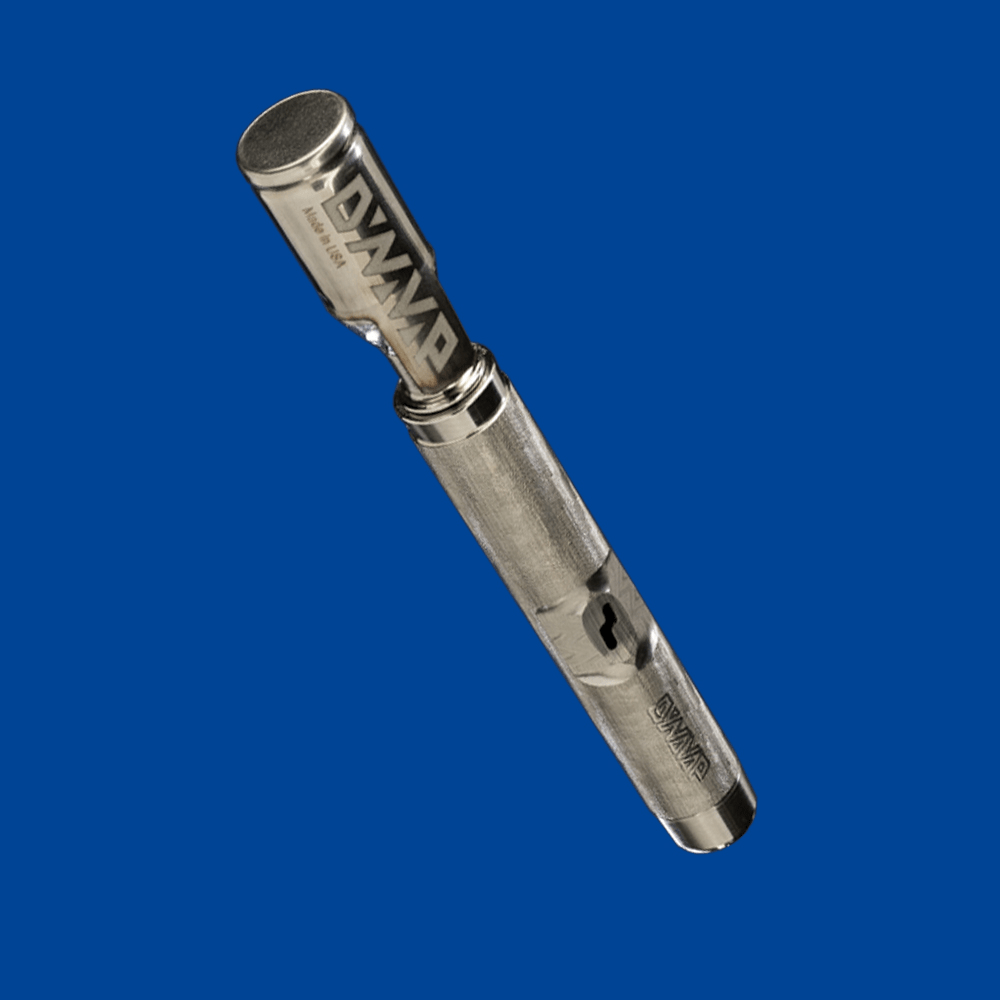
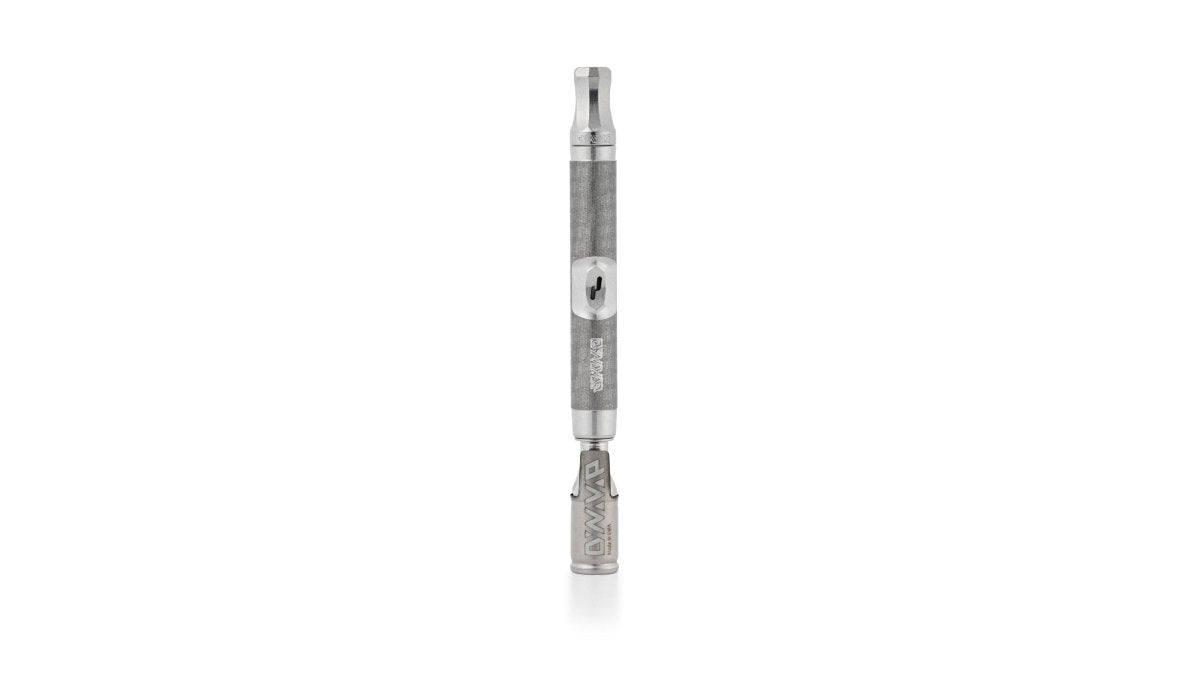
DynaVap devices are designed for efficient extraction, which means you get more usable material left over to reuse vaped dry herb edibles. The battery-free heating lets you control exactly how much you extract during each session.
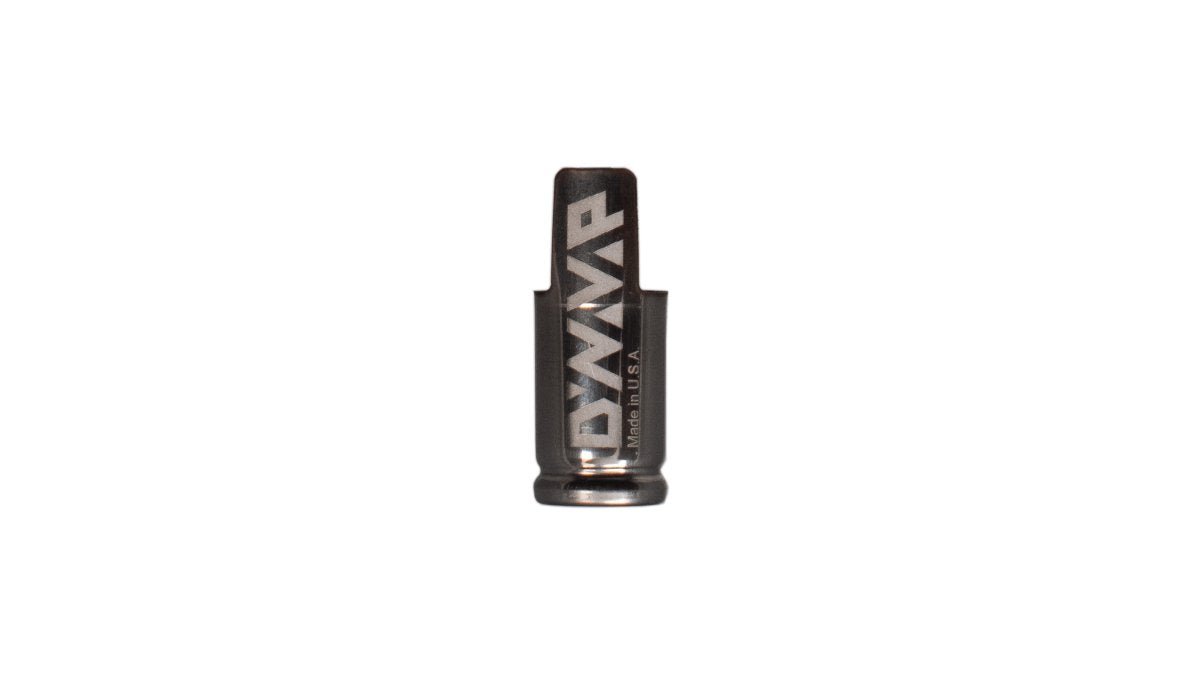
The modular design means you can experiment. Use the standard Tip (regular size, around 0.1g) for typical sessions.
Induction heaters offer another advantage: they use a battery, but the device itself is battery-free. Whether you use a torch or an induction heater, you're in control of extraction depth.
Over time, this efficiency adds up. You'll accumulate usable AVB that turns into quality edibles. It's one of the reasons why device choice matters, more efficient extraction means less waste and more material for reuse.
Frequently Asked Questions
Is AVB already decarboxylated and ready to use in edibles?
Yes, already-vaped bud is already decarboxylated during the vaping process. The heat from your vaporizer has converted inactive cannabinoids into active forms, so you can use AVB directly in edibles without additional decarboxylation. However, the potency varies depending on how thoroughly you vaped the flower and the colour of your AVB. Lighter-coloured AVB contains more residual cannabinoids than darker material.
How much AVB should you use in edibles?
Start conservatively: use roughly 1.5 to 2 times the amount of fresh flower you'd normally use, since AVB contains less potency than unvaped cannabis. For example, if a recipe calls for 7g of fresh flower, use 10-14g of AVB instead. Begin with a small serving and assess the effects before increasing your dose. Onset time for edibles can be 1-2 hours, so wait before consuming more.
Can you eat AVB straight without infusing it into butter or oil?
Technically yes, but it's not ideal. AVB is already decarboxylated, so you can consume it directly, but the taste is often unpleasant and earthy. Infusing it into butter, oil, or alcohol improves flavour and makes dosing easier. If you do eat it straight, mix it into foods with fat content (yoghurt, nut butter, chocolate) to improve absorption and taste.
How do you know if AVB has been vaped too much and isn't worth using?
AVB that's very dark brown or nearly black has had most of its cannabinoids extracted and won't produce noticeable effects in edibles. Look for medium to light brown AVB with a slight aroma—this indicates usable residual cannabinoids remain. If your AVB looks charred or smells burnt, discard it. Properly vaped material should retain a subtle, pleasant plant aroma.
Reusing vaped dry herb for edibles is practical and rewarding. You're getting more value from your material while reducing waste. Start with clean, properly stored AVB, infuse it carefully into butter or oil, and dose conservatively with your first batch. Once you've made edibles a few times, you'll develop a feel for potency and can adjust to your preferences. DynaVap's efficient extraction means you'll have plenty of usable material to work with.