
Last Updated: November 16, 2026
Quick Summary
Daily vaping is often cheaper than daily smoking, but the gap depends on your device, habits and how you buy. For vaping vs smoking, the annual cigarette total is the benchmark your vaping costs need to beat, and a battery-free device spreads its purchase price across repeated sessions.
- A mid-range pack of 20 cigarettes costs about £15, roughly 75p per cigarette.
- Smoking 20 a day costs about £455 a month and £5,475 a year.
- The M 7 at £99.00 adds a little over £8 a month in year one only.
- DynaVap devices stretch material up to 3x compared with combustion.
- Dual use is the most common reason people report smaller savings than expected.
Table of Contents
- Vaping vs Smoking Cost: The Short Answer
- What a Daily Smoker Spends on Cigarettes
- The Cost of Vaping Per Day
- Monthly Cost of Vaping and Smoking Side by Side
- Refillable Vape Cost Comparison: Devices, Kits and Running Costs
- First-Year Costs, Break-Even and Dual Use
- Where Switching Saves Less Than You Expect
- Work Out Your Own Numbers Before You Switch
- Frequently Asked Questions
Vaping vs Smoking Cost: The Short Answer
Daily vaping is often cheaper than daily smoking, but the gap depends on your device, your habits and how you buy. Here at DynaVap, we get asked "is vaping cheaper than smoking cigarettes daily" more than almost any other question, and the honest answer is that it depends on what you're switching to.
A battery-free dry herb device changes the maths significantly.
The comparison depends on three things: what you pay for cigarettes, what device you choose, and how much material you actually get through each day. Get those three numbers right and the rest is simple arithmetic.
What the Comparison Depends On
Most cost comparisons fail because they compare the wrong things. They pit a cheap disposable against a premium cigarette brand, or they ignore the device purchase entirely.
A fair comparison uses your real cigarette spend, your real usage, and the full cost of the device including how long it lasts. Our devices are built from stainless steel and have no electronics, so the purchase price can be spread over repeated sessions.
That's the core of the vaping vs smoking cost question: not the sticker price, but the cost per session across the life of the device.
What a Daily Smoker Spends on Cigarettes
A daily smoker's spend rises with pack price and cigarettes per day, and both have climbed steadily. To make the comparison honest, it helps to put real numbers on the table rather than talk in vague terms.
Start with the price of a single cigarette. A mid-range pack of 20 in the UK typically costs a figure the reader should check against their own receipt, and the per-cigarette cost scales directly with pack price. Premium brands push that higher, and budget lines sit a little lower, but the per-stick figure is the number that matters because it scales directly with how much you smoke.
Pack Prices and Cigarettes Per Day
The variables are simple. Pack price multiplied by packs per week gives your weekly spend. Multiply by 52 for the annual figure. Here's how that plays out across three common patterns, using a mid-range pack price of about £15 for 20 cigarettes (roughly 75p per cigarette):
| Cigarettes per day | Daily spend | Weekly spend | Monthly spend (approx.) | Annual spend (approx.) |
|---|---|---|---|---|
| 10 a day | £7.50 | £52.50 | £228 | £2,738 |
| 15 a day | £11.25 | £78.75 | £341 | £4,106 |
| 20 a day | £15.00 | £105.00 | £455 | £5,475 |
A heavier smoker on twenty a day spends roughly double a lighter smoker on ten. That's obvious, but it matters for the comparison: the more you smoke, the bigger the potential savings from switching, and the faster a device pays for itself.
UK government guidance on tobacco duty rates
Watch out: pack prices vary by shop, region and brand, and duty changes land most years, so treat these as illustrative rather than fixed. Pull your own pack price off the till receipt and redo the multiplication, it takes thirty seconds and makes the rest of the comparison meaningful.
Why the Annual Figure Matters More Than the Daily One
A daily spend of £7.50 or £15 feels manageable in isolation. The annual figure is what exposes the real cost of the habit, and it's also the number that makes a one-off device purchase look small by comparison. When you're deciding whether vaping is cheaper than smoking cigarettes daily, the annual cigarette total is the benchmark your vaping costs need to beat, not the price of a single pack.
The Cost of Vaping Per Day
Daily vaping cost comes down to material use, not device price. A battery-free device with a standard 0.1g tip chamber uses a fraction of what combustion consumes per session, and that's where the saving lives.
Because there's no battery and no electronics, nothing degrades except the parts you can replace. Heat the cap with a torch or an Induction Heater until it clicks, inhale, and wait for the cool-down click before the next round.
The daily cost of vaping with a DynaVap device is largely the cost of your material divided by how many sessions it stretches to. Most people find it goes considerably further than they expect.
Monthly Cost of Vaping and Smoking Side by Side
Monthly spending is where the difference becomes obvious. Smoking costs scale directly with how much you smoke. Vaping costs scale with material use, and efficient extraction means less material per session.
Because a DynaVap device extracts from your material rather than burning through it, most people find a small amount goes considerably further than they expect. The table below is an illustrative pattern, not a measured figure. Your own material costs and session pattern will determine your actual spend.
| Usage pattern | Smoking: monthly | Vaping: monthly (year one, device included) | Vaping: monthly (year two onward) | Notes |
|---|---|---|---|---|
| Light (5-10 a day) | £114-£228 | £95-£130 | £60-£90 | Savings grow once the device is paid off |
| Moderate (10-20 a day) | £228-£455 | £110-£160 | £75-£110 | Break-even typically within a few months |
| Heavy (20+ a day) | £455+ | £140-£190 | £100-£140 | Fastest payback, largest annual saving |
| Dual use | Mixed | Partial saving | Partial saving | Savings depend on how much you still smoke |
The pattern holds: the more you currently smoke, the more a switch saves you each month. The gap between cigarette spend and vaping spend grows with how much you currently smoke, and is most visible once you run the numbers on your own usage.
Where the Vaping Figure Comes From
The monthly vaping number is material cost plus a share of the device price. A device like the M 7 at £99.00, spread across twelve months, adds a little over £8 a month in year one and nothing after that. Material is the recurring cost, and it's the part that responds to how efficiently you extract. Because the device extracts from your material, the same amount can go further.
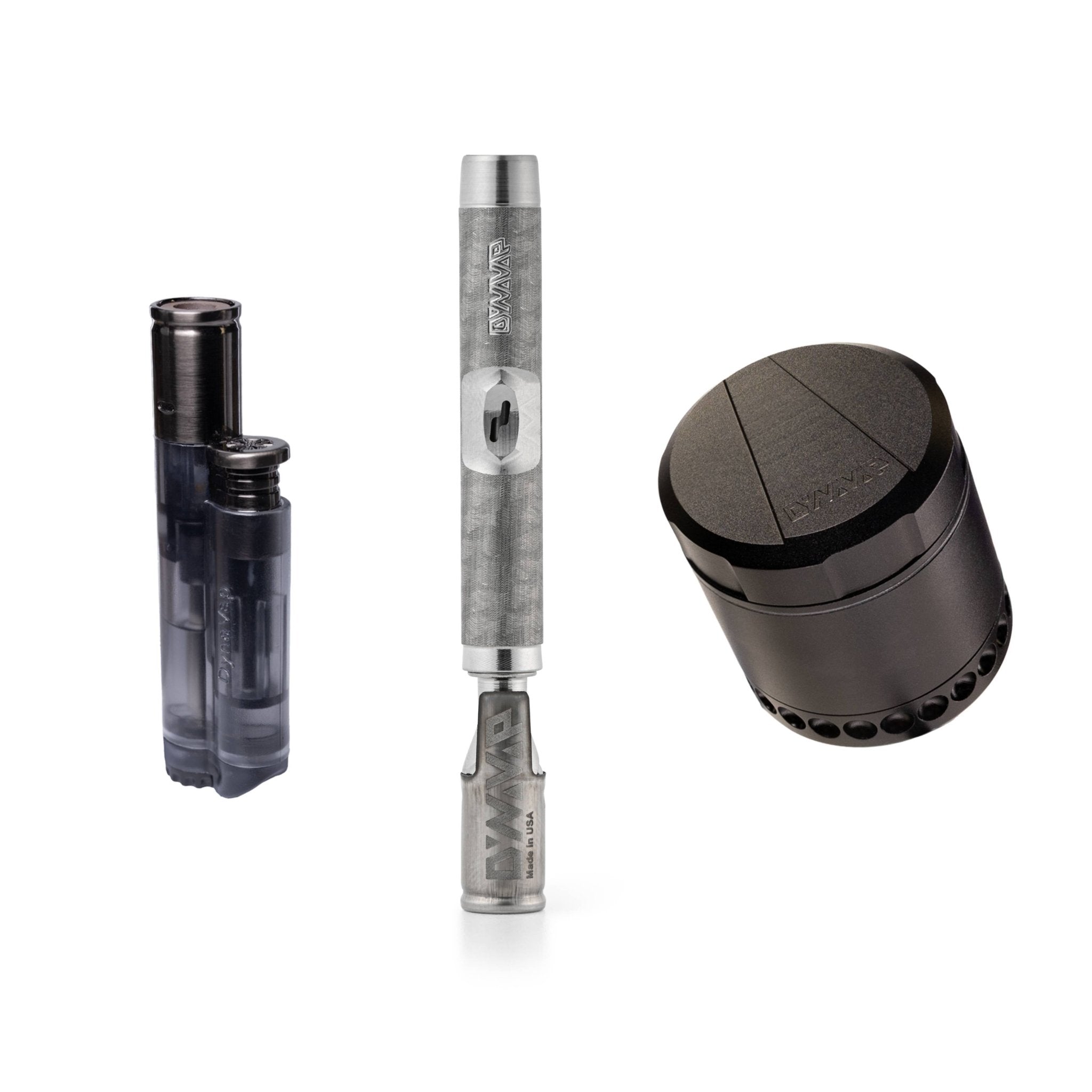
If you want everything in one box, the M 7 Starter Pack bundles the device, a tin case, a torch and a grinder so there's nothing else to buy on day one, which keeps the year-one monthly figure predictable.
Sensitivity: What Changes the Numbers
Three things move the monthly comparison most. First, how much you smoke now, heavier smokers see the biggest gap. Second, how much material you get through per session; a lighter session pattern pulls the vaping figure down further. Third, whether you buy a disposable or a reusable device. Disposables feel cheap at the till and expensive over a year because you pay for new hardware every time, whereas a reusable device spreads its cost across every session.
Watch out: if you keep buying cigarettes alongside your device, the monthly saving shrinks in proportion to how much you still smoke. Dual use is the single most common reason people report smaller savings than they expected, so it's worth being honest with yourself about the split before you run the comparison.
Refillable Vape Cost Comparison: Devices, Kits and Running Costs
Refillable devices win on running costs because you're buying material, not paying for disposable hardware every time. A reusable device has a higher upfront cost and a much lower cost per session.
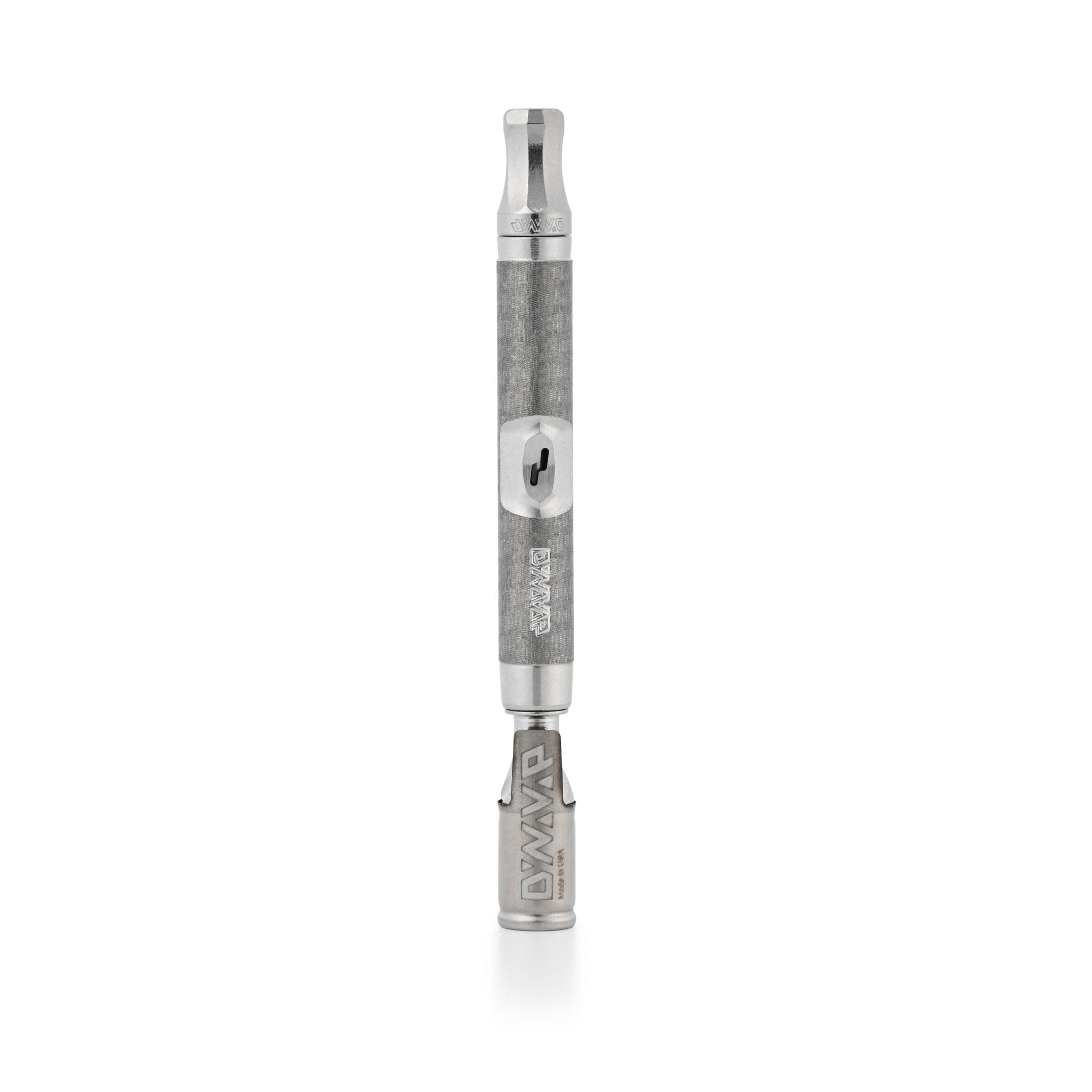
Our range reflects that logic. The B2 at £69.00 is a friendly entry point with a 0.075g chamber and a silicone stem. The M 7 at £99.00 is our flagship stainless steel device with a 0.1g chamber.
If you want everything in one box, the M 7 Starter Pack bundles the device, a tin case, a torch and a grinder so there's nothing else to buy on day one.
Disposable vs Reusable: Where the Money Goes
Disposables can feel cheap at the till, and each one is a new purchase.
A reusable device spreads its cost across every session you'll ever have with it. The M 7 XL is a reusable device rather than a disposable, so it is designed to be used across many sessions.
Best for: anyone who's done buying the same thing repeatedly. Skip if: you genuinely only vape a handful of times a year.
First-Year Costs, Break-Even and Dual Use
First-year cost is device plus material. After that, it's material only, which is why year two always looks better than year one.
Break-even arrives when your cumulative vaping spend drops below what you'd have spent on cigarettes, and how quickly that happens depends on your own usage.
Dual use complicates it. If you're still buying cigarettes alongside your device, your savings are partial until you drop the cigarettes entirely. Browsing kits is the simplest way to cut the upfront cost and shorten that break-even window.
Where Switching Saves Less Than You Expect
Switching saves less when you buy more hardware than you need, chase upgrades, or keep smoking alongside. The device isn't the expensive part over time, your habits are.
A common mistake is buying a complex electronic device that needs replacing when the battery dies. Battery-free means one less thing to repurchase.
What most guides miss is that efficiency, not price, drives the saving. Our devices stretch material up to 3x compared with combustion, so the same amount goes further.
Work Out Your Own Numbers Before You Switch
Run your own figures before you commit. Take your weekly cigarette spend, multiply by 52, then compare that to a device price plus a year of material.
If you're weighing up two models, our M7 vs M7 XL comparison breaks down the differences so you can pick the one that fits your sessions.
A battery-free device with a 90-day money-back guarantee is a way to test the idea for yourself. Antony D. put it simply: "It looks the beauty but acts like a beast."
Ready to see what daily vaping actually costs you? Start with the M 7 or M 7 XL and let the click do the work. Our devices are battery-free, built from stainless steel, and backed by a 90-day money-back guarantee.
Frequently Asked Questions
Is vaping cheaper than smoking cigarettes every day?
For most daily smokers, yes, once the device is paid for. A pack-a-day habit runs into thousands of pounds a year at current pack prices, while a reusable dry herb device plus your material costs far less per session. The gap widens the longer you use the device, because there is no repeat purchase of cigarettes. The saving is smaller if you only vape occasionally or keep smoking alongside, so run your own cigarettes-per-day figure through the comparison before deciding.
How much does vaping cost per day with a reusable device?
The cost of vaping per day splits into a one-off device price and ongoing material. A DynaVap B2 or M 7 is a single purchase, and because the chamber holds around 0.1g, you use noticeably less material per session than you would roll into a joint. Divide your device price across the months you expect to use it, add your daily material, and that is your true daily figure. Most people find it lands well below a pack of cigarettes.
Is a refillable vape cheaper than disposables?
A refillable vape cost comparison usually favours reusable devices over time. Disposables carry a built-in replacement cost every time one runs out, and that adds up quickly for a daily user. A reusable device such as the M 7 or M 7 XL is bought once, heated with a torch or an induction heater, and refilled from your own supply. Induction heaters do use a battery, so factor charging into your routine, but the device itself has no battery to replace.
Does switching from smoking to vaping always save money?
No. Dual use is the main reason savings shrink: if you vape and still buy cigarettes, you carry both costs. Buying a premium device and then using it rarely also delays the break-even point. The saving shows up when the device replaces cigarettes rather than sitting alongside them. Track your spending for the first month, compare it with your old pack spend, and adjust your usage rather than assuming the switch pays for itself automatically.