
Last Updated: November 13, 2026
Quick Summary
To make your dry herb last longer, store it in a sealed glass jar in a cool, dark place, away from light, heat and air. Grind only what you need, pack loosely, and start with a light fill of about 0.1g. Clean your device after each session.
- Store herb in a sealed glass jar kept cool, dark and away from heat.
- Keep jars full rather than half empty to reduce air exposure.
- Grind small batches and pack loosely without pressing hard.
- Start with a standard tip in the 0.1g range and adjust slowly.
- Wipe the cap and brush the airpath after each session.
Table of Contents
- Why Dry Herb Runs Out Faster Than It Should
- How to Store Dry Herb So It Stays Fresh
- Grinding and Packing Your Chamber Efficiently
- How Much Herb to Put in a Vaporiser
- Cleaning Your Dry Herb Vaporiser Step by Step
- Can You Reuse Vaped Herb?
- Troubleshooting Common Lifespan Problems
- Your Next Step: Setting Up a Simple Maintenance Routine
- Frequently Asked Questions
Why Dry Herb Runs Out Faster Than It Should
Dry herb often disappears faster than people expect. Most of the time, the cause is not the device but how the herb is stored, ground and packed. Small habits can make a real difference to how long your stash lasts.
Herb left in the open can dry out and lose flavour. Chambers packed too tightly can waste material. Herb that is not prepared well can run out sooner than it needs to.
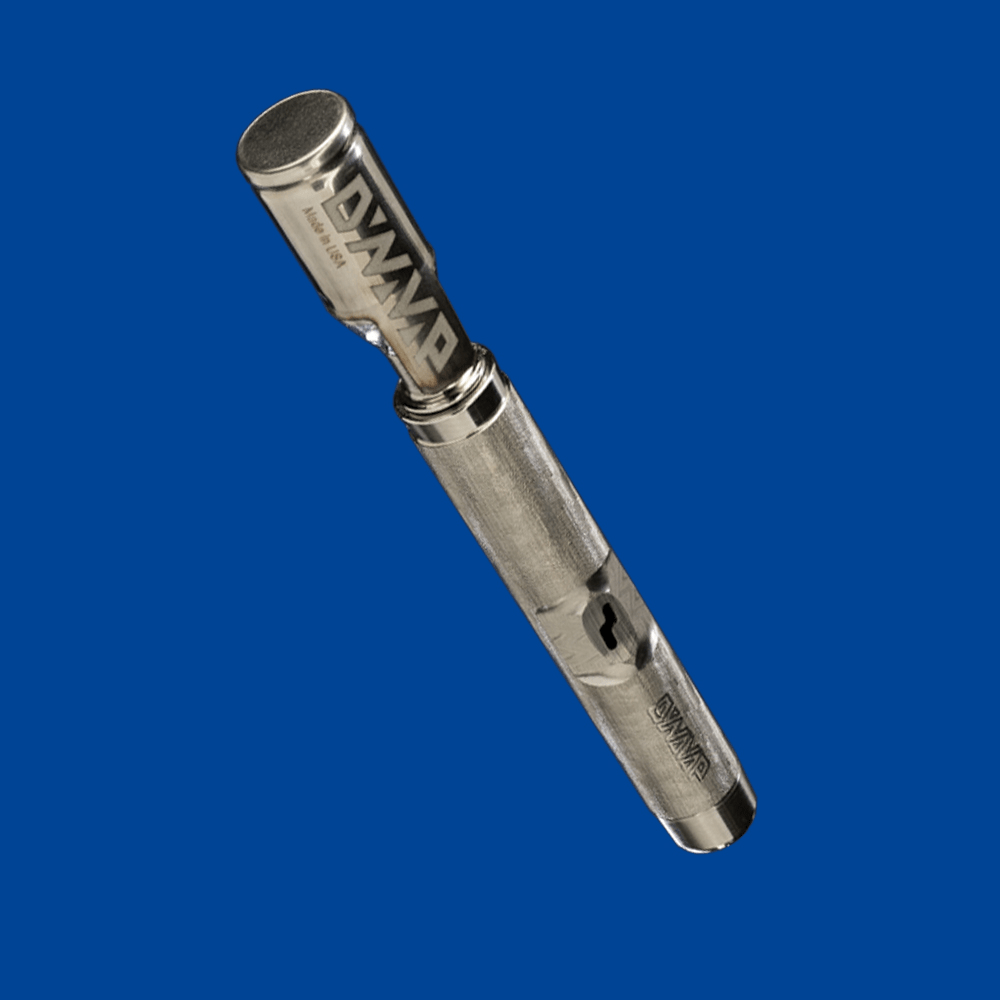
This guide from DynaVap covers practical ways to get more from every gram. The first step is understanding where herb is lost, so you can fix the right problem.
- Herb left open to air loses moisture and flavour
- Coarse or uneven grinds burn unevenly and waste material
- Overpacked chambers use more herb per session
- Old or stale herb gives weaker sessions, so people use more
How to Store Dry Herb So It Stays Fresh
Storage is the easiest way to protect your stash, and it is also where most people lose herb without realising it. The goal is simple: keep the herb at a stable moisture level, away from light, heat and air. A small airtight glass jar is a good option for home storage, because glass does not hold odours and seals well.
Herb left in the open can dry out quickly, while herb kept sealed in a cool cupboard lasts longer. The three things that degrade herb fastest are light, heat and fluctuating humidity. A kitchen windowsill or a warm car is the worst place you can keep it.
For day-to-day use, a discreet storage case with O-ring seals is ideal when you are out and about. For longer-term storage, keep the jar full rather than half empty, because less air inside means less moisture exchange. If you live somewhere humid, a moisture-control pack can help, but keep it separate from the herb rather than mixed in.
Signs your herb is past its best include a dry, crumbly texture, a faded smell, and a session that feels weak or harsh. If you notice these, the herb has lost moisture and flavour, and no amount of device tuning will bring it back.
- Use a sealed glass jar for home storage and an O-ring case for travel
- Keep herb cool, dark and away from direct light and heat
- Store jars full rather than half empty to reduce air exposure
- Check texture and smell every few days and use older herb first
Watch out: a moisture-control pack is not a fix for herb that has already dried out, so rotate your stash and use the oldest material first rather than trying to revive it.
Grinding and Packing Your Chamber Efficiently
How you grind and pack your herb affects how much you use. A fine, even grind heats more evenly and gives a fuller flavour. Coarse chunks can leave gaps and burn unevenly.
Pack your chamber gently. Fill it evenly, but do not press the herb down hard. Tight packing blocks airflow and makes the session harder to draw, which often leads people to use more herb to get the same result.
A practical tip is to grind only what you need for each session. Ground herb loses its freshness faster than whole buds, so small batches keep the flavour better.
- Grind to a fine, even consistency
- Pack loosely and evenly, without pressing hard
- Grind small batches to keep freshness
How Much Herb to Put in a Vaporiser
A common mistake is using too much herb per session. A standard chamber does not need to be full. Start with a light fill and adjust from there.
For most DynaVap users, a regular-sized tip in the 0.1g range is a good starting point. Use that as your baseline, then change the amount only if the session feels too weak or too heavy.
Smaller, more consistent loads can help you get more from your stash.
- Start with a light fill rather than a full chamber
- Use a standard tip in the 0.1g range as your baseline
- Adjust slowly, one small change at a time
Cleaning Your Dry Herb Vaporiser Step by Step
Clean your device regularly so it heats and draws well. Residue builds up over time and can affect flavour and airflow, and a clogged airpath makes sessions feel weak even when the herb is fine. A simple daily, weekly and monthly rhythm keeps things easy without turning cleaning into a chore.
After each session, let the device cool fully, then brush loose residue from the chamber and airpath with a soft brush and wipe the mouthpiece. Check the O-rings for wear from time to time.
Here is a simple routine:
- Let the device cool fully before you start.
- Remove the cap and wipe the outside with a dry or lightly damp cloth.
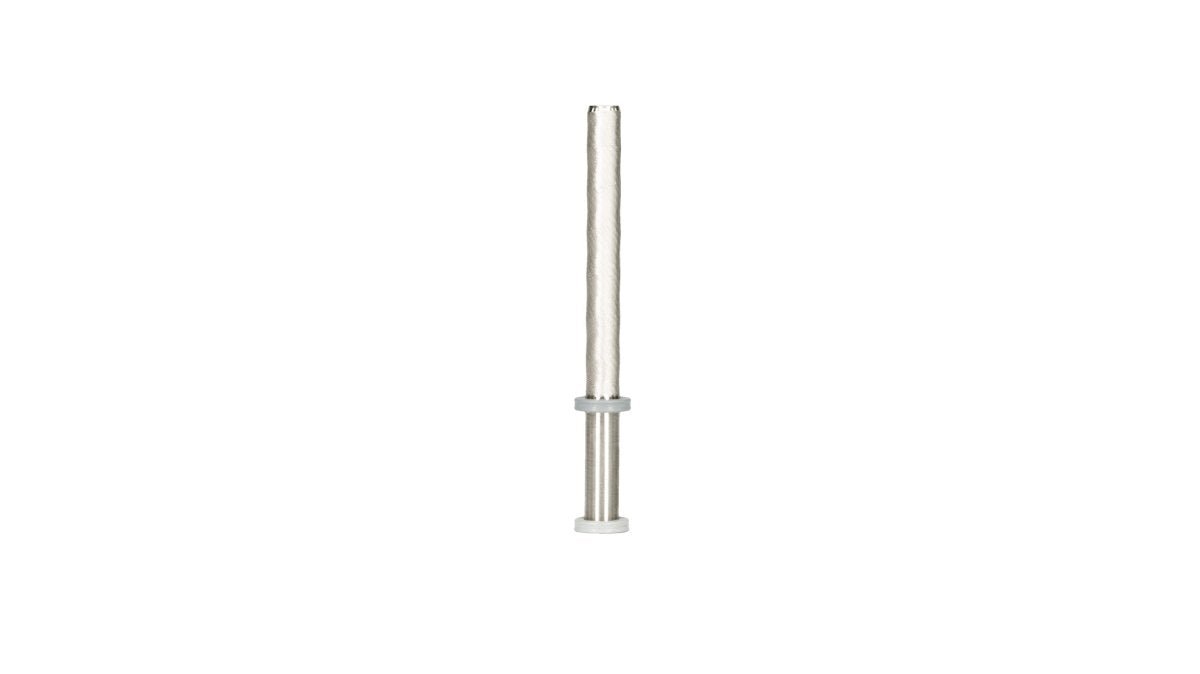
- Use a soft brush to clear loose residue from the chamber and airpath.
- Wipe the mouthpiece clean after each session.
- Let everything dry fully before reassembling.
Never soak the cap. Clean it with a wipe down only, so water and cleaning fluids do not get inside the device. Keep the cleaning routine light and regular rather than deep and occasional. Cleaning instructions vary by model, so check your device's guidance if you are unsure which parts are removable.
- Clean after sessions, not just when the device looks dirty
- Use a dry brush for loose residue and wipe the cap, do not soak it
- Let parts dry fully before reassembling
- Check O-rings and worn parts monthly
Watch out: water or cleaning fluid left inside the cap or airpath can affect performance, so always dry parts fully before you reassemble and use the device.
A simple routine keeps your device heating and drawing well, and the steps below show what to do at each stage.
| Step | What to do | Timing |
|---|---|---|
| Cool down | Let the device cool fully before starting | Before cleaning |
| Clear the chamber | Brush loose residue from chamber and airpath | After each session |
| Wipe the cap | Wipe outside with dry or lightly damp cloth | After each session |
| Clean mouthpiece | Wipe mouthpiece clean | After each session |
| Dry parts | Let everything dry fully before reassembling | Before reassembling |
| Check O-rings | Look for wear | Monthly |
Can You Reuse Vaped Herb?
Many people ask whether they can use herb a second time. The short answer is that already-vaped herb, often called AVB, has lost much of its flavour and potency. It can still be useful in some cases, but do not expect the same session as fresh herb.
If you choose to reuse it, keep it separate from fresh stash so you can tell the two apart. Mixing them makes it harder to judge how much you are using.
Used herb is best treated as a lighter option rather than a full replacement for fresh material.
- Already-vaped herb has much less flavour
- Keep reused herb separate from fresh stash
- Use it for lighter sessions, not full ones
Troubleshooting Common Lifespan Problems
If your herb runs out quickly, check a few common causes first. Stale herb, overpacked chambers and uneven grinds are the usual suspects. Fix these before you assume the device is at fault.
If sessions feel weak, the herb may have dried out or lost its flavour. Try fresher material stored in a better container. If the draw feels restricted, clean the airpath with a dry brush and check the chamber for blockages.
Battery problems are usually a separate issue. Induction heaters do use a battery, so keep them charged.
Our general guide to dry herb vaporiser maintenance covers more detail on keeping your device in good working order.
- Check whether the herb is stale before changing anything else
- Clear a restricted airpath with a dry brush
- Keep induction heaters charged and stored cool
Your Next Step: Setting Up a Simple Maintenance Routine
Small, regular habits do more to extend your herb and device than any single fix. Start with storage, then build in quick cleaning after each session.
Here is a simple routine to follow:
- Store herb in a sealed, cool, dark container
- Grind only what you need for each session
- Pack loosely and use a standard tip in the 0.1g range
- Wipe the cap and brush the airpath after each session
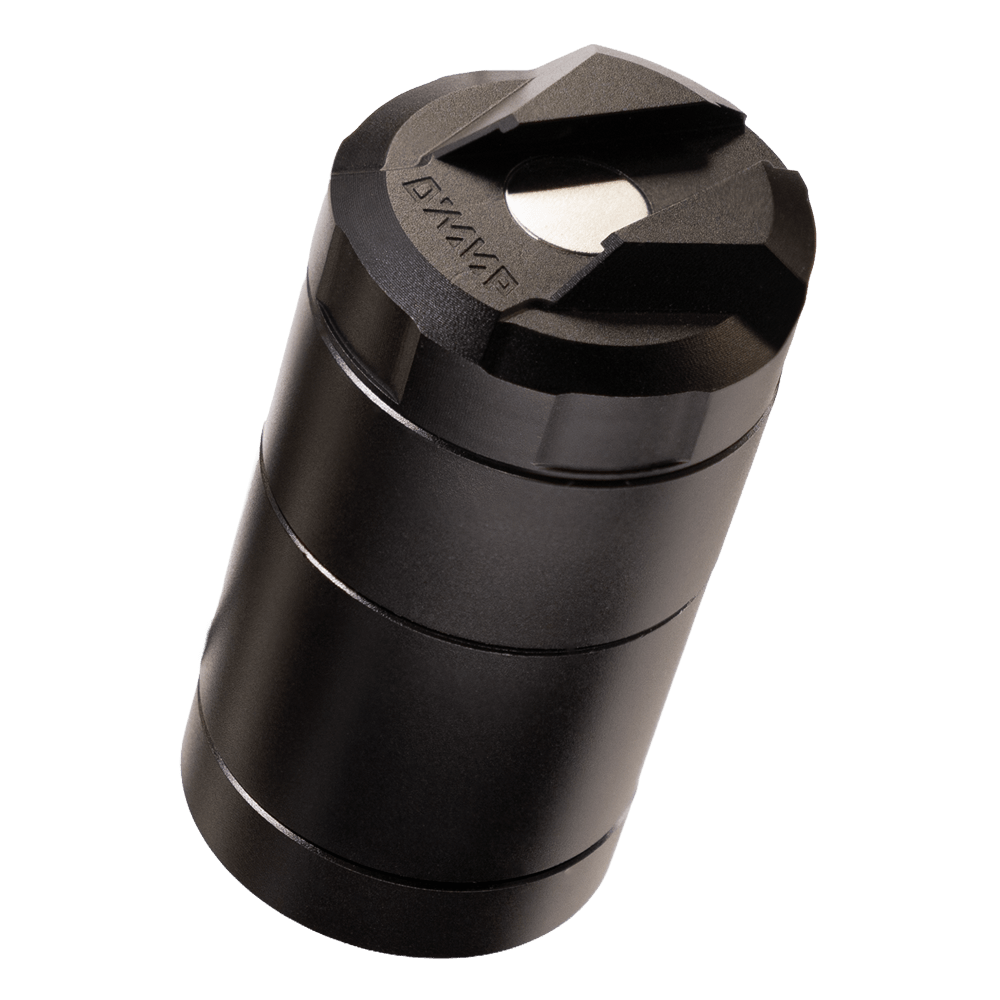
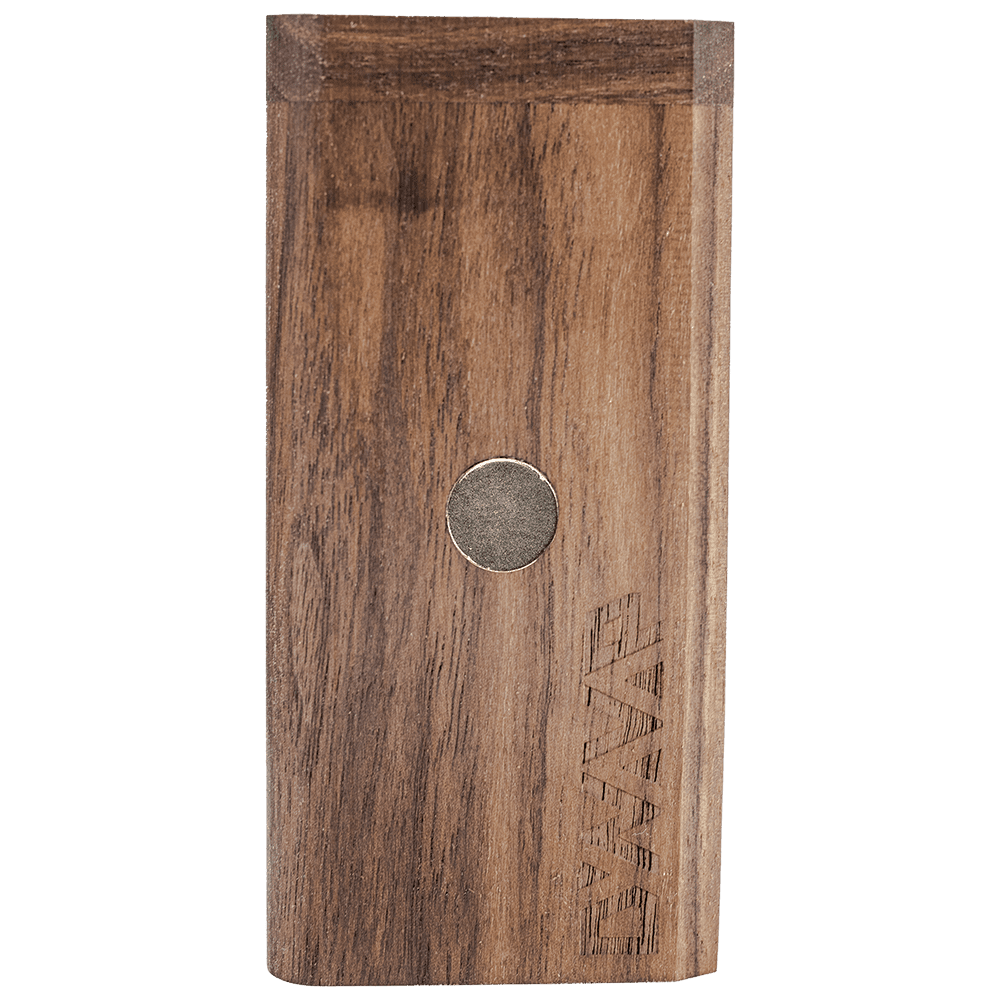
If you want to keep your herb fresh on the go, the DynaStash: Walnut is a solid choice for the M 7 and VonG (i). For a complete setup with storage and tools built in, the DynaBank keeps everything organised in one place.
Frequently Asked Questions
How can I make my dry herb last longer?
The biggest gains come from storing herb sealed, cool and away from light, grinding only what you need for a session, and keeping the chamber clean so less material is wasted. Store herb in an airtight container such as a sealed compartment in a storage case, and avoid leaving it in a warm pocket or near a window. Packing the chamber evenly and not overfilling it can also help each session use less herb.
How much herb should I put in a vaporiser?
A regular-size tip on most DynaVap devices is designed for a 0.1g range, so start with about that amount and adjust from there. Loading more than the chamber can hold tends to waste material without improving the session. Pack the herb loosely enough for air to pass through.
Can I reuse dry herb after vaping?
Herb that has already been vaped, often called already-vaped bud or AVB, still contains some usable material but has lost much of its aroma and potency. Many people collect it and use it in a later session, mixed with fresh herb, to reduce waste. Store it separately and sealed so it does not pick up odours from your fresh stash.
How often should I clean a dry herb vaporiser?
Give the device a quick brush after each session to clear loose residue from the chamber and airpath. For a deeper clean, wipe the cap and removable parts down with a dry cloth or a lightly dampened wipe, and avoid soaking the cap. A periodic check every few weeks can help you spot residue build-up early.