Last Updated: October 24, 2026
Quick Summary
To handle nicotine cravings in the first week, ride out each urge instead of fighting it: a single craving peaks within a few minutes and fades within 5 to 10 minutes. Use the four Ds when an urge lands: delay for five minutes, drink a glass of water, distract with a short walk, and deep breathe slowly for a minute.
- The first 24 hours are the toughest stretch, with irritability, restlessness and a foggy head.
- By day three, urges start to space out and the gaps between them grow.
- On day five, write down your triggers and note one swap you will try for each.
- Movement like a brisk walk or a few minutes of stretching takes the top off an urge.
- After a lapse, note the trigger, get back on plan the same day, and adjust your trigger swap.
Table of Contents
- Why the First Week of Nicotine Cravings Feels So Hard
- How Long Nicotine Cravings Last, Hour by Hour
- A Day-by-Day Plan for Your First Seven Days
- How to Ease Nicotine Withdrawal Without White-Knuckling It
- Spotting Your Smoking Triggers and Cravings Before They Hit
- Nicotine Replacement Therapy for Cravings: What Actually Helps
- What to Do After a Lapse (and When to Get Medical Help)
- Picking Your Kit for the Week Ahead
- Frequently Asked Questions
Why the First Week of Nicotine Cravings Feels So Hard
Nicotine cravings are the intense, short-lived urges to smoke or vape that hit hardest in the first week after you stop.
Here's why that week bites so hard.
Most people quit on willpower alone and white-knuckle every urge. That approach usually fails.
Below, we'll show you exactly how to ride out each day, spot your triggers, and build routines that make the urges weaker.
How Long Nicotine Cravings Last, Hour by Hour
A single craving usually peaks within a few minutes and fades within 5 to 10 minutes. That short window is your friend. You don't have to beat the urge forever, just outlast it.
The first 24 hours are the toughest stretch. Nicotine levels drop, and the urges come thick and fast. Expect irritability, restlessness and a foggy head.
By day three, most people report the urges starting to space out. They still hit, but the gaps between them grow.
By the end of the first week, the physical pull often settles into a background hum.
Knowing the timeline helps you ride out each urge instead of fighting it forever.
| Timeframe | What to expect |
|---|---|
| A single craving | Peaks within a few minutes, fades in 5 to 10 minutes |
| First 24 hours | Toughest stretch; irritability, restlessness, foggy head |
| By day three | Urges start to space out; gaps grow |
| End of first week | Physical pull settles into a background hum |
| After the first week | Psychological triggers take longer to fade |
A Day-by-Day Plan for Your First Seven Days
A day-by-day plan turns a vague promise into small, doable steps. Write yours down the night before. Keep it simple, and tick off each day as you go. Here is a practical shape for the week.
Day 1: Clear the Decks
Bin or store your smoking gear, lighters and ashtrays. Tell one person what you are doing so you have someone to text when an urge hits. Drink more water than usual and eat regular meals, because hunger and tiredness both make cravings feel sharper. Expect the urges to come thick and fast today; that is normal and it passes.
Day 2: Ride the First Full Day
This is often the foggiest day. Keep your schedule light if you can. Use the four Ds when an urge lands:
- Delay for five minutes
- Drink a glass of water
- Distract with a short walk
- Deep breathe slowly for a minute
Go to bed early. Sleep is doing more work than you think.
Day 3: Break the Routine Loops
By now the physical peak is easing for many people. Today, focus on the habits around smoking rather than the nicotine itself. Change where you take your morning coffee, take a different route on your walk, and keep your hands busy with a pen or your device. For the full step-by-step, see how to maintain dry herb vaporizers.
Day 4: Add Movement
A brisk walk, a stretch or a few minutes of gentle exercise takes the top off an urge. Pick one slot in the day, ideally where a smoke break used to sit, and make it your movement slot. Keep it short and repeatable rather than ambitious.
Day 5: Line Up Your Triggers
Spend ten minutes writing down the situations that set off your urges: the first coffee, finishing a meal, getting in the car, stress at work, a pint with friends, boredom in the evening. For each one, note one swap you will try. Knowing a trigger is coming takes the ambush out of it.
Day 6: Lean on People
Reach out to the friend you told on day one, or spend time with someone who supports what you are doing. A short call or a walk with company is often enough to break a craving cycle. If you would rather not talk about quitting, that is fine too; company alone helps.
Day 7: Review and Reset
Look back at your ticks. Note which tactics worked and which felt like a slog. Pick the two or three that helped most and carry them into week two. If you had a slip, treat it as information rather than failure and adjust your trigger swaps. The aim is a plan you can keep, not a perfect week.
How to Ease Nicotine Withdrawal Without White-Knuckling It
Nicotine withdrawal is the set of physical and mood symptoms your body goes through as it adjusts to less nicotine.
The trick is to ease the edges rather than fight them.
Low mood, irritability and poor concentration are common. Warn the people around you.
Keep your hands busy, too. Fiddle with a pen, tidy a drawer, or hold your vaporizer. The ritual matters as much as the nicotine.
Spotting Your Smoking Triggers and Cravings Before They Hit
Smoking triggers are the situations, feelings and routines that set off an urge. Most people have five or six, and they repeat daily. The trick is not just spotting them but pairing each one with a specific swap, so you are not improvising while an urge is climbing.
Start by writing your triggers down for two days. You will spot the pattern fast. Then use this map to plan a swap for each one.
Meals and the After-Food Urge
Finishing a meal is one of the most reliable triggers. Swap it for brushing your teeth, clearing the table straight away, or a short walk around the block. Having a set action ready means the moment passes before the urge builds.
The First Coffee of the Day
Morning coffee and a smoke are tightly linked for many people. Try taking your coffee somewhere new, drinking it standing up, or pairing it with a few minutes of reading or your device. Changing the setting weakens the link.
Stress at Work
Stress urges feel urgent, but they still fade in a few minutes. Keep a short stress kit at your desk: water, a pen to fiddle with, and a two-minute breathing routine. A quick walk to the kettle or around the building works well too.
Driving
Keep your hands and mouth busy in the car. Chew gum, keep a water bottle in the cup holder, or listen to something that holds your attention. Plan your trigger swap before you set off rather than mid-journey.
Alcohol and Social Settings
A pint with friends is a common trigger, partly because alcohol lowers your guard. Try holding your drink in your other hand, swapping to a shorter glass, or stepping outside for a breath of air instead of joining the smoking group. Having a non-smoking friend to stand with helps.
Boredom in the Evening
Evening boredom urges are really habit urges. Have a go-to task ready: tidy a drawer, stretch, or spend a few minutes with your vaporizer. The ritual matters as much as the nicotine, so give your hands something to do.
Knowing a trigger is coming takes the ambush out of it. Review your map after a week and adjust any swap that did not stick.
Nicotine Replacement Therapy for Cravings: What Actually Helps
Nicotine replacement therapy, or NRT, delivers a small, steady dose of nicotine to take the edge off withdrawal.
NRT works best when you use enough of it, early. Many people under-dose and then decide it "doesn't work".
The NHS stop smoking guidance is a good starting point for choosing a product and using it safely.
NRT isn't for everyone, and it's worth checking with a pharmacist if you take other medicines or are pregnant.
What to Do After a Lapse (and When to Get Medical Help)
A lapse is one slip, not a failure. The worst thing you can do is turn one cigarette into a full return.
If you slip, do three things:
- Note what triggered it
- Get back on plan the same day
- Adjust your trigger swap so it doesn't catch you again
Most people who quit for good have a few lapses along the way. It's part of the process.
Some symptoms need a professional. Chest pain, severe shortness of breath, or feeling very low for more than a couple of weeks are reasons to speak to a GP. Support is there, so use it.
Picking Your Kit for the Week Ahead
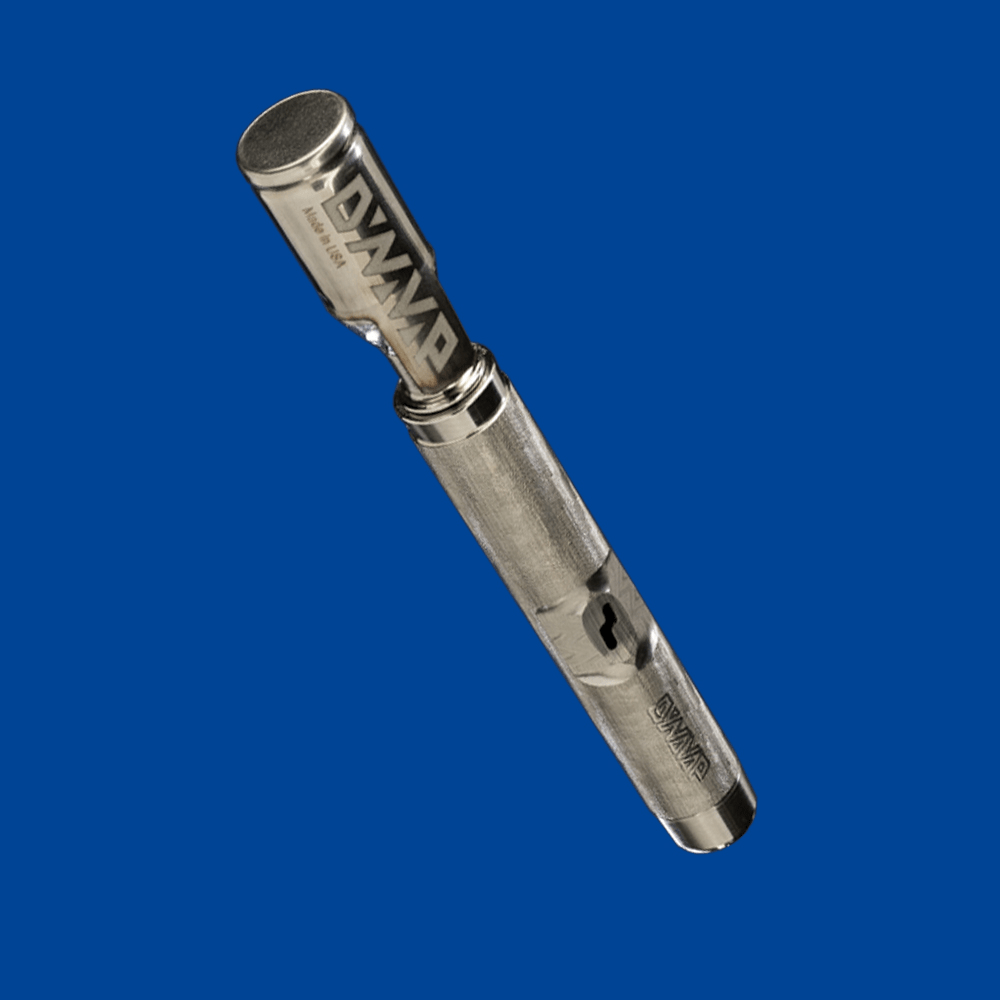
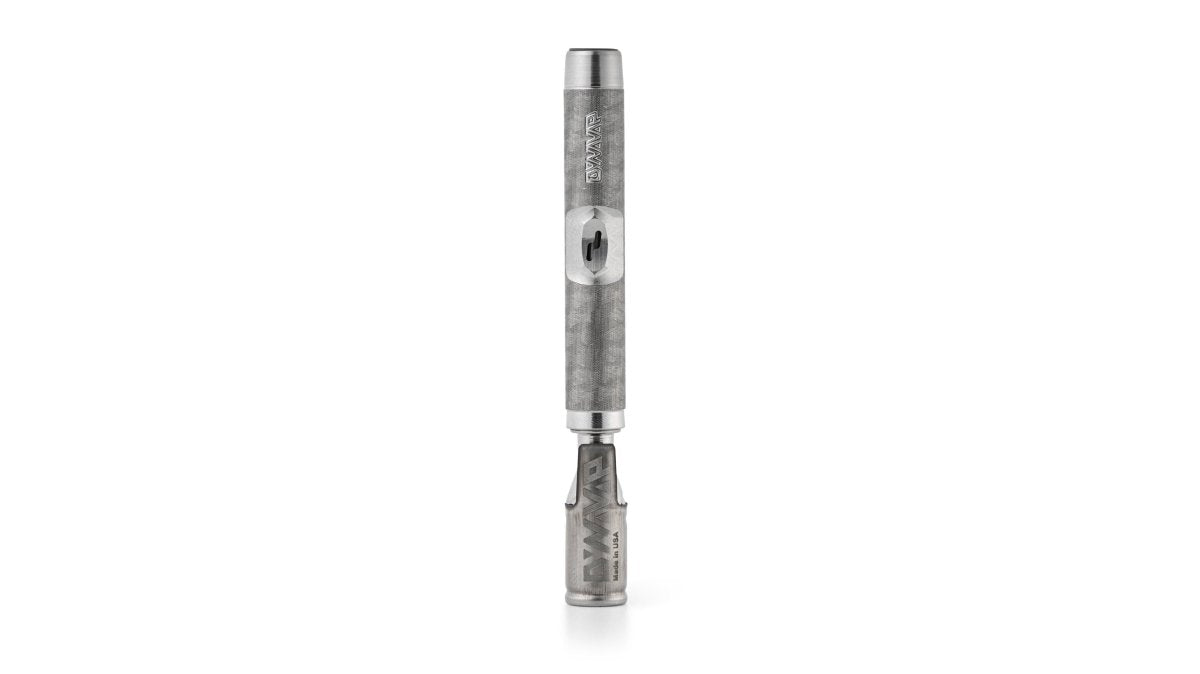
The right kit makes the first week easier. If you're moving away from smoking, a battery-free device gives you the ritual without combustion.
For new customers, we'd point you to the B2 or the M 7 and M 7 XL. The standard Tip on most devices is a regular size, in the 0.1g range. Heating is simple: use a torch or an induction heater, and note that induction heaters do use a battery. You'll hear one click on heat-up and one on cool-down.
If you're coming back to us, the VonG X, WoodWynd and HyperDyn are the ones to look at. Not sure where to start? Read how to use, compare the M 7 vs HyperDyn, or check the M7 vs M7 XL to pick your size.
Frequently Asked Questions
Are nicotine cravings worse during the first few days?
Yes. Nicotine cravings usually peak in the first three days after you stop, then start to ease. The first 24 hours are often the sharpest because your body is adjusting fastest. Each individual urge tends to pass within a few minutes, so the goal is to ride it out rather than fight it. Keep water, a distraction and your support network close by, and plan lighter days where you can.
What should I do when a nicotine craving hits?
Delay, then distract. Give it five minutes before you decide anything, drink a glass of water, and change your surroundings, even just stepping outside or into another room. Slow deep breathing for a minute or two takes the edge off. If you use a DynaVap, a short session can replace the ritual of a cigarette without combustion. The urge usually fades before the five minutes are up.
How can I avoid smoking triggers during the first week?
Write down the times, places and moods that set off your smoking routines, then change one thing about each. Move your coffee to a different chair, take a different route on the school run, and keep your hands busy after meals. Tell friends and family what you are doing so they do not offer you a cigarette. Planning ahead for triggers works far better than relying on willpower in the moment.
Does nicotine replacement therapy help with cravings?
Nicotine replacement therapy for cravings comes as gum, lozenges, patches, inhalators and nasal sprays, and it can take the sharpest edge off withdrawal symptoms. Patches give a steady background dose while faster-acting forms handle sudden urges. Speak to a pharmacist or your GP about which option suits you, especially if you have other conditions or take regular medication. Combine it with trigger planning for the best results.
The first week is the hardest, and it's where most people give up. A clear plan, the right tools and a bit of patience change that. DynaVap builds battery-free vaporizers with a click-based heat indicator, a modular design and durable construction, backed by a 90-day money-back guarantee. Get started with DynaVap and make the switch one calm session at a time.