
Last Updated: October 23, 2026
Quick Summary
Titanium is not automatically safer than stainless steel for vaping, so claims that titanium safer performance is guaranteed do not hold up. Both metals form stable oxide layers and are well established in food and medical applications. Grade and machining quality matter far more than the metal name.
- Only the tip, screen and cap contact your herb; the stem and body are handling surfaces.
- Our titanium tips are machined from medical-grade titanium, and steel tips use a grade chosen for heat retention.
- Titanium heats and cools fast for bright flavour, while steel holds heat for fuller extractions.
- New users should start with the forgiving M 7 stainless steel tip before upgrading to titanium.
- Never soak the cap; wipe it down only to protect the click discs.
Table of Contents
- Titanium vs Stainless Steel Vaporizer: The Short Answer
- Dry Herb Vaporizer Materials: What Actually Touches Your Material
- Is Titanium Safer Than Stainless Steel? What the Evidence Says
- DynaVap Titanium vs Stainless Steel: Weight, Heat and Durability
- Pros and Cons of Each Material for Your Setup
- How to Clean a Titanium Vaporizer Tip (and a Steel One)
- Frequently Asked Questions
Titanium vs Stainless Steel Vaporizer: The Short Answer
Titanium is not automatically safer than stainless steel for vaping, and any guide that tells you otherwise is guessing. Both metals are well established in dry herb vaporizer construction, both are used in medical and food-grade applications, and the real safety question is not which metal sounds more exotic but how the device is built, how it is heated, and whether it is cleaned properly. At DynaVap, we machine tips from both materials and sell both, so we have no reason to pretend one is dangerous.
How the Two Metals Compare at a Glance
Titanium is a lightweight, corrosion-resistant metal that heats and cools quickly, which is why it appears in aerospace and medical implants. Stainless steel is a denser iron-chromium alloy that holds heat longer and resists scratching, which is why it dominates kitchen and hardware applications.
| Feature | Titanium | Stainless Steel |
|---|---|---|
| Weight | Noticeably lighter | Heavier, more planted |
| Heat-up speed | Fast | Slower |
| Heat retention | Lower | Higher |
| Scratch resistance | Good with a treated finish | Very good |
| Cost | Higher | Lower |
| Best for | Flavour chasers, quick sessions | Bigger hits, heat control |
Neither column contains a safety warning. That is the point.
Dry Herb Vaporizer Materials: What Actually Touches Your Material
Only a small set of components ever contact your herb: the tip and its chamber, the screen, and the cap above it. The stem and body are handling surfaces. This matters because arguments about dry herb vaporizer materials often blur the line between "what you hold" and "what gets heated."
In a DynaVap device, the tip is the chamber. The cap sits over it and clicks when it reaches heat, and the screen, which we call a CCD, sits at the base of the bowl. Those three parts are the entire conversation. Everything else is ergonomics.
Material Grades and Alloys in Practice
Grades matter more than metal names. Our titanium tips are precision-machined from medical-grade titanium, while our stainless steel tips use a grade chosen for heat retention and durability. A cheap unbranded "titanium" tip from an unknown workshop tells you nothing about its alloy or machining quality, and that is a far bigger variable than the titanium-versus-steel question itself. Ask what grade a part is made from before you ask which metal is safer.
Is Titanium Safer Than Stainless Steel? What the Evidence Says
There is no credible body of evidence showing that titanium is safer than stainless steel in a dry herb vaporizer. Both metals form a stable surface oxide layer that protects the metal beneath, and both have long histories of use in food and medical equipment. The honest answer is that the available research on heated device materials is limited and largely general, so anyone quoting a firm verdict is filling a gap with marketing.
Oxide Layers, Grades and What Actually Matters
Every heated metal develops an oxide layer, and the useful question is whether that layer stays put. Titanium oxide is stable and adheres tightly to the surface. Stainless steel's chromium-rich oxide layer is also stable and self-repairing.
Grades matter more than metal names. Our titanium tips are precision-machined from medical-grade titanium, while our stainless steel tips use a grade chosen for heat retention and durability. A cheap unbranded "titanium" tip from an unknown workshop tells you nothing about its alloy or machining quality, and that is a far bigger variable than the titanium-versus-steel question itself.
Overheating, Dry Hits and Device Compatibility
The bigger risk in practice is overheating. Push any metal far past its intended operating range and you are no longer discussing material science, you are just scorching your herb. That is why we rely on a click rather than a temperature dial: one click on heat-up, one click on cool-down, and you stop. It removes the guesswork that causes most dry hits.
Device compatibility matters too. If you use a torch, keep the flame moving and respect the click. If you use an induction heater, note that it does use a battery, so follow the maker's guidance on charge and session length.
What the Research Can and Cannot Tell You
Most published work on heated metals comes from welding, cookware or industrial contexts, not from dry herb devices. That means we can say with confidence that titanium and stainless steel are well established in food and medical applications, but we cannot point to a study that ranks one above the other for vaping. Treat forum claims of a clear winner with caution, and treat manufacturer documentation on grade and machining as the more useful signal. If a device maker cannot tell you what alloy a part uses, that is a bigger warning sign than the metal name on the box.
DynaVap Titanium vs Stainless Steel: Weight, Heat and Durability
The practical difference between our titanium and stainless steel tips comes down to mass and how that mass behaves. Titanium heats fast and sheds heat fast, so sessions feel responsive and flavour stays bright.
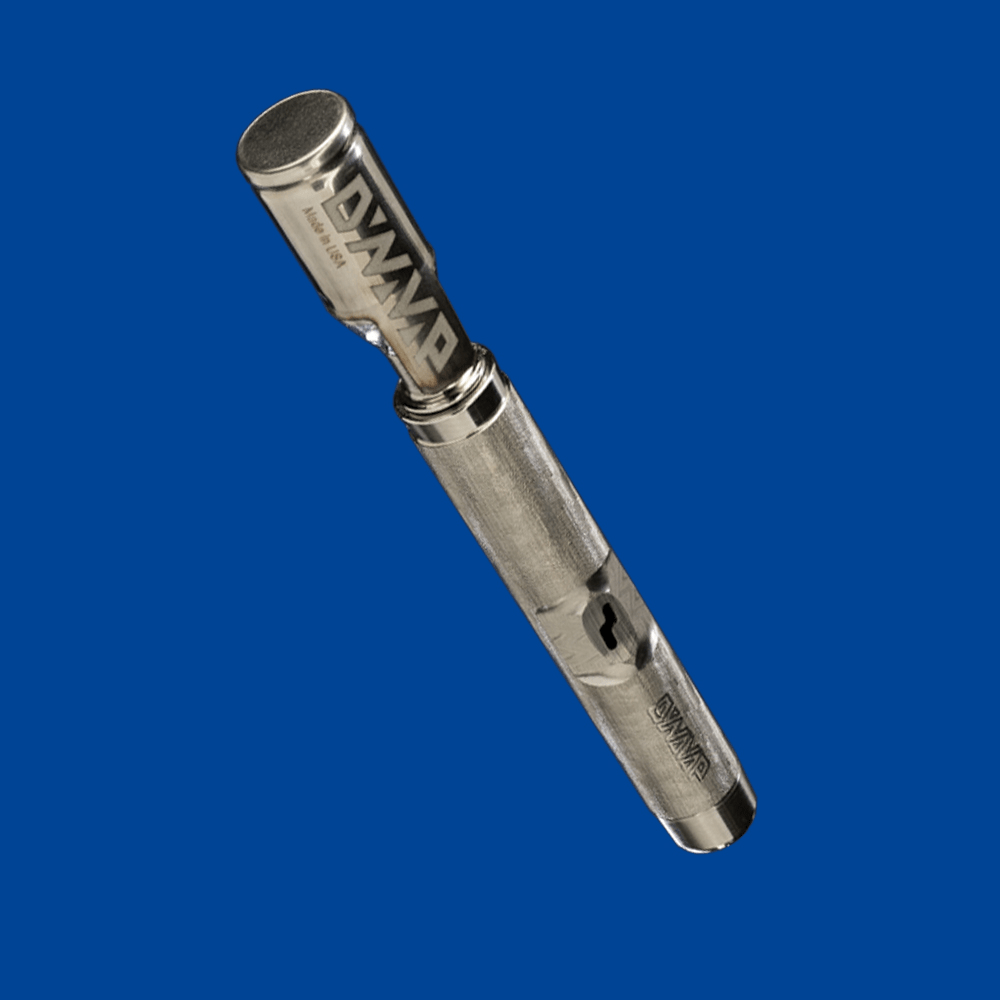
- Titanium (5-Fin Titanium Tip, £43): five fins for heat distribution, three helical channels for airflow, Adjust-a-Bowl for micro-dosing, and a DuraDyn finish that resists scratches. The Helix Titanium Tip (£67) goes further with a triple-helix design and thicker chamber walls to reduce hot spots.
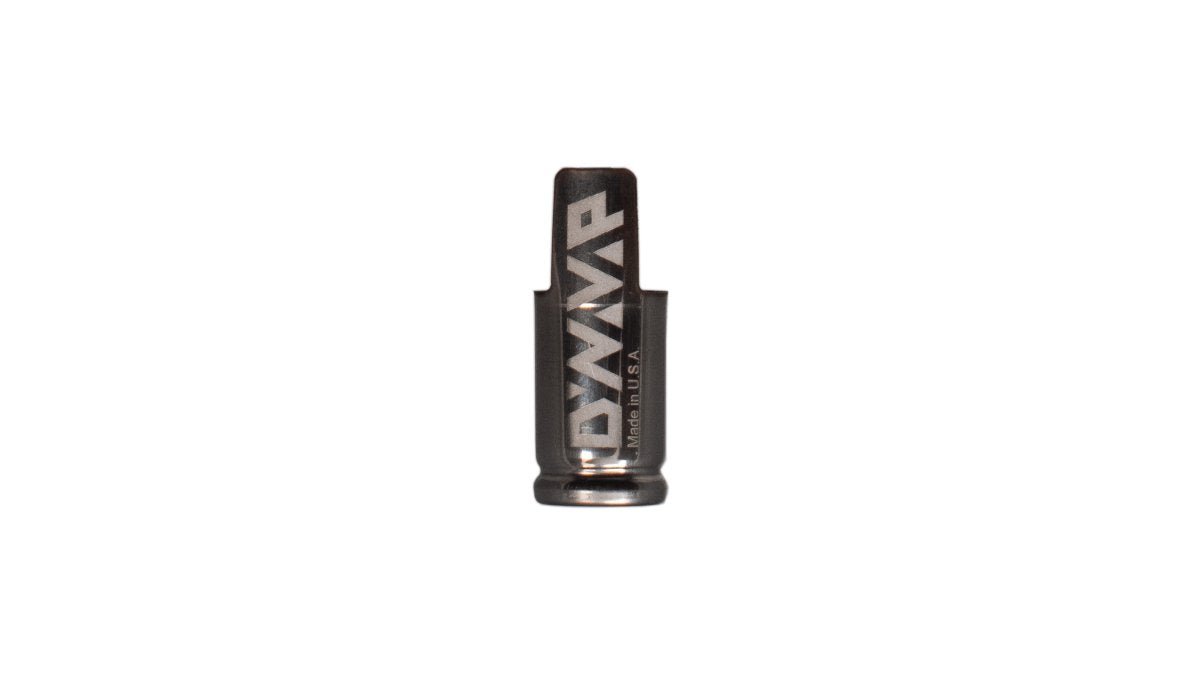
- Stainless steel (M 7 Stainless Steel Tip, £34): a chamber with more mass for heat retention, a finless design that keeps fingers cooler, and even extraction that helps prevent scorching.
Durability is close to a draw. If you want to see the titanium option up close, the 5-Fin Titanium Tip is the natural starting point, and the M 7 stainless steel tip shows the steel alternative side by side.


Pros and Cons of Each Material for Your Setup
Titanium pros: light, fast to heat, quick to cool, excellent flavour clarity, comfortable during long sessions. Titanium cons: costs more, and the fast cool-down means less residual heat for a second draw.
Stainless steel pros: cheaper, holds heat for fuller extractions, tough against scratches, keeps fingers cooler on the finless M 7 design. Steel cons: heavier in the pocket and slower to respond.
Matching the Metal to How You Actually Use It
If you tend to sip slowly and chase flavour, titanium's quick response suits you. If you prefer a fuller, slower extraction and do not mind a bit more weight, steel gives you more margin. Neither choice is unsafe; the difference is in how the device feels in your hand and how forgiving it is when your timing slips.
Grade and documentation matter more than the metal name. A well-machined tip from a maker who tells you the alloy will outperform a mystery-metal bargain every time. When you compare any device to a DynaVap, ask whether the maker documents the grade, whether the cap uses a click, and whether replacement parts are available.
Picking a Starting Point
Our take: if you are new to battery-free devices, start with steel. The M 7 tip is forgiving, affordable, and teaches you the click rhythm without punishing impatience. If you already own a DynaVap and want a lighter, more flavour-forward upgrade, titanium is the better buy. Returning customers often pair a titanium tip with a WoodWynd. When you are ready to weigh the full range, you can browse the vaporizer lineup and match a tip to your stem.
A Quick Word on Cleaning and Longevity
Whichever metal you choose, the cap is the part to baby: never soak it. Wipe it down only, because the cap contains the click discs that make the whole system work. A light clean keeps airflow open and protects the click. That single habit does more for longevity than the metal choice itself.
How to Clean a Titanium Vaporizer Tip (and a Steel One)
Cleaning is identical for both metals, and it is where most people accidentally shorten the life of their device. The tip and CCD can be wiped and brushed, and a light clean keeps airflow open. The cap is the part to baby: never soak it.
- Let the device cool completely before disassembly
- Remove the CCD and brush out loose material
- Wipe the tip and chamber with a cloth or cotton bud
- Wipe the cap down, never soak it
- Reassemble and check airflow before your next session
For a fuller walkthrough, our step-by-step cleaning guide covers the whole device, and if you want to know how to look after the cap specifically, read how to clean a vaporizer cap without water. Replacement screens are cheap insurance: a titanium CCD three-pack is £12 and a stainless steel three-pack is £8.

The real challenge is not picking a metal, it is building a routine you will keep: respect the click, clean the cap with a wipe rather than a soak, and replace your screen before airflow suffers. That is where DynaVap helps.
Frequently Asked Questions
Is titanium safer than stainless steel for vaping?
Neither material is inherently unsafe when used as intended in a dry herb vaporizer. Titanium is lighter and heats and cools faster, while stainless steel holds heat longer. The bigger factors are how you heat the device and whether you avoid overheating. With a DynaVap, the click tells you when to stop heating, which keeps things consistent.
Is stainless steel safe for vaporizer parts?
Yes, stainless steel is widely used in vaporizer tips and screens because it resists corrosion and handles repeated heating well. The M 7 Stainless Steel Tip is built with more mass for heat retention and even extraction. Clean it with a wipe down and avoid soaking the Cap, and it will stay in good condition for years of regular use.
Does titanium heat up faster than stainless steel?
Titanium tips generally heat and cool more quickly because they have less mass. The Helix Titanium Tip weighs just over 3 grams, so it responds fast to your torch or induction heater. Stainless steel, like the M 7 Tip, holds heat longer, which suits users who want a slower, more controlled session with bigger rips.
How can I tell what material my vaporizer parts are made from?
Check the product listing or the part itself. DynaVap names its tips clearly: the 5-Fin Titanium Tip and Helix Titanium Tip are titanium, while the M 7 Tip is stainless steel. Weight is another clue, as titanium feels noticeably lighter in the hand. If you are unsure, the product page will always state the material.
Which is more durable for a dry herb vaporizer, titanium or stainless steel?
Both are durable, but they wear differently. Titanium tips like the Helix come with a DuraDyn finish that resists scratches, while stainless steel is heavier and holds up well to repeated heating. For everyday use, either material will last, and replacing a CCD screen costs £8 to £12 depending on the material you choose.